Blog
The facial nerve (nervus facialis) is the seventh cranial nerve (VII) and performs several functions. It acts as a motor nerve for the facial mimic muscles and thus determines your facial expression. Its branch to the tongue is responsible for taste (the anterior one third of the tongue). It also contributes to tear and saliva production. Facial nerve palsy heals slowly and can take up to a year. Although the first 5–10 treatments are usually given in a clinic, that is not enough! You must continue electrotherapy at home until full recovery.
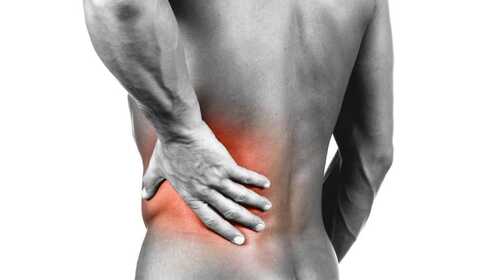
Lumbago, also known as a pinched nerve, is the term for sudden pain in the lower back. It typically occurs with a "wrong move." Lifting a piece of furniture or a heavy weight can trigger it with lightning-like suddenness. Afterwards it can be so strong and stabbing for a longer or shorter time that it hardly lets you move. You curl up in the fetal position, knees drawn up, trying to get rid of it. Getting up or standing upright also becomes very difficult […]
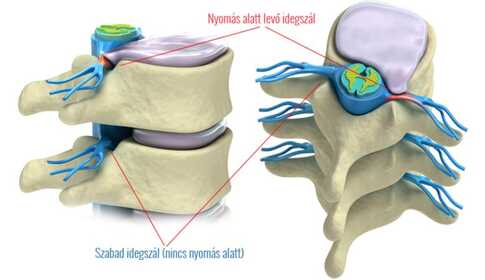
Your spine is built from separate “bricks,” the vertebrae. The gap between them is filled by a flexible material, the intervertebral disc. This prevents the vertebrae from coming into direct contact with each other. The spine’s stability is provided by ligaments and numerous muscles. If your spinal-supporting muscles are strong, they hold the vertebrae and only a load that does not damage the disc reaches it. If you carry too much load or your muscles are weak, excessive stress falls on the disc. If it deforms, it causes complaints of varying severity. Many people are affected by a herniated disc, but surgery is not necessary for everyone. Those affected often do not really know what they should or can do to avert the looming shadow of pain, paralysis and surgery. This article is for them.
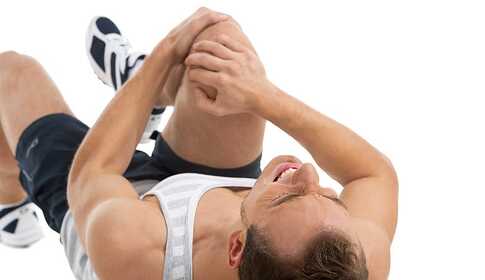
An anterior cruciate ligament (ACL) rupture is one of the most common injuries among athletes. For them, proper rehabilitation is particularly important so they can return to competition as soon as possible (without an increased risk of re-injury). For non-athletes, rehabilitation is important to preserve muscle strength and to rebuild muscles so the knee can be fully functional as quickly as possible.

According to a survey, only about 15% of the Hungarian population exercises at least once a month, and far fewer do so regularly (3–4 times a week). The result is obvious: 66% of the adult population is overweight or obese, and 45% suffer from one or more chronic illnesses. We are among the top consumers of medications in Europe. By age 50 a significant portion of Hungarians lose their health and can no longer perform competitively in the labor market, losing their jobs and income. Their financial situation inevitably deteriorates. A vicious circle... health is lost, although health is what you need to create proper living conditions for yourself. Despite the severe situation, there is a great silence around promoting a healthy lifestyle. Yet this would be the key…
Viruses occur in large numbers in nature. Although there is no need to panic, no virus should be underestimated. It's worth understanding how it spreads and makes you ill. Because if you know this, you can do a lot to avoid and prevent infection. And if it still "gets" you, it is less likely to make you seriously ill than if it caught you unprepared.

Depression pushes you down into a dejected state. You increasingly lose faith that there is hope on the horizon. In despair you lose interest in your work, your surroundings, and even in your friends and family. You cannot find a way out of the low mood and you cannot muster the drive to solve problems. Depression is an illness in which certain processes in your brain become disturbed. The problems themselves could mostly be dealt with, yet you are unable to cope with them. You need help and treatment.
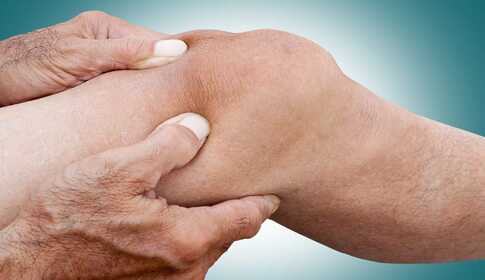
The knee is the body's largest and one of its most complex joints — and the one exposed to the heaviest loads: while walking on level ground, one and a half times your body weight, and when walking downstairs, three to four times your body weight is placed on it with every step. No wonder knee pain is one of the most common joint complaints in every age group — from teenage athletes to eighty-year-old grandmothers, although for entirely different reasons.

This piece was inspired by a reaction to one of my Facebook posts. I recommended a device to eliminate incontinence, and a lady angrily remarked: “It costs 35,000! Good thing you can buy them!”. But is she right? Is that really expensive? Let’s look around.

On the Hungarian market there are several dozen TENS devices available, ranging from simple units costing a few thousand forints to professional models costing several hundred thousand. If you're buying for the first time, the choice doesn't need to be complicated: consider six main points and match the device to your complaint.
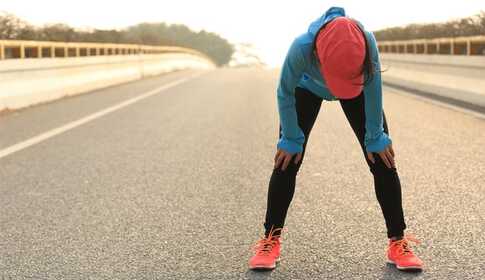
Do you feel pain deep in your buttock muscles, sometimes radiating into your thigh or leg? In that case everyone suspects a slipped disc or sciatica — but there is a third, often unrecognised possibility: piriformis syndrome. In this case the problem is not in your spine, but deep in the buttock.