
Blog

The BMI calculator is a simple tool that lets you calculate your body mass index (BMI). This number helps determine whether your weight is in an appropriate proportion to your height. The concept of the body mass index is attributed to the Belgian mathematician Adolphe Quetelet, who developed this measure in the 1830s. It was originally developed for population-level studies to assess the prevalence of obesity in larger groups.

An inguinal hernia develops when part of the abdominal organs, most often the intestines or a portion of the omentum, protrudes through the inguinal canal. The inguinal canal is located in the lower, lateral part of the abdomen. The hernia gate is the opening through which the hernia contents protrude. This usually occurs congenitally or with increasing age, or as a result of physical strain. Inguinal hernia symptoms and […]

Fibromyalgia is a chronic pain condition: widespread muscle and connective-tissue pain lasting for months, accompanied by profound fatigue, sleep disturbances and difficulty thinking. The vast majority of those affected are women, and most take a long journey before their condition is given a name – because blood tests and X-rays repeatedly come back “negative”, while people around them tend to dismiss it: “you’re just tired”.
When a health problem arises, your complaints are addressed and your recovery is supported within a complex but well-organized system called the healthcare delivery chain. This system consists of interconnected levels that each play a different role. If you understand how it works, you can navigate the healthcare system more effectively and receive the care best suited to your condition. Acute care institution. The medical […]

Carpal tunnel syndrome is a common musculoskeletal condition today that can significantly affect daily life and work. It occurs because the nerve running through an anatomical tunnel in the wrist becomes compressed. The so-called carpal tunnel houses the median nerve (nervus medianus), bordered by muscles, ligaments and bones. When inflammation or swelling develops in this tight space, the nerve is compressed, causing various symptoms in the affected areas.

Stores carry a huge variety of different blood pressure monitors, both upper-arm and wrist types. Wrist monitors are typically smaller and cheaper, which tempts you to buy them. Immediately the question arises: am I doing the right thing?

When we talk about pain, it's important to use the right words. In medical jargon you often see the term “chronic,” but that can be misleading. “Chronic” may imply that your pain will last forever, which usually isn't the case. Even healthcare professionals don't always agree on its precise meaning – is pain chronic after three months? Or does it require six months? For this reason it's better to use the terms “persistent” or “peristent” (persistent is preferable). These describe your situation more accurately: your pain has been present for a longer time, but that doesn't mean it must remain so forever.

If you have been diagnosed with facioscapulohumeral muscular dystrophy (FSHD), you probably have many questions. In this article you will find almost all the important information about the disease, its symptoms and treatment options. What is FSHD muscular dystrophy? Facioscapulohumeral (FSHD) muscular dystrophy is an inherited muscle disease that primarily affects the muscles of your face, shoulder and upper arm. The disease […]
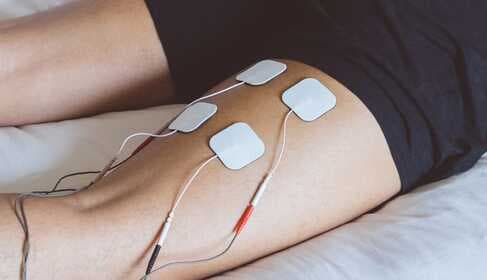
Neuromuscular electrical stimulation (NMES) has earned significant recognition as a valuable therapeutic approach in the rehabilitation of people living with multiple sclerosis (MS). MS is a chronic autoimmune disease characterized by demyelination of nerve fibers in the central nervous system. This literature review provides a detailed examination of NMES, with particular attention to how it works, its physiological effects, its role in rehabilitation, and how it can improve the quality of life for those with MS.
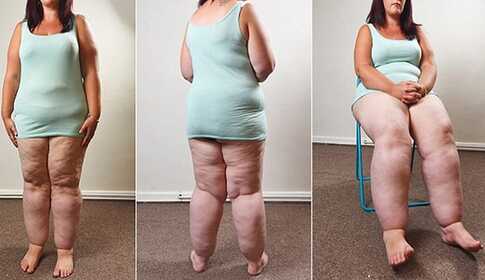
Lipedema — also called fat edema — is the chronic, symmetrical, pathological accumulation of subcutaneous adipose tissue that typically affects the hips, thighs, calves and upper arms. It occurs almost exclusively in women and often begins in connection with hormonal changes (puberty, pregnancy, menopause). The disease often remains “hidden” for a long time because its signs are mistaken for obesity or simple fluid retention — however, the underlying mechanism is entirely different, and its management follows a different logic.

Neuromuscular electrical stimulation (NMES) uses electrical impulses to elicit muscle contractions and is primarily applied in rehabilitation settings to improve motor function, prevent muscle atrophy, and enhance overall physical performance. NMES activates muscles either directly at motor neurons or indirectly via the nerves supplying the muscle groups. This technique has gained ground in many clinical applications, especially in the rehabilitation of patients recovering from stroke, chronic obstructive pulmonary disease (COPD), and other neuromuscular disorders.

