
Blog
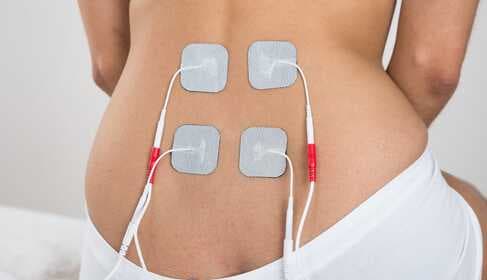
Muscle stimulation is now a widely known and used method in medicine, rehabilitation and sport. By applying electrical impulses, muscles can be induced to contract, which improves tone, increases endurance, and aids recovery after injuries. Most people know EMS/NMES technology as muscle stimulation and it is the most common in everyday practice; however, there is an older form of muscle stimulation that has been proven more effective in developing muscle strength: Kotz stimulation, also known as Russian stimulation.
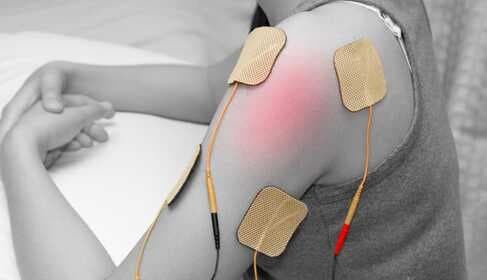
Interferential therapy (Interferential Current Therapy, IFC) is an advanced form of electrotherapy that stimulates deep-lying tissues by combining two currents of different frequencies. This medium-frequency current (typically 4 kHz) encounters less skin resistance, allowing deeper penetration — making it particularly suitable for treating skeletal muscles and joint complaints where the pain source lies deep beneath the skin.

In recent years social media and online marketplaces have been flooded with extremely cheap “medical” and “cosmetic” devices. Their ads promise wonderful effects: skin tightening, wrinkle reduction, muscle building, pain relief – often all from a single device, and sometimes for just a few thousand forints. A lay buyer may reasonably think: “If the expensive clinical machines work on a similar principle, why wouldn’t this cheap version work too?” The reality, however, is quite different.
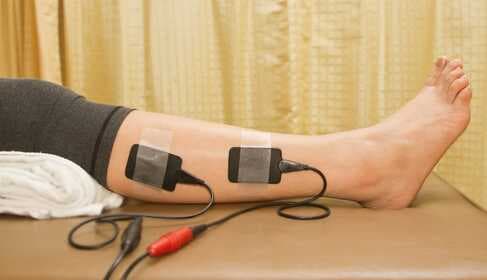
Peroneal nerve palsy can result from damage to either the central or peripheral nervous system, although peripheral causes are more common. The condition mainly affects the common peroneal nerve, which branches off the sciatic nerve and runs around the fibular head, making it particularly vulnerable because of its superficial position and anatomical course.
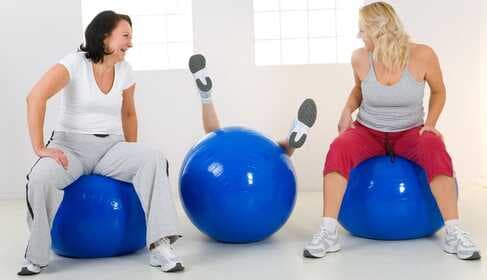
Pelvic floor exercises — also called pelvic floor training, perineal exercises or Kegel exercises — are a specialized exercise system developed to specifically train the pelvic floor muscles and preserve their elasticity.
These muscles hold the pelvic organs (bladder, uterus, rectum) in place and play an important role in urination, defecation and sexual function. Imagine them as a hammock that stretches from the pubic bone to the tailbone and supports your internal organs. When these muscles weaken or become injured, various problems can occur — many of which can be helped by pelvic floor exercises.
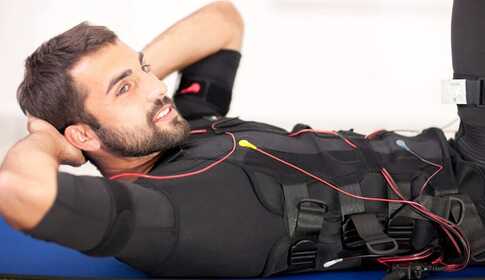
There are two main technical approaches to electrical muscle stimulation: whole-body stimulation (WB-EMS, Whole-Body Electromyostimulation) and targeted neuromuscular electrical stimulation (NMES or EMS). They apply the same biophysical principle – a biphasic square-wave electrical pulse – in two different ways, with different positioning, cost structures and safety profiles. In this article, I summarise the practical differences between the two methods in light of recent clinical evidence from 2020 onwards.

Prostate surgery is most often performed to treat prostate cancer or benign prostate enlargement (BPH). The term prostatectomy means the complete surgical removal of the prostate. The procedure may cause various complications, which can be divided into acute (short-term) and long-term complications.
Let’s look at what you can expect — and what treatment options are available.
Imagine your life changing overnight. After an unexpected illness or accident you end up in hospital, where doctors do everything to save your life. However, after acute care you often face the situation of being left on your own on the road to further recovery. Unfortunately, this is not an isolated case in Hungary but a systemic problem that severely affects thousands of patients.
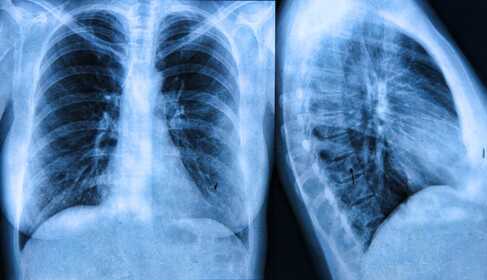
If you see a doctor or go to emergency care for chest pain, trauma or shortness of breath, a chest X‑ray is usually taken (often along with other tests such as an ECG). X‑ray is an imaging method that is typically one of the first diagnostic tests used to clarify diseases affecting the chest. I wrote about why it is done and what can be seen on it.
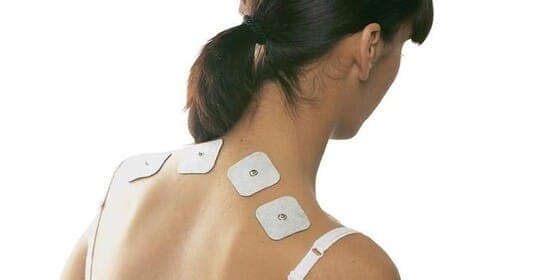
Joint pain and inflammation are among the most common complaints affecting adults. Alongside conventional treatment (NSAIDs, physiotherapy, exercise programmes and, in more severe cases, surgery), electrotherapy – including microcurrent therapy (MENS) – is appearing in an increasing number of recent studies as an adjunctive modality. This article summarises what clinical evidence published since 2020 says about using microcurrent for joint problems – and also what it does not say.

A muscle strain is an injury that occurs when your muscles are overstretched or overloaded. This condition is accompanied by pain, swelling and a limited range of motion, something anyone who leads an active lifestyle will encounter a few times. It can vary in severity from a mild strain (merely a few torn muscle fibers) to a complete muscle rupture.

