
Blog
The B-Cure softlaser is one of the simplest and safest devices to use. This is due to its careful design and workmanship. I will show you how to use the B-Cure Laser for treating various complaints.
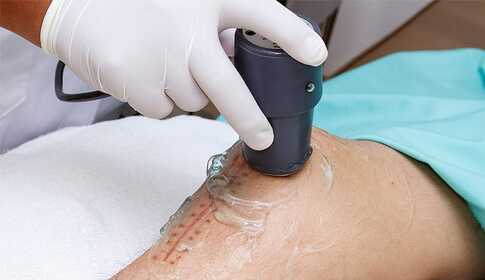
The effectiveness of an ultrasound treatment depends greatly on correct settings. Too low an intensity will not produce results, while too high can worsen your symptoms. In this article I'll show you how to choose the right parameters.
This article is a supplementary chapter to the Comprehensive Guide to Therapeutic Ultrasound Treatment.
Learn everything about sweating (also known as perspiration)! Here you will find the most common questions and answers that may be important to know about abnormal sweating.
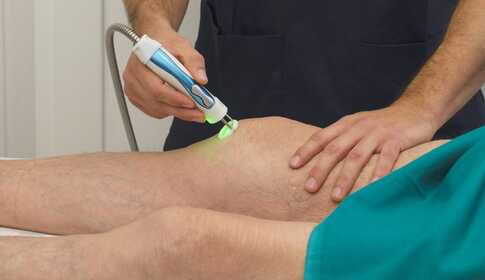
Joint inflammation, or arthritis, is one of the most common musculoskeletal conditions. If it affects you, you know how agonizing the pain, stiffness and swelling can be. Anti-inflammatory drugs can help, but long-term use may come with side effects. What if there were a side-effect-free method you could use at home to support your recovery? Soft laser therapy – also known as photobiomodulation – may offer exactly that.
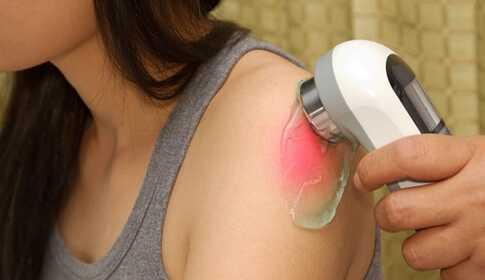
Have you been experiencing long-term pain in your joints or muscles? Tired of taking medications and endless clinic visits? There is a method used for decades in physiotherapy — and now you can use it at home: therapeutic ultrasound treatment.
This article explains everything you need to know about this natural, drug-free pain relief method. You will understand how it works, what it’s for, what results to expect — and learn how to use your home device correctly.
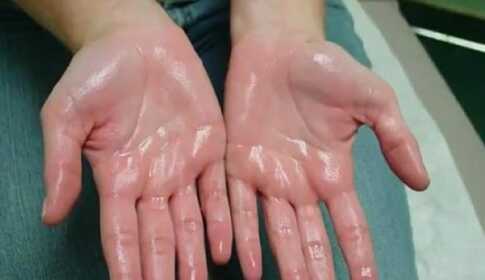
You’ve probably experienced how embarrassing it feels when you shake someone’s hand and your palm is soaking wet. Or when your shirt becomes wet under the arms during an important meeting, even though you haven’t been moving. Perhaps your foot slips out of your slipper because the sole is wet. If this sounds familiar, you have hyperhidrosis – excessive sweating – and you’re not alone. Around 2–3% of adults live with this condition.
The good news is that an effective solution is now available for home use: tap water iontophoresis. In this guide, you’ll learn everything about this treatment – how it works, what scientific evidence supports it, how it compares with other treatment methods, and how you can start using it at home.
You’ll find a detailed clinical introduction to the method, its mechanism of action and the latest evidence from 2020 onwards in the comprehensive guide to iontophoresis treatment.
Ultrasound is a high-frequency sound wave. It cannot be perceived by the human ear, so it is inaudible. Ultrasound therapy is a method used both in medicine and in beauty care. Sound is a mechanical vibration, so treatment with it is a form of mechanotherapy.
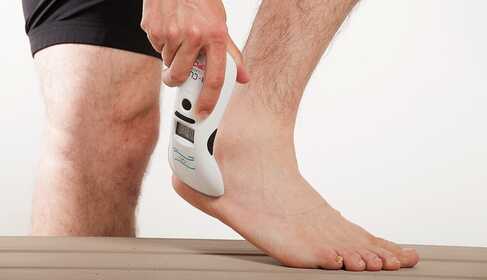
You get out of bed in the morning, and as soon as you put your foot on the floor, a sharp, stabbing pain shoots into your heel. It feels like stepping on a pin cushion. After a few steps it eases a little, but it returns again and again during the day. If this sounds familiar, you likely have plantar fasciitis or a heel spur — and low-level laser therapy can help.
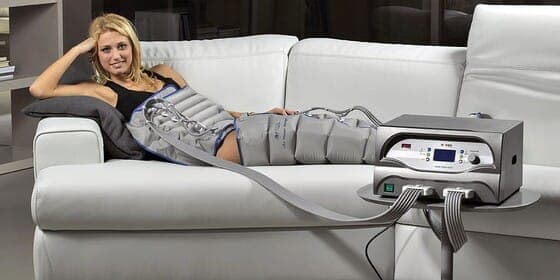
You may have read about lymphatic massage machines in several of my articles. Perhaps you are now wondering whether one could help you, too. But there is a huge range to choose from, and it is not always clear what to look for, how to choose, or which accessories are needed for a complete machine. In this article, I will give you practical guidance and help you find your way.
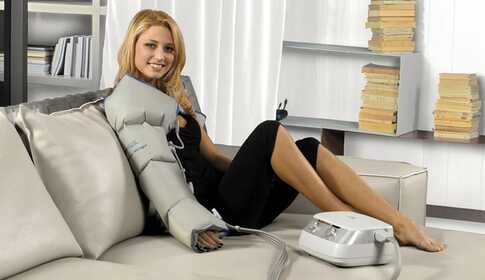
Lymphatic drainage — also called lymphatic massage or lymph drainage — is a targeted, gentle, superficial manipulation technique that directs interstitial fluid and proteins toward the lymphatic pathways, helping reduce lymph stasis. It exists in two main forms: manual lymphatic drainage performed by a trained professional, and device-based lymphatic massage (pneumatic compression, IPC) that can be used at home at the patient’s own pace.
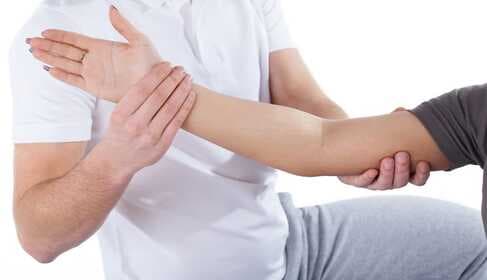
If you live with spasticity, you know how frustrating it feels when your muscles simply won’t obey. They tighten, stiffen, and contract spasmodically — as if your own body were turning against you. Walking becomes difficult and everyday movements a challenge. And perhaps worst of all: you may feel helpless and at the mercy of this condition.
However, spasticity is not immutable. Neurorehabilitation has advanced considerably in recent decades, and there are methods that can be applied at home to help reduce muscle tension and regain control of movement. One of these is NMES (neuromuscular electrical stimulation) therapy.

