
 Muscle atrophy and regaining muscle strength – targeted stimulation
Muscles are sensitive to use: if they are not loaded for a prolonged period – for example because of surgery, a cast, bed rest or illness – they quickly lose strength and mass. This is muscle atrophy. The good news is that the process can often be slowed, and lost muscle strength can be rebuilt. Alongside movement and physiotherapy, electrical muscle stimulation (EMS) can also provide important support: it triggers muscle contractions from outside to exercise the muscle even when voluntary movement is limited – for example immediately after surgery, when the joint cannot yet be moved.
 When can stimulation help?
EMS is useful in two main situations: (1) for the prevention of atrophy when lack of movement (surgery, immobilisation, illness) poses a risk, and (2) for rebuilding lost muscle strength and mass during recovery. It is important to know that regaining muscle strength is a multifactorial process – EMS produces the most favourable results together with movement therapy, gradually increasing load and appropriate nutrition, not on its own. It is worth discussing its use with your doctor or physiotherapist.
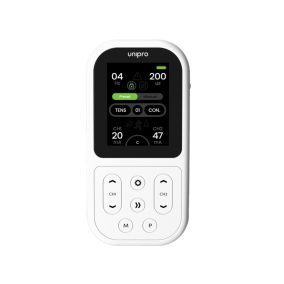
The UniPro is a two-channel, multifunctional electrotherapy device providing TENS, EMS, microcurrent and interferential (IF) treatments.



Premium 400 multifunctional electrotherapy device. TENS / EMS / MCR-MENS / FES / iontophoresis. Specialized programs: running, cross-country skiing, combat sports, tennis, football, cycling. 4 channels, battery operated.
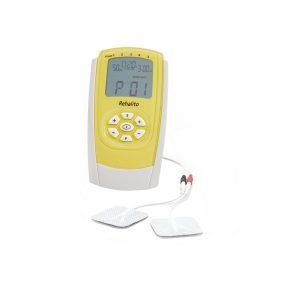
Entry-level muscle stimulator (EMS) device
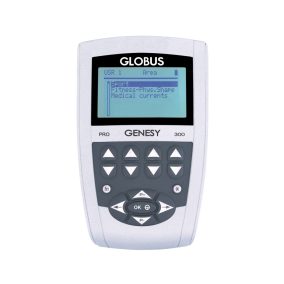


Genesy 300 Pro multifunctional electrotherapy device. TENS / EMS / MCR-MENS / FES / iontophoresis. 4 channels, battery-powered.
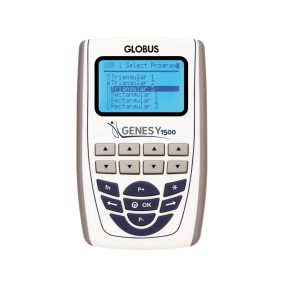


The Globus Genesy 1500 — one device for hundreds of complaints.
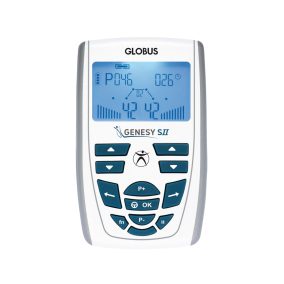


2-channel TENS | EMS | iontophoresis device. 60 types of pain-relief, rehabilitation, iontophoresis and incontinence programs.
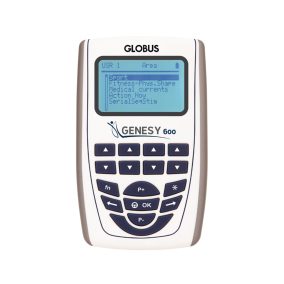


Genesy 600 multifunctional electrotherapy device. TENS / EMS / MCR-MENS / FES / iontophoresis / denervated. 4 channels, battery-powered.
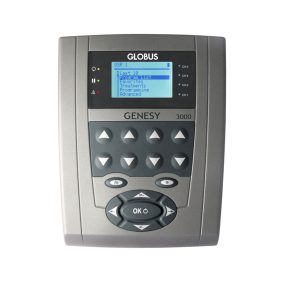


A Globus Genesy 3000 is a single device for hundreds of complaints.
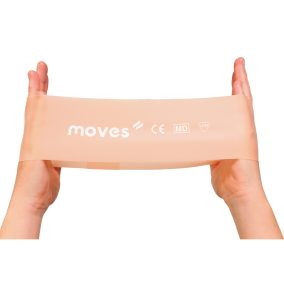


The Moves Wide Loop is a highly practical and versatile 7.5 cm wide elastic band loop that can stretch up to 200%. It’s an ideal choice for muscle strengthening, stretching, and rehabilitation. Small size with multiple resistance levels. Excellent for home or professional use, suitable for athletes and patients alike.
Price includes: 1 beige Moves Loop (30 x 7.5 cm)
 Which device is right?
The right device depends on what is causing the muscle loss and on the condition of the muscle's nerve supply. We have summarised the most common situations below – your doctor or physiotherapist can provide the most help with the specific choice.
If the muscle has an intact nerve supply and has weakened only because of lack of movement (surgery, a cast, bed rest), conventional EMS/NMES is appropriate. If the sole aim is to rebuild muscle strength, a simpler, targeted device such as Rehalito can also be a good starting point. If you would use it for several complaints or different stages of recovery, multifunctional devices such as Myolito, MyoBravo, Genesy 300 Pro and Premium 400 also offer programmes for rebuilding muscle strength and mass, improving circulation and relieving pain. This is a convenient solution because one device can support several stages of recovery – for example immediately after surgery, when the joint cannot yet be moved.
Some illnesses directly damage muscle tissue or the nerves leading to it, causing the muscles to weaken and waste away gradually. In this situation, the aim of stimulation is to preserve the existing muscle mass and function for as long as possible – but the appropriate method depends on the nature of the illness, so treatment must always be directed by the treating doctor. Multifunctional devices can also be useful here, with a programme recommended by a specialist.
If the muscle's nerve connection is damaged (a denervated state – for example after a nerve injury or paralysis), conventional EMS is not enough: specialised selective stimulation current with long pulses is needed. Some high-end devices, such as the Genesy 600, 1500 and 3000, contain not only conventional programmes but also the waveforms needed to treat denervated muscle. If this applies to you, your doctor can tell you which device and programme are appropriate; you can also read more on the peripheral paralysis page.
Alongside electrical stimulation, gradual active movement is also essential for rebuilding muscle strength. An active-passive pedal exerciser (movement therapy trainer) can help with this: it can be used with adjustable resistance and even with machine-assisted (passive) movement, allowing weakened arm and leg muscles that cannot yet tolerate much load to be strengthened gradually. It complements EMS treatment well – stimulation and active movement together produce the most favourable results.
 You do not need everything at once – and the device cannot do it alone
For most recoveries, one well-chosen multifunctional device is sufficient, covering several stages of recovery. It is important to remember, however, that regaining muscle strength is a multifactorial process – EMS is effective together with gradual movement therapy, loading and appropriate nutrition. Once you achieve improvement, regular movement (or stimulation) must continue to maintain the muscle strength gained, because strength may decrease again after stopping.
 Important information
Electrical muscle stimulation is a useful, drug-free rehabilitation tool, but it does not replace medical treatment, physiotherapy or movement therapy – it complements them. The cause of illness-related muscle atrophy must always be clarified with a doctor, because the appropriate treatment depends on the underlying cause. EMS has contraindications: it must not be used with an implanted electrical device (pacemaker, ICD), an active or unknown tumour in the treatment area, acute deep vein thrombosis, or a recent muscle, tendon or ligament injury with bleeding; with a fresh surgical wound or epilepsy, it may only be used with medical approval. Discuss your choice of device and programme settings with your doctor or physiotherapist before starting.
 Would you like to understand the details?
Dr. Zsolt Zátrok explains the subject in detail in several articles. About the process of muscle atrophy – how and within what timeframe muscle loss begins: Muscle atrophy: the breakdown of muscle tissue →. About regaining lost muscle strength and how EMS fits into a comprehensive rehabilitation programme: Regaining lost muscle strength →
Frequently asked questions
One of the main advantages of EMS is that it can often be used in the early stage after surgery: it exercises the muscle without moving the joint, which is often prohibited after recent surgery. It is important, however, to always ask your doctor for approval when there is a fresh surgical wound and before starting treatment – your doctor can tell you when and how to begin safely.
On its own, it produces only a partial result. Regaining muscle strength is a multifactorial process: EMS is effective together with gradual movement therapy, loading and appropriate nutrition. Stimulation is particularly valuable where voluntary movement is still limited – but as movement returns, it must also be incorporated. The most favourable result comes from combining the methods, following the physiotherapist's guidance.
For most cases of muscle loss after surgery or lack of movement, a well-chosen multifunctional EMS device covering several stages of recovery is sufficient. If the muscle's nerve connection is damaged (a denervated state), a different device is needed (selective stimulation current). For illness-related atrophy, your doctor's recommendation is decisive. If you are unsure, a versatile device is likely to be a good choice – but discuss the decision with a professional.
This depends on the situation. During recovery, the aim is regular treatment; once you achieve the desired muscle strength, movement or stimulation must continue to maintain it, because strength may decrease again within a few weeks after stopping completely. Regularity therefore remains important over the longer term. Work out the exact schedule and maintenance phase with your physiotherapist.
EMS must not be used with an implanted electrical device (pacemaker, ICD), an active or unknown tumour in the treatment area, acute deep vein thrombosis, or a recent muscle, tendon or ligament injury with bleeding. With a fresh surgical wound or epilepsy, it may only be used with medical approval and supervision. If any of these apply to you, be sure to discuss use with your doctor beforehand.

