
 Tendon sheath inflammation – physiotherapy devices to relieve symptoms
Tendon sheath inflammation (tendovaginitis) is a painful inflammation affecting the wrist and hand. It typically develops as a result of monotonous, repetitive hand use – typing, using a mouse or manual work. The basis of treatment is rest and avoiding overuse – without this, even the best device cannot provide lasting help. In addition, several physiotherapy methods may support pain relief and help reduce inflammation: TENS and microcurrent, magnetotherapy, therapeutic ultrasound and soft laser.
 See a doctor first – the purulent form is an emergency
If tendon sheath inflammation is suspected, see your doctor. This is especially important: if the complaint is accompanied by fever, chills, severe spontaneous pain or rapidly spreading swelling, this may indicate a purulent (infectious) form of inflammation, which requires urgent medical care – home physiotherapy must not be used in this situation. The devices presented here are intended only for the non-infectious (fibrinous) form, after medical assessment, to relieve symptoms. They do not replace medical treatment.
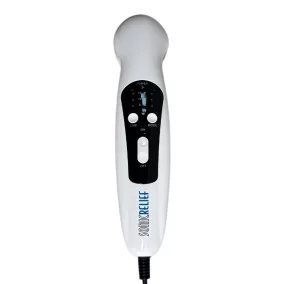


The SonicRelief device emits a 1 MHz therapeutic ultrasound beam used to treat musculoskeletal (tendon, ligament, muscle) inflammations, injuries and degenerative conditions.
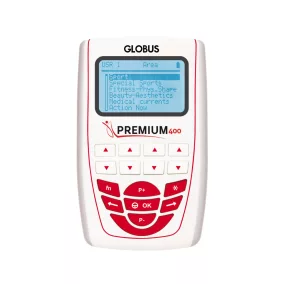


Premium 400 multifunctional electrotherapy device. TENS / EMS / MCR-MENS / FES / iontophoresis. Specialized programs: running, cross-country skiing, combat sports, tennis, football, cycling. 4 channels, battery operated.
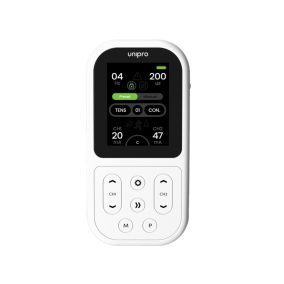
The UniPro is a two-channel, multifunctional electrotherapy device providing TENS, EMS, microcurrent and interferential (IF) treatments.
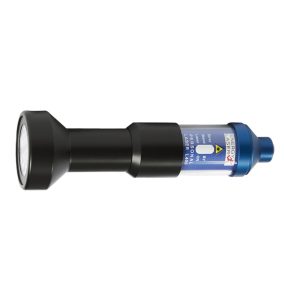


Personal-Laser L400 infrared soft-laser for point treatments. 400 mW continuous output, 808 nm laser beam. Delivers 4 Joules of energy in 10 seconds. Laser diode lifetime 10,000+ hours.
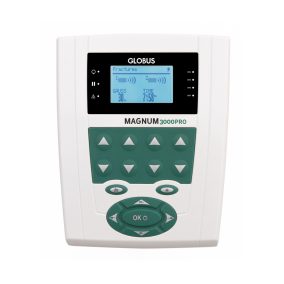


Magnetic therapy (PEMF) device. 2 channels / 400 Gauss total magnetic intensity. 70 programs
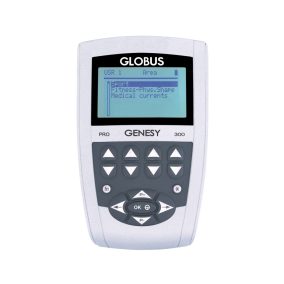


Genesy 300 Pro multifunctional electrotherapy device. TENS / EMS / MCR-MENS / FES / iontophoresis. 4 channels, battery-powered.
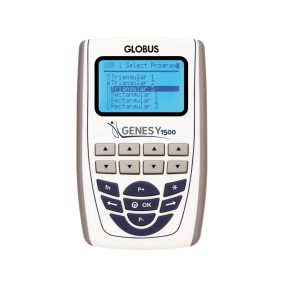


The Globus Genesy 1500 — one device for hundreds of complaints.
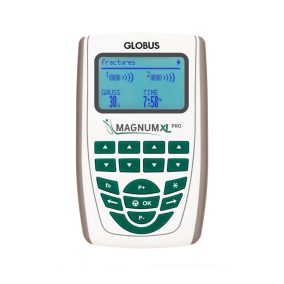


Pulsed electromagnetic field (PEMF) device. 2 channels / 400 Gauss total magnetic intensity. 46 programs. For home use.
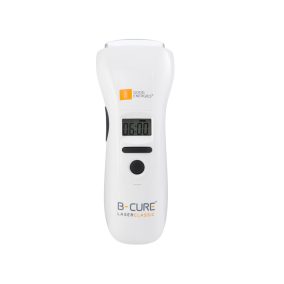


Easy-to-use 808 nm, 250 mW low-level laser device. Treats a 4.5 × 1 cm area at once. About 6 minutes per treatment point. Prism technology — safe to use without protective goggles when used as intended.
 Which methods may be considered, and which device should you choose?
Several physiotherapy methods may be suitable for the home, symptomatic treatment of tendon sheath inflammation – often a combination of these is most useful. Each complements rest and does not replace it. Let’s look at what each method is for and which device is used with it.
TENS relieves pain with mild electrical impulses, without medication or its side effects; microcurrent (MENS) treatment may also support tissue regeneration. These two methods are available together in multifunctional electrotherapy devices, such as the Genesy range or Premium 400, along with many additional programmes – so one device can be used for several complaints.
The mechanical vibrations of therapeutic ultrasound penetrate into deeper tissues and improve local circulation, which may support the resolution of inflammation and tissue regeneration. It is typically used as a course of treatment (10–15 treatments, followed by a break). It is a practical option for treating tight, inflamed soft tissues, including the tendon sheath.
Soft laser penetrates into the deeper layers of tissue and may help reduce inflammation and pain, while supporting tissue regeneration. Because tendon sheath inflammation is well localised and close to the surface, soft laser treatment may be a practical choice. You can also read more about the method and treatment points on a separate page.
Pulsed magnetotherapy (PEMF) supports the treatment of changes affecting soft tissues – muscles, tendons, ligaments and joints – and may also have a favourable effect on inflammatory processes. It is part of musculoskeletal physiotherapy and acts gently over a larger area. It may be particularly useful as a complementary treatment for chronic, persistent complaints.
 Rest is the foundation – and many devices combine several methods
Whichever method you choose, treatment will have a limited effect without resting the overloaded wrist – this is essential for recovery. Among the devices, multifunctional electrotherapy devices (Genesy, Premium 400 and the sport versions) offer TENS and microcurrent together; if you also want soft laser or ultrasound, these are separate devices. You do not need to buy everything at once – it is worth starting with the method that best matches the most troublesome symptom, whether pain or inflammation.
Important information
The devices presented here are complementary options for the symptomatic treatment of non-infectious tendon sheath inflammation, alongside rest and medical treatment – they do not replace a medical examination. Do not start home physiotherapy if the complaint is accompanied by fever, chills, severe spontaneous pain or rapidly spreading swelling – this may indicate purulent (infectious) inflammation, which requires urgent medical care. Electrotherapy, ultrasound and soft laser devices also have their own contraindications, such as a pacemaker, pregnancy, a tumour in the treatment area or fever. See a doctor if the complaint does not improve within a few weeks despite rest and treatment, or if it keeps returning. Always read the device instructions before use.
 Would you like to learn more?
Dr. Zsolt Zátrok explains tendon sheath inflammation in detail in an article, from its development to treatment options: Persistent tendon sheath inflammation and its treatment →. If you are specifically interested in soft laser treatment, including treatment points and device recommendations: Soft laser for treating tendon inflammation →
Frequently asked questions
There is no single method that works for everyone – it depends on your main complaint. If pain is the most troublesome symptom, TENS/microcurrent is the obvious choice; if the aim is to reduce inflammation, soft laser or ultrasound may be considered; for persistent, chronic complaints, magnetotherapy may also be an option. A combination of methods is often most useful. Rest is always the foundation, however – without it, the effect of treatment is limited.
In many cases, a well-chosen multifunctional electrotherapy device (Genesy, Premium 400) is enough because it offers TENS and microcurrent together, along with many additional programmes. Soft laser and ultrasound require separate devices – these may be worth considering if you specifically want to help reduce inflammation or support tissue regeneration. You do not need to buy everything at once; start with the method that matches your main complaint.
No. Tendon sheath inflammation is caused by overuse, so stopping the triggering strain and resting the wrist are essential for recovery. If you continue the activity that causes overuse, even the most useful device will have a limited effect. Physiotherapy methods complement rest – by relieving symptoms, they may make recovery more comfortable and faster, but they do not replace rest.
If the complaint is accompanied by fever, chills, severe spontaneous pain (also present at rest), or rapidly spreading swelling that feels warm to the touch, this may indicate a purulent, infectious form of inflammation. This requires urgent medical care because, without treatment started in time, finger function may also be at risk – home physiotherapy must not be used in this situation. If you experience these symptoms, see a doctor as soon as possible.
In milder cases, symptoms may ease within one or two weeks with rest, but a more stubborn, chronic form requires longer and persistent treatment. Consistency and patience are important here too. If the complaint does not improve within a few weeks or keeps returning, see your doctor to discuss further options.

