
 Arthritis (joint inflammation) – find the solution
Arthritis is an umbrella term: it refers to more than 100 different inflammatory conditions of the joints, all characterised by joint pain, stiffness and swelling. It is not limited to older age – two-thirds of people with arthritis are under 65. The most common forms are osteoarthritis (arthrosis) and autoimmune rheumatic disease (rheumatoid arthritis), but gout and psoriatic arthritis are also included. As the forms differ, so does the treatment – so it is important to know which one is affecting you.
 Which form is it?
To choose the right treatment and device, the form must first be clarified – this is established by a medical examination. If joint wear is behind the symptoms (pain that increases with loading, morning stiffness, creaking), it is osteoarthritis; if there is autoimmune, symmetrical inflammation affecting several joints (morning stiffness in the hands, swollen small joints), it is rheumatoid arthritis. We have prepared a separate, detailed page for both, with suitable devices. Below, we help you find your way.
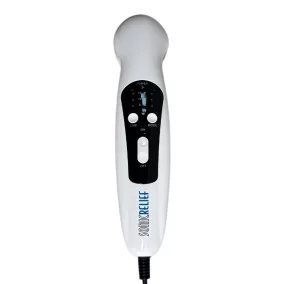


The SonicRelief device emits a 1 MHz therapeutic ultrasound beam used to treat musculoskeletal (tendon, ligament, muscle) inflammations, injuries and degenerative conditions.
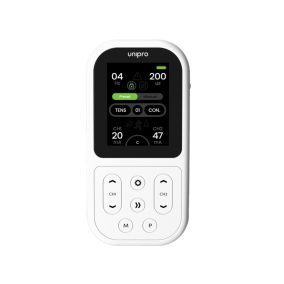
The UniPro is a two-channel, multifunctional electrotherapy device providing TENS, EMS, microcurrent and interferential (IF) treatments.
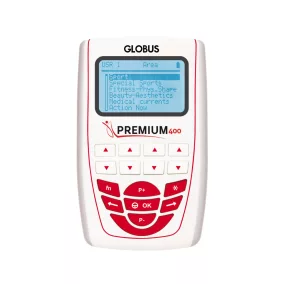


Premium 400 multifunctional electrotherapy device. TENS / EMS / MCR-MENS / FES / iontophoresis. Specialized programs: running, cross-country skiing, combat sports, tennis, football, cycling. 4 channels, battery operated.
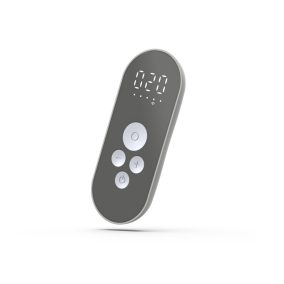


Neuromodulation device. Stimulates parasympathetic nervous system function via vagus nerve stimulation (tVNS).
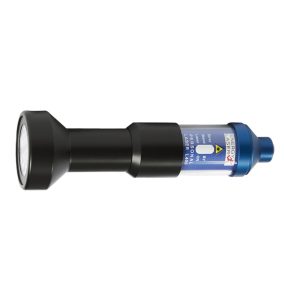


Personal-Laser L400 infrared soft-laser for point treatments. 400 mW continuous output, 808 nm laser beam. Delivers 4 Joules of energy in 10 seconds. Laser diode lifetime 10,000+ hours.
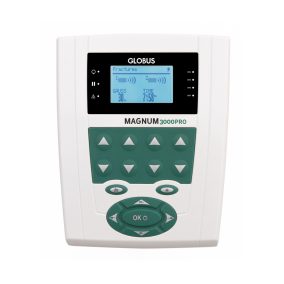


Magnetic therapy (PEMF) device. 2 channels / 400 Gauss total magnetic intensity. 70 programs
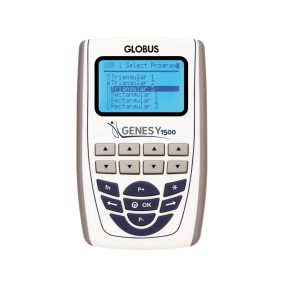


The Globus Genesy 1500 — one device for hundreds of complaints.
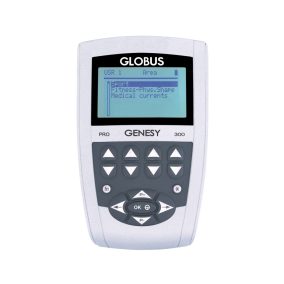


Genesy 300 Pro multifunctional electrotherapy device. TENS / EMS / MCR-MENS / FES / iontophoresis. 4 channels, battery-powered.
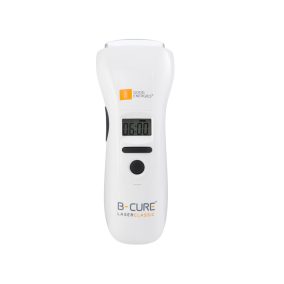


Easy-to-use 808 nm, 250 mW low-level laser device. Treats a 4.5 × 1 cm area at once. About 6 minutes per treatment point. Prism technology — safe to use without protective goggles when used as intended.
 The most common forms of arthritis
Arthritis treatment depends on which form is behind the symptoms. Below, we introduce the most common forms – click the one that applies to you to find suitable devices and information on its detailed page. Establishing the exact form is a medical task.
Gradual wear of the joint cartilage, affecting more people as they age – typically in weight-bearing joints (the knee, hip), the hands and the spine. It is characterised by pain that increases with loading, morning stiffness and creaking during movement. Treatment is based on reducing pain and strengthening the muscles that stabilise the joint. Osteoarthritis – devices and information →
Chronic autoimmune inflammation affecting several joints, in which the body attacks its own joints – typically symmetrically, beginning in the small joints of the hands and feet, with morning stiffness. It is one of the most serious rheumatic diseases. Its primary treatment is medication prescribed by a rheumatologist; physiotherapy is only a symptomatic supplement. Rheumatoid arthritis – devices and information →
There are many other forms of arthritis: gout (the deposition of uric acid crystals in a joint), psoriatic arthritis associated with psoriasis, reactive arthritis and others. In these conditions, the inflammation itself is often a consequence of an underlying disease – for example, in gout, rheumatic disease and lupus, treating the underlying disease medically is the most important step. Physiotherapy devices can also only relieve symptoms (pain and inflammation) in these cases, as a supplement to specialist treatment.
 What the forms have in common: the role of devices
Whatever the form, physiotherapy devices may help relieve symptoms in similar ways – you can find the specific details on the page for each form. In brief: TENS and microcurrent relieve pain, soft laser and therapeutic ultrasound aim to ease inflammation and relieve pain, magnetotherapy supports the reduction of pain and inflammation, while muscle stimulation (EMS) strengthens the muscles that stabilise the joint. Multifunctional electrotherapy devices (the Genesy series, Premium 400) offer many of these functions in one device. The right device depends on the form and diagnosis – it is worth clarifying this with your doctor.
 Important information
Establishing and treating the exact form of arthritis is a medical task – this determines the appropriate solution. In some forms (gout, rheumatic disease, lupus), medical treatment of the underlying disease is the priority; physiotherapy devices only relieve symptoms in all forms and are used as a supplement, not as a replacement for medical treatment. Electrotherapy, ultrasound and soft laser devices must not be used in acute inflammation or fever, or when other contraindications apply (for example, a pacemaker, pregnancy or a tumour in the treated area). Consult a doctor if sudden severe pain, significant swelling, fever or redness occurs, or if the symptoms worsen.
 Would you like to learn more?
Dr. Zsolt Zátrok explains the physiotherapy treatment of joint inflammation for the different forms in a detailed article: Soft laser for treating joint inflammation →. About the causes of joint pain and treatment options: Joint inflammation – when movement is painful →
Frequently asked questions
Arthritis is an umbrella term for all inflammatory joint conditions; osteoarthritis is one form of it – wear-and-tear joint disease. The distinction is as follows: if inflammation is the primary issue (swelling and warmth), the symptoms are arthritis-type symptoms; if joint wear is the main feature (pain that increases with loading and creaking), it is osteoarthritis. The two can be related: persistent arthritis may, over time, also lead to wear of the joint cartilage (osteoarthritis). A medical examination clarifies the exact form.
This is established by a medical examination – but some features may help you find your way. Osteoarthritis typically affects weight-bearing joints (the knee and hip), with pain that increases with loading, brief morning stiffness and creaking. Rheumatoid arthritis more often begins in the small joints of the hands and feet, symmetrically, with persistent morning stiffness and swelling. Gout presents as a sudden, severe attack, often affecting the big toe. Always consult a doctor for an exact diagnosis.
Devices (TENS, soft laser, EMS, ultrasound and magnetotherapy) may help relieve symptoms – pain and inflammation – in similar ways for most forms, so a multifunctional device can be used for various joint complaints. However, the focus and protocol may differ between forms: for osteoarthritis, for example, muscle strengthening (EMS) is also important, while for rheumatoid arthritis, medication-based primary treatment is the priority. It is therefore worth reading the page for the specific form and discussing it with your doctor.
Electrotherapy, ultrasound and soft laser treatment should generally not be used in cases of acute inflammation or fever – resting the affected joint and consulting a doctor are the priorities at such times. Physiotherapy devices are more useful during a stable, non-acute period. If you are unsure whether the device can be used in your current condition, ask your doctor.
Always do so before starting treatment, to establish the exact form and treatment plan. You should also see a doctor if sudden severe pain or significant swelling occurs, if the symptoms are accompanied by fever or redness, or if joint movement becomes severely restricted. In some forms (rheumatic disease and gout), regular medical treatment and monitoring of the underlying disease are essential.

