Blog
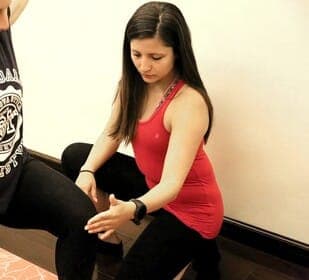
In my series of articles about specialists, I am now introducing Gréta Hepp, a representative of the young, well-travelled generation. With her degree, experience and knowledge gained abroad, she wants to build her career at home. Her favourite field is movement rehabilitation for athletes. In other words, she helps them recover from various injuries and operations as quickly as possible and regain their pre-injury condition. She uses several methods, including the latest muscle stimulation techniques. I asked her about her work and goals.
We met Misi Bodócs in our childhood. He was a member of the team from the neighboring town and we often competed against each other at pioneer Olympics. Life then took us in different directions and 35 years later we bumped into each other by chance. We ran into each other while cycling in the Buda hills (for lack of a better phrase). At Normafa we even stopped for a refreshment and a slice of homemade strudel at the little kiosk. After the usual “how are you” and “what are you doing” questions, however, our conversation took an unexpected turn…
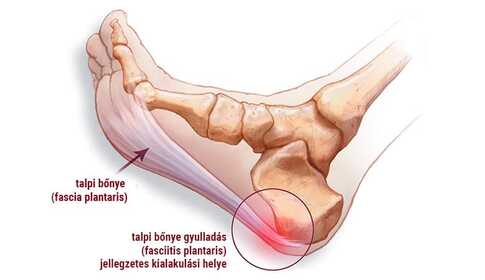
Plantar fascia inflammation (or medically fasciitis plantaris) is one of the most common causes of sole and heel pain. Beneath the skin of your sole runs a thick connective tissue sheet (formerly called fascia) from the toes to the heel bone. Its inflammation mainly occurs where it meets the bone, that is, at the heel bone or in front at the bases of the toes. The first symptom is a stabbing pain during the first steps in the morning. After a few steps it "warms up", but over time the pain lasts for increasingly long periods. It is very hard to "get rid" of. It can be treated at home, but be prepared for weeks — and more often months — of regular treatment to achieve full resolution.
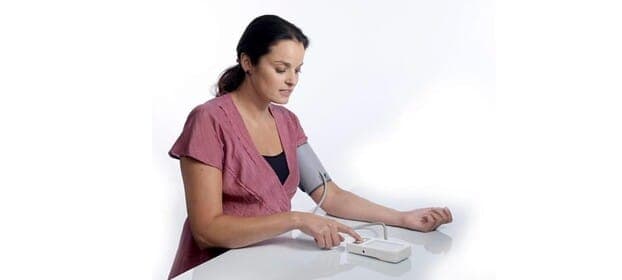
If you've ever watched someone measure their blood pressure, you might think there's nothing to it. That's not always the case. Knowing a few basic rules can help prevent inaccurate readings that could lead to a wrong diagnosis or unnecessary or inappropriate treatment.
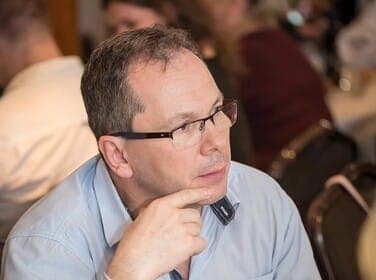
In the series about professionals, I now introduce physiotherapy specialist, personal trainer and spinal expert Angi Nimród, who after a severe car accident — having been declared disabled — worked on her own rehabilitation for five years. That experience inspired her to help others as well. She has earned respect in the profession and is a member of the board of the Massage Therapists Association. She mainly treats spinal patients, but because of her reputation athletes also line up with various complaints.
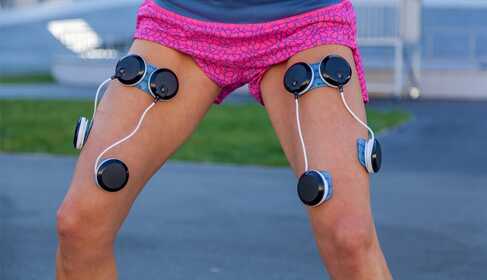
The quadriceps is the strongest muscle in the body — and your knee’s “living brace”. Knee stability is provided by two systems: the passive system (bones, ligaments and menisci) and the active system — the muscles surrounding the joint. While the thigh muscle is strong, it controls and unloads the joint; when walking on level ground, the knee is exposed to 2-3 times your body weight, when climbing stairs to 3-4 times, and during squats or running to as much as 5-8 times. A significant part of this load is absorbed by the muscles instead of the cartilage.
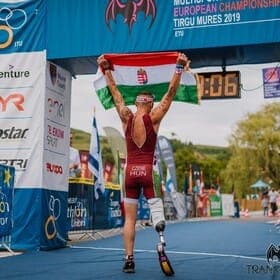
Gábor Czene lost his right leg in a road motorcycle accident at the age of 25. For years he believed that was the limit of his mobility and sport. But things turned out differently....
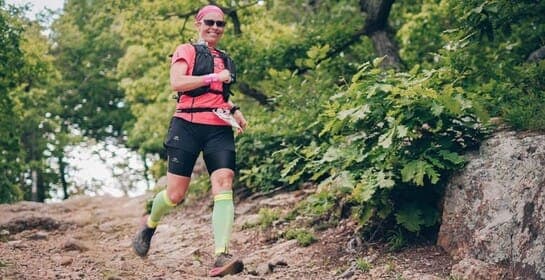
Kalamász “Raszika” Zsanett recently successfully completed her first marathon (Sri Chinmoy Marathon Lázbérc, 4 hours 51 minutes). Raszika is a yoga instructor and, besides yoga, running is her “second love.” She began preparing roughly two years ago, running 50–70 km per week. So far it sounds straightforward, but about a year ago she developed foot pain while running that did not go away — by spring it had worsened so much that she underwent manual therapy and received softlaser, cryo and shockwave treatments, yet her complaints persisted. That’s when she started using a Runner Pro electrotherapy device regularly.
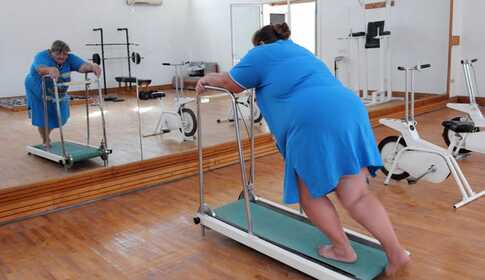
Dear Doctor! I read your articles. I turn to you as my last hope. My vertebrae are coming apart, I can hardly move and no one helps. The rheumatologist won’t even examine me anymore and didn’t give me any pain relief. My GP talks about surgery, which I’m terrified of on the one hand, and on the other hand I can’t afford. Please, if you could help me so I could walk down the street once more without a walker, I would be extremely grateful.
Summer is here! We get into a car, bus, train or plane and visit resorts and sights. Prolonged sitting during travel can be dangerous and favors the development of thrombosis.
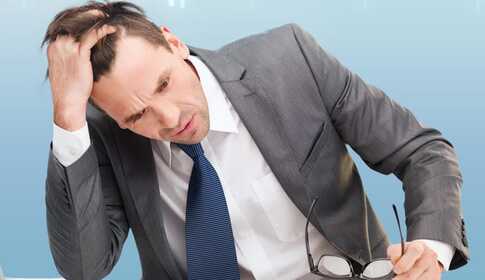
Stress is not an enemy in itself. It is an emergency response that evolved over millions of years and prepares the body to act within seconds in dangerous situations: the heart beats faster, blood pressure rises and the muscles tense. In the short term, this is genuinely useful – the “good stress” (eustress) before an exam, a deadline or a difficult conversation mobilises you and improves performance.