Blog

“Difficult days”, “that time of the month” – even common expressions hint that menstruation can often be quite unpleasant. Every woman experiences this time differently. Some aren’t bothered by these few days at all. Some suffer mild discomfort, and some are tormented by almost unbearable pain, which can lead to missed days from work or school…
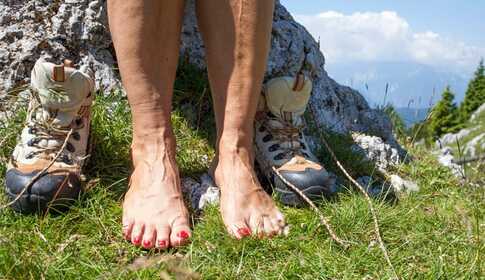
Are you on your feet all day? Or the opposite — sitting at a desk for hours? If by evening your legs feel heavy and tired, your ankle swells, and your sock leaves a mark in your skin, you may be experiencing the first signs of varicose vein disease. The good news: there’s a lot you can do to prevent worsening — and you don’t necessarily need to go under the knife.
Patients talk among themselves these days like this: I asked for an MRI. I got myself prescribed antibiotics! I asked for a referral to Harkány. Look at that! Dr. Bubó's famous saying came true: "The patient dictates, the doctor writes!"… I think it's a disgrace, meaning that a significant portion of tests and prescriptions are issued not on medical indication but under the patient's "pressure" or request. This little "tale" of mine was inspired by a somewhat provocative, somewhat teasing comment on one of my posts.
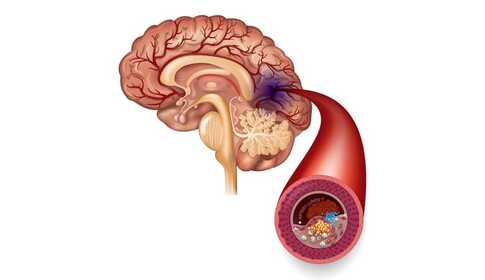
Stroke (pronounced: strok) is the collective name for diseases that mean a severe disturbance of the brain's blood supply. Older and folk names include: apoplexy, stroke of paralysis, brain softening, cerebral hemorrhage, brain infarction. The symptoms and consequences can be similar in every case. Stroke always denotes a permanent condition, meaning functions are usually not fully restorable. In fortunate and mild cases the symptoms disappear within 24 hours and the loss of function is temporary. In such cases it is not called a stroke but a transient ischemic attack (medical name: TIA).

Sports injuries caused by excessive load (overuse) are the most common! These chronic complaints occur far more often than acute sports injuries. While an acute injury usually causes immediate loss of function—so you go to the doctor right away—most overuse complaints are postponed for a long time, and most doctors do not deal with them "in proportion to their severity."


I am not a believer in conspiracy theories. But the process commonly called the great Rockefeller–Carnegie conspiracy is worth a little thought. It fundamentally changed medical education, patient care and the possibilities for healing. Its main effect was that healthcare became a business — and a huge one.
Peripheral neuropathy is damage to peripheral nerve fibers that causes sensory disturbances and balance problems with instability. Its main symptoms are tingling, numbness, burning sensations and a vibration-like feeling. Pain often worsens at night, and touching the affected area or even temperature changes can increase it. Neuropathy is not currently curable, but symptom relief — although limited — is possible.
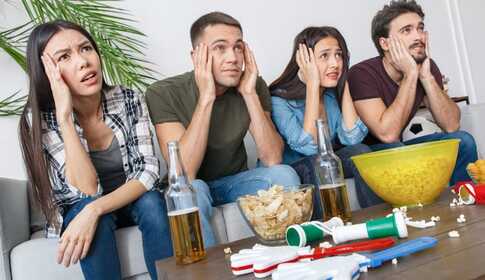
The stagnation of Hungarian sports results did not begin recently, but it has become truly noticeable over the past few years. For decades our athletes were among the world elite in canoe-kayak, swimming, fencing, gymnastics, modern pentathlon, wrestling, football, handball, water polo, sport shooting, and even athletics. Today — with one or two exceptional stars aside — victories have become rarer.
The mission of Élethosszig Egészségesen magazine is to introduce medical devices for home and clinic use as widely as possible and to demonstrate how to use them. Progress is extremely rapid; new solutions appear daily, so there is always something new to discover.
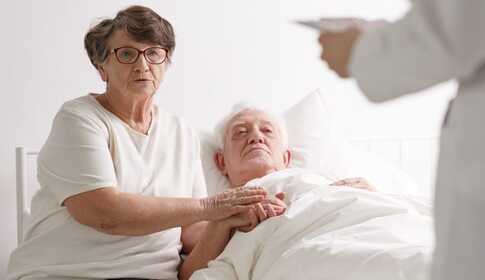
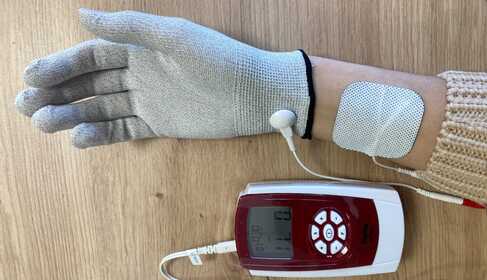
Electrotherapy — TENS, EMS, microcurrent, interferential therapy or iontophoresis — is generally well tolerated in clinical practice and serves as an adjunctive analgesic and rehabilitative modality. Users living with cancer, however, often ask: is treatment safe when the medical history includes a malignant tumor?