
Blog
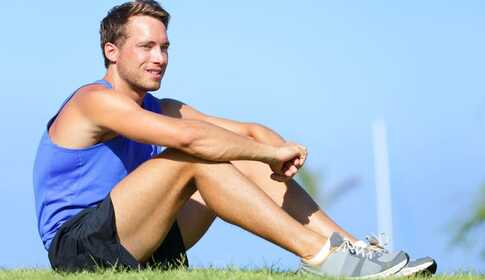
Better sports performance depends not only on the amount of training you do. Physical and nervous system regeneration (rebuilding, re-regeneration) after workouts is extremely important. During rest the consequences of training are cleared away (repair of micro-injuries, removal of waste products), and this is when the effect "sets in": muscle fibers strengthen, cellular functions adapt, etc. Time spent resting is therefore not wasted — in fact, you can only progress and reach high levels of performance if you devote enough time to regeneration. Without rest the risk of injuries also increases. You can improve muscle regeneration in several ways; in this article I present the two most effective methods: muscle stimulation and compression therapy.
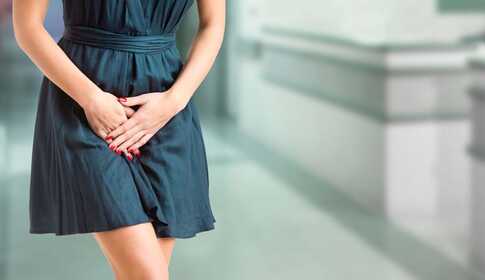
Urinary incontinence means that urine leaks involuntarily – whether just a few drops or a larger amount. It is not a natural part of ageing, and there is no need to feel ashamed. An estimated 400,000 women and 100,000 men are affected in Hungary, but the actual number may be much higher because many people do not seek medical help.
Home electrotherapy devices – whether TENS, EMS, microcurrent, iontophoresis or interferential therapy – deliver electrical current into the tissues. This raises particularly important questions when some implanted medical device (pacemaker, ICD, neurostimulator, hip prosthesis, etc.) is present in your body.
Home electrostimulation treatment is not complicated – but before the first sessions it helps to know the exact steps. In this article I will guide you through the whole process: from preparations through electrode placement to treatment protocols.
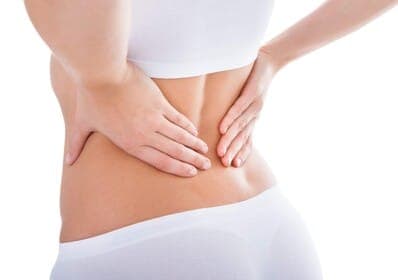
Many people suffer from persistent pain. Chronic pain means pain that lasts for more than six months, and its severity can range from quite mild to agonizing; it may be continuous or intermittent. It can be nearly constant, lasting months or even years, which is why chronic pain is an enormous physical and mental burden on the sufferer. It most commonly presents as back, lumbar or joint pain, but can appear in many other forms as well, such as facial or sinus pain, tendonitis, tennis elbow, sciatica or carpal tunnel syndrome. What can you do at home to reduce chronic pain?
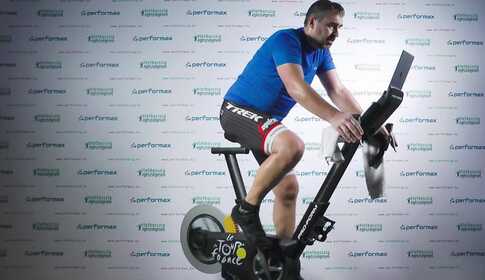
Most Hungarian amateur athletes train in the spare time they steal from their job and their family/partner. With such obligations, only a few manage optimal preparation. I’ll show you an opportunity provided by the most modern medical technology that you can use passively — for example while doing office work — and literally "gain" training time. With muscle stimulation you can effectively develop your muscles. Of course, not all muscles at once as with traditional training. But that’s not the goal! Apply muscle stimulation to the muscles that your sport uses most. For example, if you cycle or run, focus on your leg muscles. If you make stimulation part of your training plan, it can provide significant development opportunities. Let’s see what this is about.
After an episode of thrombosis you are never quite “the same” again! The disease always ends in a “residual condition” that you must live with for the rest of your life. This is the post-thrombosis condition, medically called post-thrombotic syndrome. Keeping symptoms under control and, above all, preventing recurrence of thrombosis is in your hands. You must care for it every day, continuously. Let’s review your options.
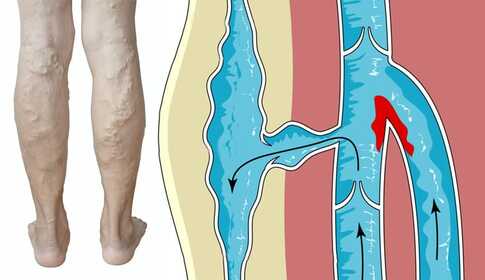
Thrombosis – when blood clots form inside a vessel and a thrombus develops – is one of the vascular emergencies. In Hungary it affects 16–20 thousand people annually, and many die from its complications, especially pulmonary embolism. The good news: in most cases the risk can be assessed, and with prevention, early recognition, and mindful home aftercare the long-term consequences of thrombosis can be substantially reduced.
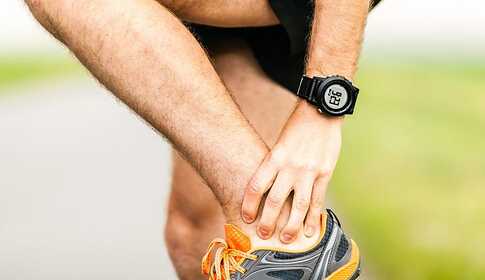
It's morning. You get out of bed feeling tired and your calf feels stiff. Every day you get more and more of a nagging feeling that something isn't right. You wonder whether to go for today's run or whether it's time to suspend running until the complaint disappears. You think you need to move — so you set off. Achilles pain increasingly torments you while running and you eventually switch to walking. But it doesn't get better: your lower-leg muscles remain stiff and ache. What could this be?
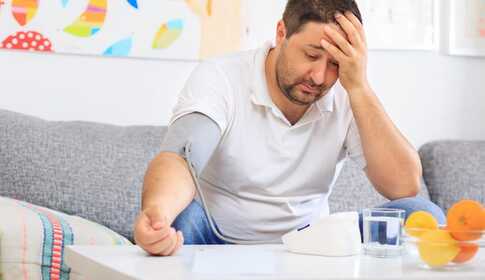
Like most of our country's residents, you probably believe that because you paid your health contributions, it is solely the doctors' job (duty) to heal you. You think it's enough to take a pill or two and have nothing to do but sit in an armchair and wait to recover. You don't give up unhealthy eating, you don't change your sedentary lifestyle, and you certainly won't give up your harmful habits. Yet you wonder why you don't feel better from the pills!?
It's time to learn that the majority of chronic diseases are caused by your lifestyle! You can't blame others for their development, and you must take part in their treatment. In treating chronic diseases the doctor's role is to provide a treatment plan. Its execution, however, depends almost entirely on you!
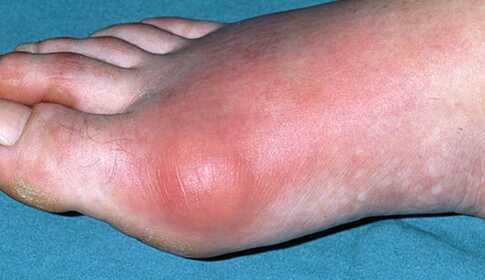
Gout is one of the most common forms of joint inflammation (arthritis). An attack typically starts suddenly, often in the middle of the night: the base of the big toe feels as if it is “on fire”, while the joint becomes hot, swollen and red. It is so sensitive that even the weight of the bedclothes can be unbearable. The pain is usually at its worst during the first 6-12 hours, then eases over days or weeks.

