
Blog
"Put ice on it!" You've probably been given that advice or have suggested it to someone as a universal remedy. It's not without reason: the beneficial effects of cold therapy are not merely a myth; it truly can reduce pain and at the same time activate the healing process. Cold therapy – when to use it? Cold therapy should be the first treatment and started as soon as possible after fresh muscle and joint injuries […]
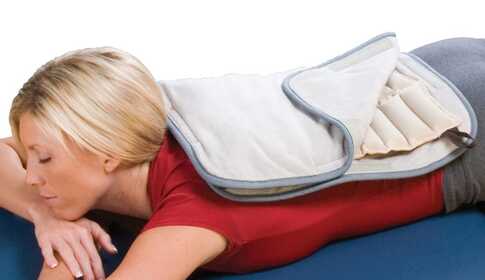
Joint pain is unpleasant on its own, but the reflexive contraction and stiffening of the muscles surrounding the joint can further increase your symptoms. For such problems that become chronic, the simplest and also the most affordable treatment is heat therapy. Let’s see how you should apply it to achieve the proper effect.
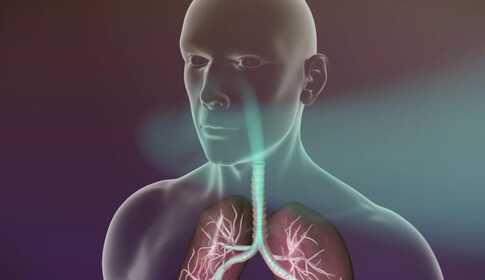
The inner surface of your airways is covered, even when healthy, by a thin layer of mucus. It serves to trap pathogens and dust. Of course, this must be removed. Nature uses two methods: one is coughing or sneezing, which clears the airways. The other is the cilia that line the airway walls. Imagine countless tiny “whips” beating in one direction and moving the mucus outward. This self-cleaning is vital for maintaining your lung health.
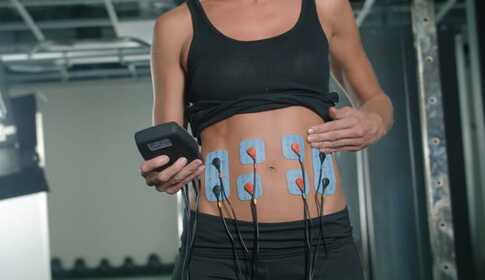
Advertisements routinely imply you can reshape your body "without breaking a sweat" while sitting in an armchair. Recent clinical evidence paints a more nuanced picture: muscle stimulation (EMS) is a valuable tool for increasing muscle mass and strength, but by itself it does not produce meaningful reductions in body fat. Therefore, it’s important to start with realistic expectations—especially because weight loss is a YMYL (Your Money or Your Life) topic where unsupported decisions can have health and financial consequences.
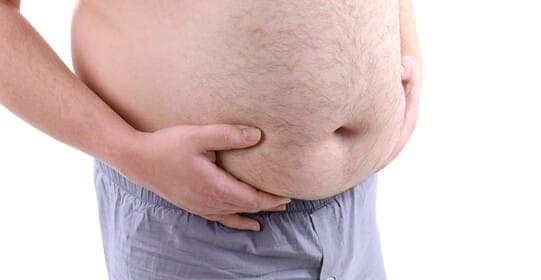
Obesity in Hungary affects 65 percent of the adult population. Sixty-two percent of women and 67 percent of men—altogether roughly 5 million people—are considered overweight or obese. These data emerged from the national survey on nutrition and nutritional status.
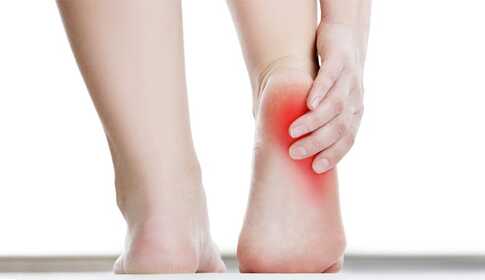
You get out of bed in the morning, and as soon as your foot hits the floor a sharp, stabbing pain shoots into your heel. It feels like stepping on a pin cushion. Sound familiar? You are probably dealing with plantar fasciitis and/or a heel spur — one of the most common and stubborn musculoskeletal complaints, affecting about one in ten people during their lifetime.
In this article I will show what causes plantar fasciitis and how a heel spur develops, how to recognise it, and most importantly: which effective home treatment methods can free you from the pain without surgery.
White muscle fibers are capable of rapid, powerful contractions, but they have poor endurance and negligible aerobic metabolism. They operate fundamentally in an anaerobic manner because they contain very few mitochondria, and their contractions produce a lot of lactate. Red muscle fibers, rich in mitochondria and therefore operating more aerobically, use lactate as an energy source if they have sufficient oxygen. If lactate concentration in neurons rises above a certain level, they cannot function properly and neurological disturbances occur, for example impaired movement coordination.
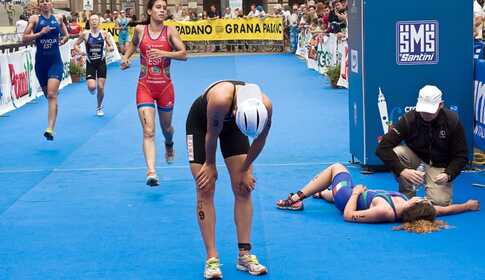
Recently I was invited as a speaker to the national meeting of the BSI running ambassadors. The topic we discussed was SUPERCOMPENSATION — which is what the title above refers to. In other words, it is not enough just to train… Positive changes caused by (running) training require something more. But is it enough to just rest and refuel?
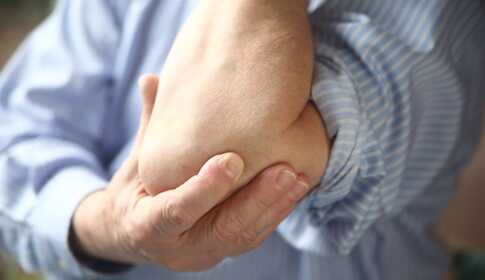
Elbow pain is usually a harmless symptom, but because you use your elbow for many different movements and activities, it can be very uncomfortable. The elbow is a complex joint; it allows bending and straightening of the forearm and rotation of the hand and forearm. Most movements are a combination of these, which is why it is sometimes difficult to determine exactly which movement triggers the pain.
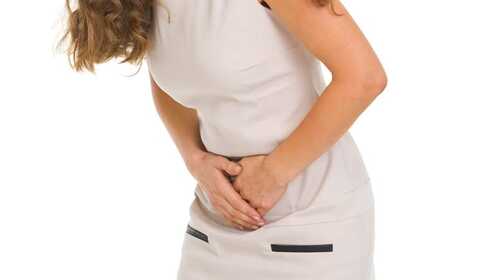
Endometriosis affects an estimated 10% of women of reproductive age, and its most common symptom is chronic, often disabling pelvic (lower abdominal) pain. Causal treatment of the disease (hormonal therapy, surgery) is specifically the task of a specialist – however, several drug-free options are available to help relieve pain at home. Among these, TENS (Transcutaneous Electrical Nerve Stimulation) has gained particularly strong clinical evidence in recent years for treating pelvic pain.
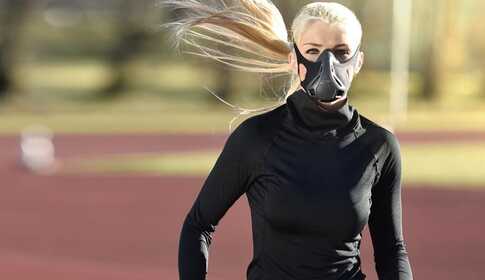
The importance of breathing has already been covered in several articles on this site. This article on using the training mask is primarily aimed at athletes, since they are the ones who most often use this device to improve breathing and strengthen the respiratory muscles. Jarmila Kratochvílová, the great Czechoslovak 400 and 800 m runner of the last century—who still holds the world record in the 800 m—sometimes trained in a military gas mask to boost her performance [...]

