
 Carpal tunnel syndrome – physiotherapy devices for home use
Carpal tunnel syndrome develops when the median nerve running through the wrist is compressed – typically as a result of one-sided, repetitive hand use (typing, mouse use, manual work). Symptoms include numbness in the thumb, index and middle fingers, and wrist pain that initially occurs only at night but later becomes constant. In mild and moderate cases, it can be treated effectively with conservative, non-surgical methods – physiotherapy devices may help with this: TENS and microcurrent therapy, soft laser, therapeutic ultrasound and magnetotherapy.
 Reducing strain is the first step
The most important first step in treatment is reducing strain: stopping or reducing the activity that causes overuse – without this, even the best device will have limited effect. An important distinction: TENS relieves pain, but does not release the compression of the nerve (symptomatic treatment); soft laser, microcurrent and ultrasound, however, may also affect the underlying cause by reducing inflammation and swelling. Below, we look at what each method is good for.
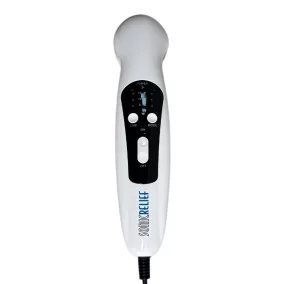


The SonicRelief device emits a 1 MHz therapeutic ultrasound beam used to treat musculoskeletal (tendon, ligament, muscle) inflammations, injuries and degenerative conditions.
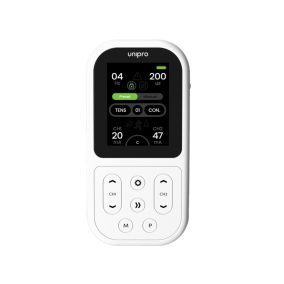
The UniPro is a two-channel, multifunctional electrotherapy device providing TENS, EMS, microcurrent and interferential (IF) treatments.
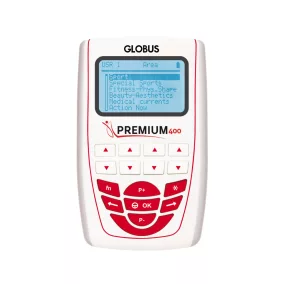


Premium 400 multifunctional electrotherapy device. TENS / EMS / MCR-MENS / FES / iontophoresis. Specialized programs: running, cross-country skiing, combat sports, tennis, football, cycling. 4 channels, battery operated.
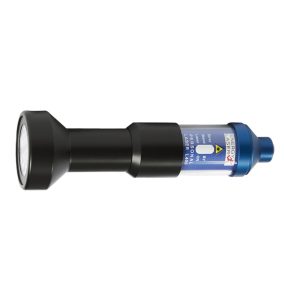


Personal-Laser L400 infrared soft-laser for point treatments. 400 mW continuous output, 808 nm laser beam. Delivers 4 Joules of energy in 10 seconds. Laser diode lifetime 10,000+ hours.
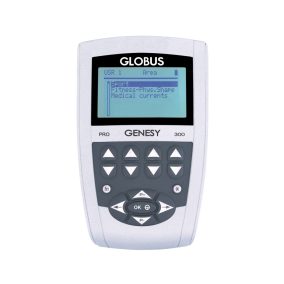


Genesy 300 Pro multifunctional electrotherapy device. TENS / EMS / MCR-MENS / FES / iontophoresis. 4 channels, battery-powered.
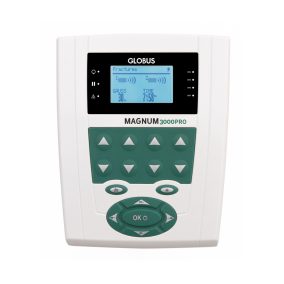


Magnetic therapy (PEMF) device. 2 channels / 400 Gauss total magnetic intensity. 70 programs
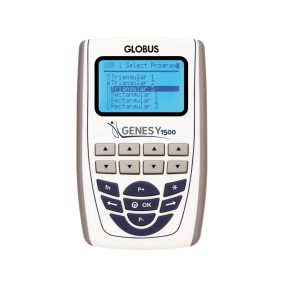


The Globus Genesy 1500 — one device for hundreds of complaints.
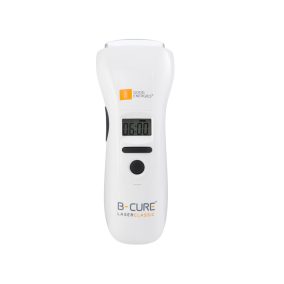


Easy-to-use 808 nm, 250 mW low-level laser device. Treats a 4.5 × 1 cm area at once. About 6 minutes per treatment point. Prism technology — safe to use without protective goggles when used as intended.
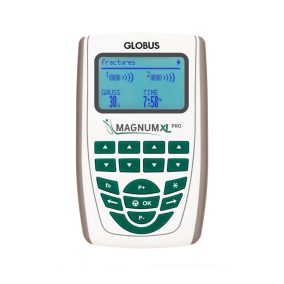


Pulsed electromagnetic field (PEMF) device. 2 channels / 400 Gauss total magnetic intensity. 46 programs. For home use.
 Which methods may be suitable, and which device should you use?
Several physiotherapy methods may be suitable for the conservative treatment of carpal tunnel syndrome – a combination of these is often the most useful. It is important to distinguish between a method that only relieves pain and one that may also affect the underlying inflammation and swelling. Each method complements reducing strain; none replaces it.
Soft laser penetrates into the deeper layers of tissue and may reduce inflammation and swelling, which in carpal tunnel syndrome are linked to the underlying cause – compression of the nerve. The method has been examined in several scientific reviews involving mild and moderate carpal tunnel syndrome, with favourable results. Because the carpal tunnel is well-defined and close to the surface, soft laser treatment is a straightforward choice. You can read more about the method and treatment points on a separate page.
Alongside relieving pain, microcurrent treatment supports the regeneration of inflamed cells and may help reduce swelling – so it may affect the underlying cause as well as easing pain. It is a gentle method that combines well with the others. Multifunctional electrotherapy devices (Genesy, Premium 400) offer it together with TENS.
TENS relieves pain with gentle electrical impulses, without medication or side effects. It is important to know that TENS is symptomatic treatment – it reduces pain but does not release the compression of the nerve, so it does not affect the underlying cause. It is a good choice for easing symptoms, for example at night, but it is worth combining it with methods that reduce inflammation (soft laser, microcurrent) and with reducing strain.
Therapeutic ultrasound warms deeper tissues and improves local circulation, which may support the reduction of inflammation. Pulsed magnetotherapy (PEMF) may provide support in conditions affecting a joint or tendon – including carpal tunnel syndrome – by favourably influencing inflammatory processes. Important: the effect of static (non-electrical) magnets – bracelets and straps – has not been medically proven; they are not included here.
 Reducing strain is the foundation – and many devices combine several methods
Whichever method you choose, treatment will have limited effect without reducing the activity that causes overuse – this is the foundation. Among the devices, multifunctional electrotherapy devices (Genesy, Premium 400 and the sport versions) offer TENS and microcurrent together; soft laser and ultrasound are available in separate devices. You do not need to buy everything at once – it is worth starting with the method that matches the most troublesome symptom (pain or inflammation).
 Important information
Assessment and treatment of carpal tunnel syndrome are medical tasks; the devices presented here complement conservative treatment and reducing strain – they do not replace a medical examination. If conservative treatment does not produce results, or if nerve conduction deteriorates significantly (which can be confirmed by an ENG/EMG examination), surgical treatment may become necessary, as decided by a specialist. See a doctor if the numbness becomes constant, if the muscles at the base of the thumb begin to waste away (weakening your grip), or if symptoms worsen despite treatment – these may indicate lasting nerve damage and may require timely intervention. Electrotherapy, ultrasound and soft laser devices also have contraindications (for example, a pacemaker, pregnancy, a tumour in the treatment area or fever).
 Would you like to learn more?
Dr. Zsolt Zátrok presents carpal tunnel syndrome in detail in an article – from prevention to treatment and from its causes to practical advice: Carpal tunnel syndrome: prevention and treatment →. If you are specifically interested in soft laser treatment – including the scientific background and treatment points: Soft laser treatment of carpal tunnel syndrome →
Frequently asked questions
No. TENS is symptomatic treatment: it relieves pain but does not release the compression of the nerve, so it does not treat the underlying cause. As a result, pain may return when the effect of TENS wears off. Soft laser, microcurrent and ultrasound may have more effect on the underlying inflammation and swelling – while reducing strain is the most important measure. TENS is most useful when combined with these methods.
The cause of carpal tunnel syndrome is compression of the nerve, with inflammation and swelling behind it. Soft laser, microcurrent and therapeutic ultrasound may affect this because they may reduce inflammation and swelling. Soft laser is a particularly well-researched method in mild to moderate cases. TENS, by contrast, only relieves pain. The most favourable result comes from combining a method that reduces inflammation, pain relief and reducing strain.
In many cases, a multifunctional electrotherapy device (Genesy, Premium 400) is a good starting point because it offers TENS and microcurrent together, with many programmes. If you also want to focus on targeted reduction of inflammation, soft laser is a separate, well-researched option. Ultrasound is also available in a separate device. You do not need to buy everything at once – start with the method that matches your main symptom, and be sure to continue reducing strain.
If the numbness becomes constant, if the muscles at the base of the thumb begin to waste away (your grip weakens and you drop objects), or if conservative treatment does not bring improvement. In this situation, nerve conduction is assessed with an ENG/EMG examination, and if it has deteriorated significantly, hand surgery may become necessary. Persistent nerve compression can lead to permanent damage, so timely examination is important – do not delay if symptoms worsen.
No. The effect of static magnets – those not produced by electricity – such as bracelets, straps and necklaces has not been medically proven. What may be effective is pulsed magnetic field (PEMF) therapy produced by electric current, which is a medical physiotherapy method. The two are not the same – for the treatment of carpal tunnel syndrome, a pulsed magnetotherapy device may be considered, not fashion jewellery.

