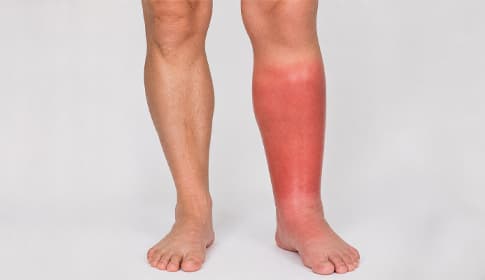

 What is erysipelas (orbánc)?
Although erysipelas itself is usually treatable with antibiotics, its consequences can be long-lasting. Recurrent, repeatedly returning infections are especially dangerous because over time they can cause permanent damage to the lymphatic system.
 Key point
Erysipelas is not a “mild dermatitis” — it is an acute infection that requires urgent medical consultation and antibiotic treatment. It CANNOT be treated with home remedies, ointments or soaking. Promptly started, appropriate antibiotic therapy significantly reduces the risk of long-term complications — including lymphoedema.
 How does erysipelas develop?
Erysipelas is usually caused by bacteria called Streptococcus pyogenes. These bacteria enter your body through injuries, cracks or wounds in your skin. Minor cuts, abrasions, burns, wounds or even insect bites can serve as "entry points."
Healthy skin has a protective layer that prevents bacteria from entering. However, if the skin is damaged or the immune defense is weakened, this protective layer is compromised and bacteria can more easily invade.
Risk factors
Certain conditions significantly increase the risk of infection:
- Chronic lymphoedema or lipedema – stretched, swollen tissues have poorer circulation and reduced immune response
- Chronic venous insufficiency, leg ulcer – an open wound is a persistent entry point (home treatment with low-level laser may also be an option)
- Diabetes – reduced immune response and slow healing of small wounds
- Higher body mass index (BMI > 30) – increased skin-fold irritation, fungal infection in skin folds
- Fungal skin infection between the toes – a typical entry point often overlooked
- Previous erysipelas – after one episode, lymphatic damage increases the risk of recurrence
- Post-oncologic surgical state (especially breast cancer–related arm swelling – BCRL) – the lymphatic system is already compromised
- Older age, reduced general immunity
If any of the above risk factors apply to you, it is worth reviewing the leg swelling triage article for a symptom-based differential diagnosis.
How does erysipelas spread?
Patients commonly fear that family members might catch the infection. This fear is only partly justified. Erysipelas is not considered highly contagious. Direct contact with the bacterium is required, and it generally causes infection only if the skin's protective barrier is broken.
Put simply, a relative could catch erysipelas if they thoroughly touch your inflamed skin, stroke it, and then transfer the bacteria with their hand into a wound, eye or mouth on their own body. If, after touching your leg, they wash their hands thoroughly and disinfect them (e.g. with diluted household bleach), the chance of them catching the disease is minimal.
The pathogen is not airborne, so merely being in the same room with you does not transmit it. Direct contact with infected skin or secretions is necessary.
 Hygiene instructions for caregivers
If you care for skin affected by erysipelas, pay extra attention to hygiene. Use disposable rubber gloves and disinfect your hands after each care episode (alcohol-based hand sanitizer or diluted bleach solution). Wash items that contact the affected area — towels, clothing — separately at high temperature.
The symptoms of erysipelas
It most commonly appears on the lower limb, but can also occur on other areas such as the arms, buttocks, abdomen, and even the face. It is usually easy to recognize based on its symptoms.
- Redness: The affected area shows marked redness. Erysipelas does not remain at the entry point but begins to spread. The skin has a rich lymphatic network, and once bacteria enter the lymphatics they start to spread there. One characteristic sign is that the redness spreads upward along lymphatic channels from the entry point. Historically this was described as a "tongue-like" spread: the redness extends along certain lymphatic channels, with a narrower leading edge that widens toward the lower end.
- Swelling: The skin in the affected area swells and feels tight. This swelling may also be noticeable around the infected region.
- Warmth and pain: The skin may feel warm, and there can be tenderness and pain. Pain intensity varies and may increase with pressure or touch.
- Fever and systemic symptoms: Erysipelas is often accompanied by fever, which can be mild or high. Other general symptoms may include chills, headache, fatigue and muscle aches.
- Blisters or pustules: Small blisters may appear on the inflamed area containing clear fluid (lymph) or pus.
- Regional lymph node swelling: If the infection reaches nearby lymph nodes, they may become enlarged, tender and painful.
When is it urgent? – Red flags
If you have any of the following symptoms, you MUST go to the emergency department or an on-call clinic immediately:
- High fever (above 39 °C), especially with chills
- Rapid spread of redness (visibly advancing hour by hour)
- Blackish-purple discoloration on the infected area
- Severe, throbbing pain unusually intense for you
- Severe malaise, confusion, low blood pressure
- Nausea, vomiting, extreme weakness
These signs may indicate a severe complication — even sepsis (blood poisoning) — and may require hospital treatment with intravenous antibiotics.
 Complications of erysipelas
Neglected erysipelas can lead to serious complications!
Sepsis (blood poisoning): Without treatment, or if the wrong antibiotic is given, bacteria can enter the bloodstream and cause severe sepsis, which can be life-threatening.
Skin problems: After erysipelas, residual changes such as discoloration, spots or scarring may remain on the skin.
Fasciitis necroticans: A rare but very severe complication in which the infection destroys deeper layers of tissue beneath the skin. It requires urgent surgical intervention.
Lymphoedema (also called lymphedema): As noted, the pathogens that cause erysipelas spread through and inflame lymphatic vessels. Scarring from this inflammation can damage, block or obstruct the lymphatics. Even a single episode of erysipelas can result in permanent lymphoedema. Recurrent erysipelas makes this outcome almost certain.
The lymphatic system's task is to remove lymph from tissues. Small lymphatic vessels collect it and pass it to larger vessels that lead to lymph nodes. Lymph nodes filter the lymph and remove cells and substances important for immunity. If inflammation from erysipelas destroys lymphatic vessels, the lymphatic system can no longer function normally, leading to edema (swelling).
Lymphoedema resulting from erysipelas is a permanent, not completely reversible condition — it can only be controlled with maintenance therapy. Clinical background: Lymphoedema — forms, causes and stages; home management protocol: Managing lymphoedema at home.
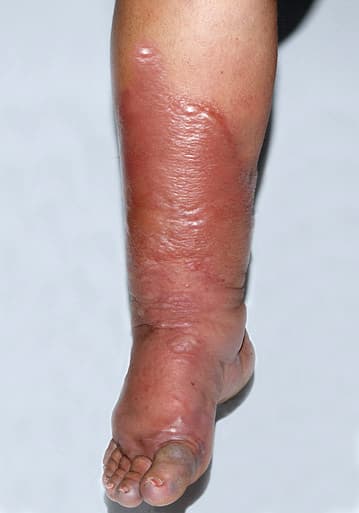
Chronic, recurrent erysipelas: because of the damaged lymphatic system, the infection is more likely to return. After one episode, the risk of a subsequent episode in the same limb is 2–3 times higher. Chronic, recurrent erysipelas (3+ episodes) typically leads to progressive lymphoedema.
What to do if you suspect erysipelas
See a doctor immediately (start with your GP, or a dermatologist). The sooner appropriate antibiotic treatment begins, the lower the risk of complications.
Erysipelas CANNOT be treated at home with folk remedies, soaking, nettle tea, or ointments!
If symptoms appear:
- Avoid exertion. Even muscle pumping from walking can promote the spread of the infection.
- Do not squeeze, massage or scratch the affected area, as this can rupture and spread the infection.
- Keep the affected area clean and dry.
- Do not apply anything to it, do not rub it! Wet dressings further soften the skin and help bacteria spread.
- Cool the area. Dry cooling (definitely not wet compresses) reduces inflammation and lowers skin temperature, which is unfavorable for bacterial growth and slows the spread of infection. By dry cooling I mean using a cold pack or even a bag of frozen peas, but do not place it directly on the skin — put a layer of towel between the skin and the cold source. This prevents skin from getting wet while allowing the beneficial cooling effect. Cooling sessions should last 10–15 minutes at a time. Prolonged cooling can cause frostbite-type skin injury.
- Do not let others touch the wound with bare hands. If they do, they should immediately wash their hands with soap and warm water and use a hand disinfectant, e.g. a household bleach solution.
- Do NOT use pneumatic compression (machine) therapy! During an active skin infection the treatment must be paused because pressure can "spread" the bacteria.
- Elevation: if you can elevate the affected limb (e.g. put your leg on a stool), it reduces swelling and pain.
Recovery time for erysipelas and treatment protocol
With appropriate treatment, erysipelas generally heals in 1–2 weeks, but this depends on several factors.
When you start taking antibiotics — the main therapeutic method — you may notice symptom relief within 2–3 days. Fever and malaise usually resolve within the first 48 hours, while the red, swollen area on the skin begins to fade within 7–10 days.
Rules for recovery
- Take the antibiotic prescribed by your doctor exactly as instructed.
- It is important to take the tablet at the same time each day to maintain an even blood level of the medication.
- Finish the full prescribed course even if you feel better! Early discontinuation can lead to relapse and antibiotic resistance.
- Rest a lot, especially during the first days, because your immune system works best when rested.
- Keep the infected area clean and dry! Do not apply wet dressings or soak it.
- If you have fever or pain, take antipyretics or pain relievers (paracetamol or ibuprofen, as advised by your doctor).
- Drink plenty of fluids — infection and fever increase fluid loss.
Contact a doctor if symptoms do not begin to improve after 3 days of correctly taken medication, or if new symptoms appear. Also seek medical help if the redness continues to spread or if your fever does not subside. In such cases the doctor may need to change the antibiotic or start intravenous therapy.
Because erysipelas tends to recur, pay attention to prevention even after complete recovery. Protect the skin from injury and promptly treat even minor wounds.
How can you prevent erysipelas from returning?
Once someone has had erysipelas, they are at increased risk of recurrence. Prevention rests on three main pillars: skin protection, maintaining good circulation, and in certain cases prophylactic antibiotic therapy.
Daily skin protection
- Daily skin care: use moisturizers, especially on dry, cracked areas (ankle, heel, between toes).
- Treat fungal infections between the toes immediately — this is the most common entry point for erysipelas. Antifungal cream + keeping the area dry + breathable socks.
- Immediate wound care: disinfect and dress even the smallest cuts or abrasions. Do not let them heal unattended.
- Careful handling of insect bites: especially for mosquito and tick bites, disinfect after scratching.
- Shoe and sock hygiene: alternate, wash and use breathable materials to reduce fungal infection risk.
- Care with manicures/pedicures: avoid excessive cutting around the nails that may cause injury.
Supporting circulation
- Wear compression stockings — particularly recommended in chronic venous insufficiency, previous erysipelas, lymphoedema or lipedema.
- Regular exercise while wearing compression garments — swimming, walking, cycling.
- Pneumatic compression — in lymphoedema or chronic swelling, maintenance IPC therapy during infection-free periods can help stabilization.
- Weight control — higher BMI worsens venous and lymphatic circulation and skin integrity.
Prophylactic antibiotic therapy
In recurrent erysipelas (2+ episodes per year) a physician may prescribe long-term, low-dose prophylactic antibiotics. This is typically a 6–12 month seasonal or continuous course (usually a penicillin derivative). Clinical trials show this can reduce recurrence risk by 50–60%. Discuss this option with your GP or dermatologist.
Recurrent erysipelas – what to do long-term?
Recurrent erysipelas is not accidental. Although the bacteria are cleared from your body, the lymphatic system remains weakened — making subsequent infections easier to establish. The following protocol can reduce recurrence risk:
- Weekly self-examination: check your legs and arms for new wounds, redness or fungal infection.
- Comprehensive specialist consultation: combined dermatology and lymphology assessment is particularly useful for recurrent cases.
- Blood and tissue sampling: if the infection is particularly persistent, identification of the pathogen and antibiotic susceptibility testing may be necessary.
- Lifestyle analysis: what caused the entry? Shoes, sport, foot care, fungus? Eliminating causes is the best prevention.
- Daily wear of compression garments: compression reduces swelling tendency, which reduces skin tension and the risk of injury.
- Consideration of prophylactic antibiotics: for 3+ episodes/year, medical consultation about long-term low-dose prevention is highly recommended.
- Stage assessment by lymphoedema stage: if recurrent erysipelas has led to lymphatic damage, ISL staging underpins long-term maintenance therapy.
 Clinical evidence linking erysipelas and lymphoedema
Recent decades of clinical research clearly support the relationship between erysipelas and the lymphatic system.
Donahue et al. (2023) – review on BCRL prevention and treatment
In patients with breast cancer–related arm swelling (BCRL), recurrent skin infections (erysipelas, cellulitis) are among the main risk factors for stage progression. Prophylactic skin care, injury avoidance and wearing compression garments significantly reduce the risk of erysipelas.1
Su et al. (2025) – BCRL meta-analysis
Based on 14 randomized clinical trials including 1397 patients: recurrent erysipelas episodes significantly worsen quality of life in BCRL patients and accelerate stage transition. Prophylactic pneumatic compression as part of maintenance therapy may indirectly reduce infection propensity.2
The clinical message is clear: alongside rapid antibiotic treatment, long-term prevention (skin care, compression, lifestyle) is equally important. A single episode of erysipelas can cause permanent lymphatic damage, so prevention can avert future episodes.
 What NOT to do if you suspect erysipelas or have an active infection
Erysipelas is associated with prohibitions on certain treatment methods — ignoring these can worsen the infection.
- Pneumatic compression (lymphatic massage device) – cannot be used during active infection because pressure can "spread" the bacteria and may cause systemic blood poisoning.
- Manual massage or manual lymphatic drainage (MLD) – cannot be performed during active infection; can be resumed after completion of antibiotic therapy and healing with treating physician's approval.
- Wet compresses, soaking, long lukewarm baths – these soften the skin and facilitate bacterial spread.
- Home "folk" remedies (ointments, nettle tea compresses) – do not replace antibiotic treatment, and delaying medical care can lead to severe complications.
- Scratching, rubbing, massaging the infected area – accelerates spread of the infection.
- Stopping antibiotics early – you must complete the prescribed course even if you feel better after 2–3 days. Early discontinuation can lead to relapse and antibiotic resistance.
- Sports, intense physical activity during active infection – muscle pumping accelerates bacterial spread. Rest is required during the early days of treatment.
Important note
Erysipelas always requires medical consultation. The measures described above (cooling, rest, elevation) complement medical treatment and DO NOT replace it. Rapid, appropriate antibiotic therapy is the key to preventing long-term complications (especially lymphoedema).
Further guides on related topics
We discuss risk factors, complications and home care for related conditions in detail in the following articles:
Lymphoedema (the main complication)
- Lymphoedema — forms, causes and stages - a comprehensive guide to the disease
- Managing lymphoedema at home – daily routine of complex decongestive therapy (CDT)
- Lymphoedema stages (ISL 0–3) – stage-level guidance
- Breast cancer–related arm swelling (BCRL) – specific risks and treatment
- Lymphatic drainage – manual and device-based lymphatic massage
Venous disease and ulcers (risk factors)
- Home management of venous disease – CEAP classification, compression
- Venous leg ulcer with muscle stimulation (EMS) – source of erysipelas risk
- Leg ulcer treatment with low-level laser – parallel modalities
- Reddish-brown patch on the shin — what is it? – a sign of PTS and C4 stage
Lipedema and symptomatic differential diagnosis
- Lipedema (fat oedema) symptoms and treatment
- Leg swelling (oedematous leg) causes and treatment – differential diagnostic triage
Home devices (after recovery)
- Lymphatic massage device – multi-indication hub (CONTRAINDICATED during active erysipelas)
- Lymphatic massage device – purpose and how to choose
Frequently asked questions
Erysipelas typically presents with three combined signs: rapidly spreading, sharply demarcated redness (often "tongue-like" upward), high fever or chills, and local warmth and pain. A "simple" dermatitis or eczema usually develops more slowly, without fever and not rapidly spreading. If symptoms develop within 24 hours and are accompanied by fever, it is likely erysipelas — and requires urgent medical consultation.
Yes, unfortunately even a single episode of erysipelas can be sufficient to cause permanent lymphatic damage. The bacteria spread in the lymphatic vessels and leave inflammation and scarring. Recurrent erysipelas almost certainly leads to lymphoedema. That is why rapid, appropriate antibiotic treatment and prevention are especially important.
Yes. If you have had erysipelas once, your risk of a subsequent episode in the same limb increases 2–3-fold. The lymphatic system is already weakened, so bacteria settle more easily. For recurrent erysipelas (3+ episodes/year) a physician may consider prophylactic low-dose antibiotic therapy.
Yes, but only after the antibiotic course is fully completed and symptoms have completely resolved, and with the treating physician's approval. Pneumatic compression is FORBIDDEN during active infection because pressure can "spread" the bacteria. After recovery, maintenance IPC therapy can actually help control swelling and reduce the risk of future episodes.
Erysipelas is not highly contagious. Direct contact with infected skin is required for bacterial transfer, and it only causes infection in another person if their skin is also broken. It does not spread through the air. With proper hygiene (gloves, hand disinfection) family members are safe.
Toe web fungal infection is one of the most common entry points for erysipelas. Treatment: antifungal cream twice daily, thorough drying of the feet after bathing (especially between toes), breathable socks (cotton), alternating and disinfecting shoes. If there is no improvement after 2–4 weeks, consult a dermatologist. For chronic recurrence, long-term preventive treatment may be indicated.
During the first 2–3 days, while fever persists and the antibiotic has not yet taken full effect, rest is essential. Sports and heavy work are NOT recommended because muscle pumping can accelerate spread. From day 4–7, if symptoms improve, gentle daily activity may be resumed, but try to protect the affected limb until the full course is finished.
 Summary – Erysipelas in brief
Sources
- Donahue PMC, MacKenzie A, Filipovic A, Koelmeyer L (2023). Advances in the prevention and treatment of breast cancer-related lymphedema. Breast Cancer Research and Treatment. DOI: 10.1007/s10549-023-06947-7
- Su L, Huang H, Tong Y, and colleagues (2025). Intermittent pneumatic compression devices for the prevention and treatment of breast cancer-related lymphedema – a systematic review and meta-analysis. Supportive Care in Cancer. DOI: 10.1007/s00520-025-10159-8