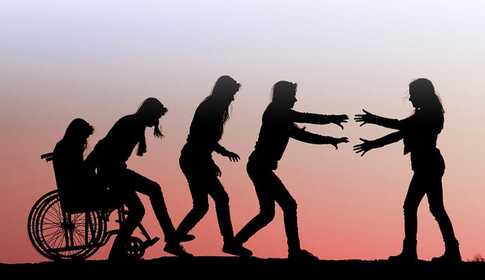
The Role of Physiotherapy in Recovery
Physiotherapy is not a new, alternative method – it has been part of medicine for centuries. The ancient Greeks already knew the beneficial effects of massage and hydrotherapy, and modern physiotherapy combines that knowledge with 21st-century technology: it supports healing with electrical current, laser light, and magnetic fields. In this article I show how these methods work, when they are needed, and how you can use them at home as a complement to specialist medical treatment. This article is a comprehensive guide to physical therapy methods and their home applications.

What is physiotherapy?
Physiotherapy is the branch of medicine that supports healing using physical effects. Not with drugs, not with surgery, but with natural energies: electrical current, light, sound, heat, and mechanical forces.
This is not some new, alternative approach. Physiotherapy has been part of medical science for centuries. The ancient Greeks already knew the beneficial effects of massage and hydrotherapy. Modern physiotherapy combines that knowledge with 21st-century technology.
Physiotherapy and therapeutic exercise (physiotherapeutic exercise) are not the same, although they are often mixed up. Therapeutic exercise heals by movement – with exercises and training. Massage is also a physiotherapeutic method.
Physical therapy is a smaller subgroup within physiotherapy. It treats with physical energies provided by modern technology – electrical current, light, and magnetic fields.
Movement, massage and natural energies ideally complement each other.
How does the healing energy work?
Every cell in your body is energy. Nerve cells transmit electrical impulses, muscles contract in response to electrical signals, and the metabolism of your tissues is a process of energy conversion. Physiotherapy builds on this fundamental fact.
When you apply electrical current to your body, the nerve cells respond. Certain frequencies block pain signals, others trigger muscle contractions. This is not magic – it is a physiological reality.
Light therapy works similarly. Your cells’ photoreceptors detect light and convert the energy into biochemical processes. Soft laser, for example, increases cellular ATP production, which speeds up regeneration.
The point: physiotherapy does not work against nature, but supports natural healing processes.
Main physical therapy methods
Only the most well-known methods are mentioned in this article
Electrotherapy
Treatment with electrical current is one of the oldest and most thoroughly researched areas of physiotherapy.
TENS (transcutaneous electrical nerve stimulation): The primary goal of TENS is pain relief. Electrical impulses act through the nervous system, blocking pain signals. A 2022 meta-analysis that analyzed 381 clinical trials found moderate evidence that TENS can reduce pain intensity in both acute and chronic pain.
EMS (electrical muscle stimulation): EMS stimulates the muscles directly, causing muscle contractions. It can be useful for strengthening muscles, preventing muscle atrophy, and supporting rehabilitation.
Interference therapy: By crossing two currents of different frequencies, it reaches deeper tissues. It is used for improving circulation and pain relief.
Light therapy
Soft laser (LLLT – Low Level Laser Therapy): Low-intensity laser influences cellular-level processes. Research suggests it can positively affect tissue regeneration and reduce inflammation. It is mainly used for chronic pain, joint problems and sports injuries.
Magnetic therapy
PEMF (pulsed electromagnetic field): Magnetic therapy uses a pulsed magnetic field. Some studies indicate it may improve circulation and support the regeneration of bony tissues. It is mainly applied for osteoporosis, fracture healing and chronic pain.
Ultrasound therapy
Therapeutic ultrasound treats deeper tissues with sound energy. The sound waves generate heat and produce a micro-massage effect. It is used for joint problems, muscle tension and scar tissue treatment.
Compression therapy
Compression therapy supports lymphatic and venous circulation with mechanical pressure. It can be particularly effective for leg swelling, lymphedema and chronic venous insufficiency.
When is physiotherapy needed?
Physiotherapy can be applied in many situations. The most common indications:
Musculoskeletal complaints
- Chronic low back and neck pain
- Joint problems (knee, shoulder, hip)
- Muscle tension, muscle cramps
- Tendinitis, bursitis
Rehabilitation
- Postoperative recovery
- Post-stroke rehabilitation
- Recovery after sports injuries
- Recovery after accidents
Circulatory problems
- Chronic venous insufficiency
- Lymphedema
- Leg swelling
Neurological conditions
- Peripheral nerve damage
- Neuropathic pain
Physiotherapy at home: possibilities and limitations
Traditional physiotherapy is performed by a professional using specialized equipment in controlled conditions. But what can you do if you can only get to the clinic once a week while your symptoms occur every day?
Home physiotherapy devices are the answer to exactly this problem. Modern devices are safe, easy to use, and allow for daily treatment.
What can you do at home?
- TENS treatment: Daily pain relief
- EMS treatment: Muscle strengthening, maintaining muscle tone
- Soft laser therapy: Treating local problems
- Compression therapy: Improving lymphatic circulation
- Magnetic therapy: Chronic pain, circulatory problems
What cannot be replaced?
It is important to understand: home devices do not replace complex treatments performed by a professional. Diagnosis, creating a treatment plan, and monitoring progress – these are all within the competence of a specialist.
Home physiotherapy is a complement to specialist medical treatment, not a replacement.
Related article: What is home medical technology for?
Before you start treatment
For safe use, it is important to know the contraindications. If any of the conditions below apply to you, consult your treating physician before using the device.
When NOT to use electrotherapy devices?
Do NOT use the device if you have:
- An implanted pacemaker or defibrillator
- A history of epilepsy or seizures
- Pregnancy (in the abdominal and lower back area)
- Cardiac arrhythmias under treatment
- Active thrombosis or thrombophlebitis
- An open wound or infected skin on the treated area
- A malignant tumor in the area to be treated
When NOT to use laser devices?
Do NOT use the laser device if:
- You have a malignant disease (especially in the area to be treated)
- You are pregnant (directly over the fetus)
- You take photosensitizing medication
- There is active bleeding in the treated area
NEVER point it at your eyes!
Use with caution
Seek medical advice if:
- You have heart disease
- You are diabetic
- You have reduced sensation in the treated area
- There is a metallic implant in your body
Possible side effects
When used correctly, devices are safe, but the following may occur:
Common, temporary reactions:
- Mild redness on the treated area (usually disappears within minutes)
- Temporary muscle fatigue sensation after treatment
Less common reactions:
- Skin irritation (under electrodes/applicators)
- Mild headache
If you experience any persistent or unusual symptoms, stop the treatment and consult your physician.
What can you realistically expect from the treatment?
Let’s be honest: physiotherapy is not magic. It will not solve decades-old problems overnight. Improvement is gradual and depends on the severity of the condition, treatment regularity, and individual response.
What you can realistically expect:
- Short term (days): Many people feel temporary relief after the first treatments
- Medium term (2–4 weeks): Regular use can lead to more lasting improvement
- Long term (months): Treating chronic conditions requires ongoing attention
Research shows that the effectiveness of physiotherapy treatments largely depends on treatment intensity and regularity. Daily or near-daily treatment generally achieves better results than a single weekly session.
Summary – Quick overview
What is this article? A comprehensive guide to the theoretical background of physiotherapy, its methods and options for home use.
Who is it for? People with musculoskeletal complaints, those who have undergone rehabilitation, people living with chronic pain, and anyone interested in physiotherapy.
Main message: Physiotherapy uses physical energies (electrical current, light, magnetic field) to support natural healing processes. Home devices make regular, daily treatment possible as a complement to specialist care.
Comparison of therapeutic methods:
| Method | Main effect | Typical treatment time |
|---|---|---|
| TENS | Pain relief | 20–30 minutes |
| EMS | Muscle strengthening | 15–25 minutes |
| Soft laser | Tissue regeneration | 5–10 minutes / area |
| Magnetic therapy | Improves circulation | 20–40 minutes |
| Compression | Lymphatic circulation | 30–45 minutes |
Frequently asked questions
What is the difference between physical therapy and therapeutic exercise?
Therapeutic exercise heals by movement (exercises, training), while physical therapy uses physical energies (electricity, light, magnetic field). The two complement each other.
How often can I use home devices?
Most devices can be used 1–2 times a day. Follow the recommended treatment times and start at lower intensity.
When can results be expected?
Many people feel relief after the first treatments. For lasting improvement, 2–4 weeks of regular use is typically required.
Can I use them alongside medication?
Generally yes, but if you take certain medications (e.g. blood thinners, photosensitizing drugs), consult your doctor.
Sources
- Johnson MI, et al. (2022). Efficacy and safety of transcutaneous electrical nerve stimulation (TENS) for acute and chronic pain in adults: a systematic review and meta-analysis of 381 studies (the meta-TENS study). BMJ Open. PubMed: 35144946
- Vance CG, et al. (2022). Using TENS for Pain Control: Update on the State of the Evidence. Pain Management. PMC: 9611192
- Pollock A, et al. (2019). Transcutaneous electrical nerve stimulation (TENS) for chronic pain – an overview of Cochrane Reviews. Cochrane Database Syst Rev. PMC: 6446021
- Gallotti M, et al. (2023). Effectiveness and Consequences of Direct Access in Physiotherapy: A Systematic Review. J Clin Med. PubMed: 37762773
The information in this article is for guidance only. Home therapeutic devices are intended to complement medical treatment. If you have complaints, consult your doctor.