
 Heel spur – devices for treating heel bone pain
A heel spur is a bony growth on the heel bone. It develops where tendons and ligaments attach to the heel bone. It is caused by chronic inflammation at these attachment points – typically as a result of excess weight, running long distances, or walking on hard ground in shoes without heel cushioning. Plantar heel spurs (at the plantar fascia) and posterior heel spurs below the Achilles tendon are the most common. Pain caused by a heel spur is unpleasant and persistent. It can last a long time because walking works against recovery. Home physiotherapy devices may help reduce inflammation and pain.
 We treat the inflammation, not the bony growth
Important: the aim of treatment is not to remove the bony growth, but to reduce the inflammation and pain behind it – the symptoms are caused by the inflammation, not by the bone itself. In addition, tight calf muscles are often behind a heel spur. They increase the pulling force acting on the heel, so relaxing the calf is also part of treatment. From a treatment-strategy point of view, it makes little difference whether the bony growth is already visible on an X-ray – reducing the inflammation is the priority.
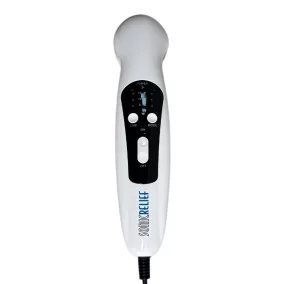


The SonicRelief device emits a 1 MHz therapeutic ultrasound beam used to treat musculoskeletal (tendon, ligament, muscle) inflammations, injuries and degenerative conditions.
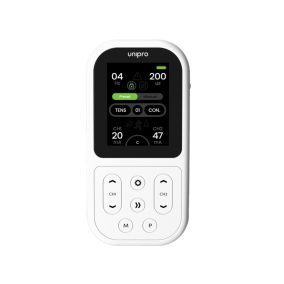
The UniPro is a two-channel, multifunctional electrotherapy device providing TENS, EMS, microcurrent and interferential (IF) treatments.
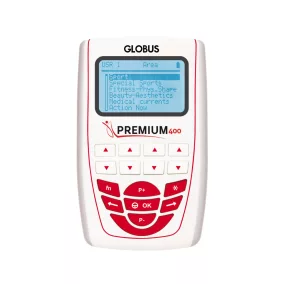


Premium 400 multifunctional electrotherapy device. TENS / EMS / MCR-MENS / FES / iontophoresis. Specialized programs: running, cross-country skiing, combat sports, tennis, football, cycling. 4 channels, battery operated.
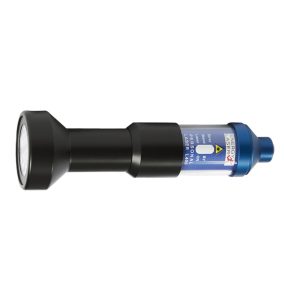


Personal-Laser L400 infrared soft-laser for point treatments. 400 mW continuous output, 808 nm laser beam. Delivers 4 Joules of energy in 10 seconds. Laser diode lifetime 10,000+ hours.



Genesy 300 Pro multifunctional electrotherapy device. TENS / EMS / MCR-MENS / FES / iontophoresis. 4 channels, battery-powered.
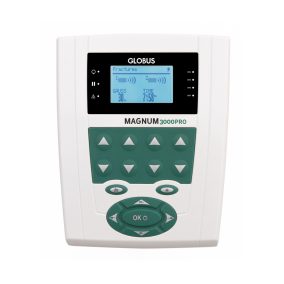


Magnetic therapy (PEMF) device. 2 channels / 400 Gauss total magnetic intensity. 70 programs
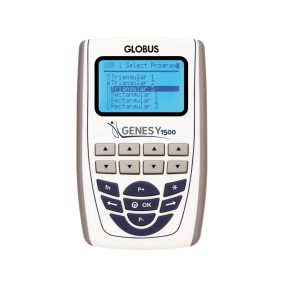


The Globus Genesy 1500 — one device for hundreds of complaints.
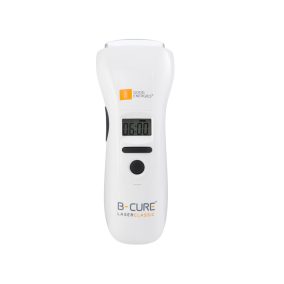


Easy-to-use 808 nm, 250 mW low-level laser device. Treats a 4.5 × 1 cm area at once. About 6 minutes per treatment point. Prism technology — safe to use without protective goggles when used as intended.
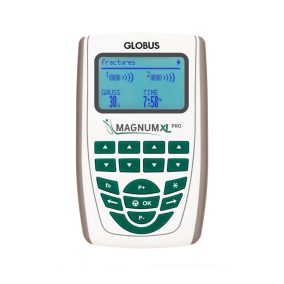


Pulsed electromagnetic field (PEMF) device. 2 channels / 400 Gauss total magnetic intensity. 46 programs. For home use.
 Which methods may be suitable, and which device should you use?
Several physiotherapy methods can be used to treat a heel spur at home. Each may be helpful on its own, but combining them usually gives the most favourable result. The aim is to reduce inflammation and pain, and to reduce the pulling force acting on the heel by relaxing the calf and reducing the load. Let’s look at the devices.
Soft laser is one of the better-researched home methods for musculoskeletal complaints, including heel spurs. The light penetrates the tissues and acts at cellular level. It may reduce inflammation and pain and support the regeneration of inflamed tissue. It is best to direct the device at the most painful point, on the plantar or posterior part of the heel. You can read more about the method and the treatment points for the heel on a separate page.
Microcurrent (MENS) may support the regeneration of inflamed cells as well as relieving pain. It may therefore also act on the underlying cause. Place the electrodes around the painful area. TENS provides fast, drug-free pain relief, but it is important to know that this is symptomatic treatment and does not affect inflammation. Multifunctional devices (Genesy 300 Pro, Premium 400 and the sport-programme Pro versions) offer both functions in one device.
The mechanical vibrations of therapeutic ultrasound are absorbed in the tissues and improve local circulation. This may support the reduction of inflammation in the deeper tissues of the heel. Important: ultrasound cannot be applied without limits. You need to know the rules for treatment time and intensity, so follow the device instructions and seek professional advice. It is generally used as a course of treatment.
Alternating cooling and heating improves circulation and supports processes that reduce inflammation. It can be carried out conveniently with a hot-and-cold device designed for treating the foot. Pulsed magnetotherapy (PEMF), for example with the Magnum series, may support the reduction of inflammation. Place the magnetic coil around or under the heel. Finally, relaxing tight calf muscles through muscle stimulation, stretching or a stretching device reduces the pulling force acting on the heel. This is an important part of preventing recurrence.
 Combining methods is most useful – and reducing the load is essential
In physiotherapy practice, combining methods is recommended: cooling and heating, ultrasound, soft laser and stretching exercises used together. But no device is enough if the strain that caused the problem continues. Heel cushioning with an insole or heel insert, suitable shoes, and reducing overuse and excess weight are the foundation. Among the devices, multifunctional electrotherapy devices (Genesy, Premium 400) offer microcurrent and TENS in one unit. Soft laser and ultrasound are separate devices. You do not need to buy everything at once.
 Important information
A heel spur can cause persistent symptoms because walking works against recovery. This is why reducing the load and continuing treatment patiently are particularly important. The devices presented here are complementary treatments and do not replace a medical examination. Heel pain is not caused only by a heel spur. Other possible causes include plantar fasciitis, Achilles tendinitis and joint problems. If symptoms persist or are severe, consult a doctor to clarify the cause. If conservative treatment does not produce results, clinical physiotherapy, such as shockwave therapy, or, rarely, surgery may be considered. A specialist will decide this. Electrotherapy, ultrasound and soft laser devices also have contraindications, such as a pacemaker, pregnancy, a tumour in the treatment area or fever.
 Would you like to learn more?
Dr. Zsolt Zátrok explains heel spurs in detail in an article, from how they develop to specific home treatment and calf-relaxation exercises: Causes and home treatment of heel spurs →. Soft-laser treatment for heel pain, heel spurs, the Achilles tendon and plantar fascia: Soft laser for heel pain →. If your pain is mainly in the sole of the foot and is caused by plantar fasciitis, you can find the relevant devices on a separate page: Treatment of plantar fasciitis →
Frequently asked questions
No – and it is important to know that this is not necessary. The symptoms are caused not by the bony growth itself, but by the inflammation behind it. The aim of treatment is therefore to reduce inflammation and pain, not to remove the bone. From a treatment-strategy point of view, it makes little difference whether the growth is already visible on an X-ray. The important thing is to reduce the inflammation and the pulling force acting on the heel.
Start by reducing inflammation and relieving pain. Soft laser, microcurrent and ultrasound target the inflamed attachment point, while TENS relieves pain. A multifunctional device (Genesy 300 Pro, Premium 400) offers microcurrent and TENS in one unit. At the same time, the quickest free step is to reduce the load: use a heel insert, wear suitable shoes and avoid overuse. Relaxing a tight calf is also important for lasting improvement.
The two are closely related and often occur together. Plantar fasciitis is inflammation of the band of connective tissue that supports the sole of the foot. If it persists, a bony growth – a heel spur – may develop on the heel bone over time. The symptoms and treatment are largely the same: reducing inflammation, relieving pain, relaxing the calf and reducing the load. A medical examination, and sometimes an X-ray, will clarify the exact cause. This determines which condition is behind the symptoms.
A heel spur can cause persistent symptoms. Recovery often takes months because everyday walking works against recovery. Patience and persistence are essential. Continue reducing the load and applying treatment consistently. If symptoms do not improve despite treatment, or become worse, see your doctor to discuss further options, such as shockwave therapy in a clinic.
The medical effect of static magnets, such as bracelets and magnetic insoles, has not been established. What may be effective is pulsed electromagnetic field (PEMF) therapy produced using electric current. A conventional cushioned heel insert can still be useful for another reason. It is not acting as a magnet. It eases symptoms during walking by distributing pressure and cushioning the heel.

