

TENS device specialised for pain management
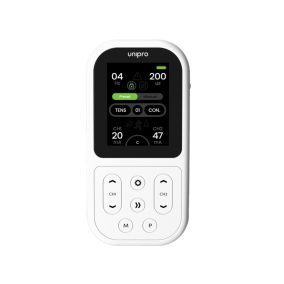
The UniPro is a two-channel, multifunctional electrotherapy device providing TENS, EMS, microcurrent and interferential (IF) treatments.



Premium 400 multifunctional electrotherapy device. TENS / EMS / MCR-MENS / FES / iontophoresis. Specialized programs: running, cross-country skiing, combat sports, tennis, football, cycling. 4 channels, battery operated.
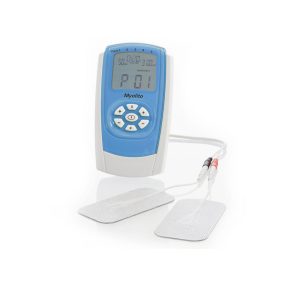
Myolito electrotherapy device with TENS, EMS and FES (incontinence) programs
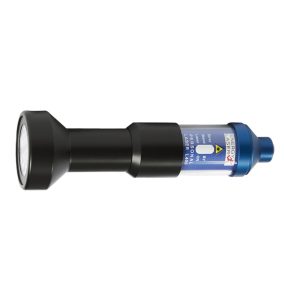


Personal-Laser L400 infrared soft-laser for point treatments. 400 mW continuous output, 808 nm laser beam. Delivers 4 Joules of energy in 10 seconds. Laser diode lifetime 10,000+ hours.



Genesy 300 Pro multifunctional electrotherapy device. TENS / EMS / MCR-MENS / FES / iontophoresis. 4 channels, battery-powered.



Magnetic therapy (PEMF) device. 2 channels / 400 Gauss total magnetic intensity. 70 programs



The Globus Genesy 1500 — one device for hundreds of complaints.
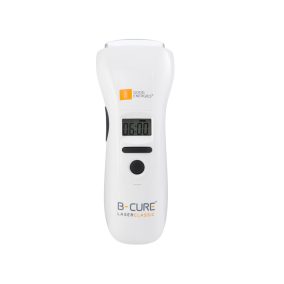


Easy-to-use 808 nm, 250 mW low-level laser device. Treats a 4.5 × 1 cm area at once. About 6 minutes per treatment point. Prism technology — safe to use without protective goggles when used as intended.
The term “lumbago” is commonly used to refer to low back pain. Lumbago is extremely common, affecting as many as one in three adults. The pain it causes can be so intense that it impedes movement.
What Is Lumbago and What Causes the Pain?
In an upright posture, your body weight presses down on your spine. The greatest strain is placed on the lumbar–sacral section of the spine. This is why disorders of this spinal section are the most frequent.
Due to the predominance of sedentary work and the lack of regular exercise, the muscles supporting your spine have also weakened. Weak muscles fail to hold the vertebrae in place, resulting in increasing pressure on the intervertebral discs and the nerves that exit the spinal cord through the spaces between vertebrae. With a sudden movement, a nerve fiber can become “pinched,” causing severe lower back pain that makes it impossible to move — this is lumbago.
The frequency of pain generally increases with age, but even among those in their forties and fifties, there are people who struggle with the excruciating pain caused by lumbago.
Treatment Strategy for Lumbago

