
Who and what is the IontoBravo good for?
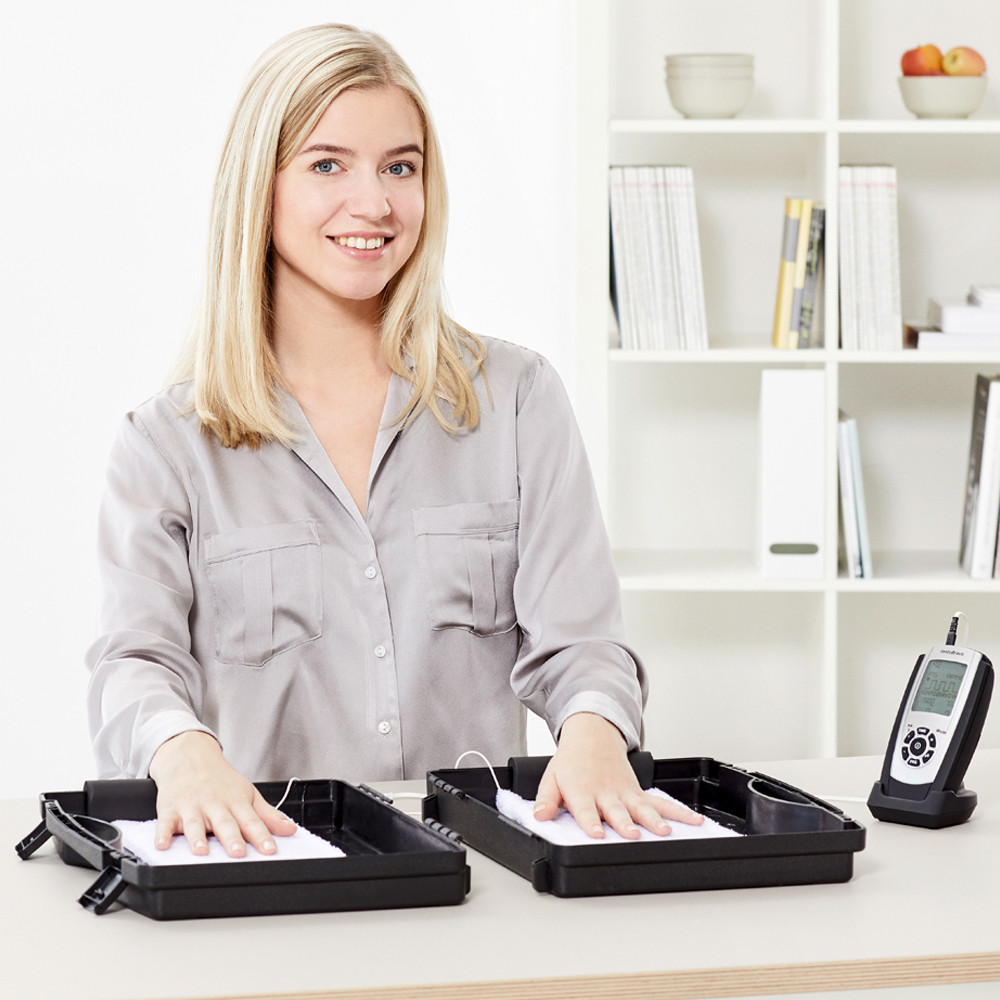
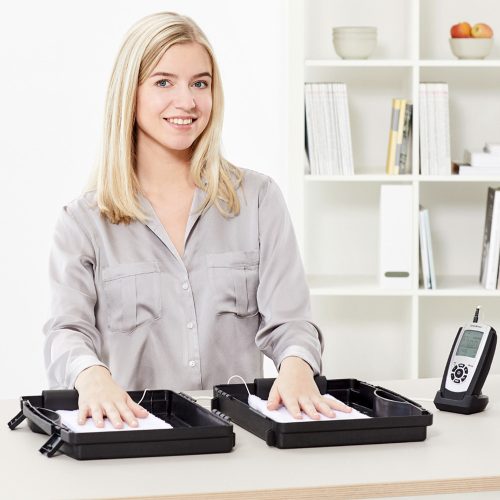
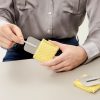
Palmar excessive sweating is the most common form of hyperhidrosis and can make life difficult: handshakes, paperwork, using a phone or computer mouse can all become problematic. Tap water iontophoresis is worth trying before surgical sympathectomy or botulinum toxin injections – it is non-invasive and can be done at home. Initially daily or every other day, later 1–2 maintenance treatments per week can produce significant reductions in clinical trials.
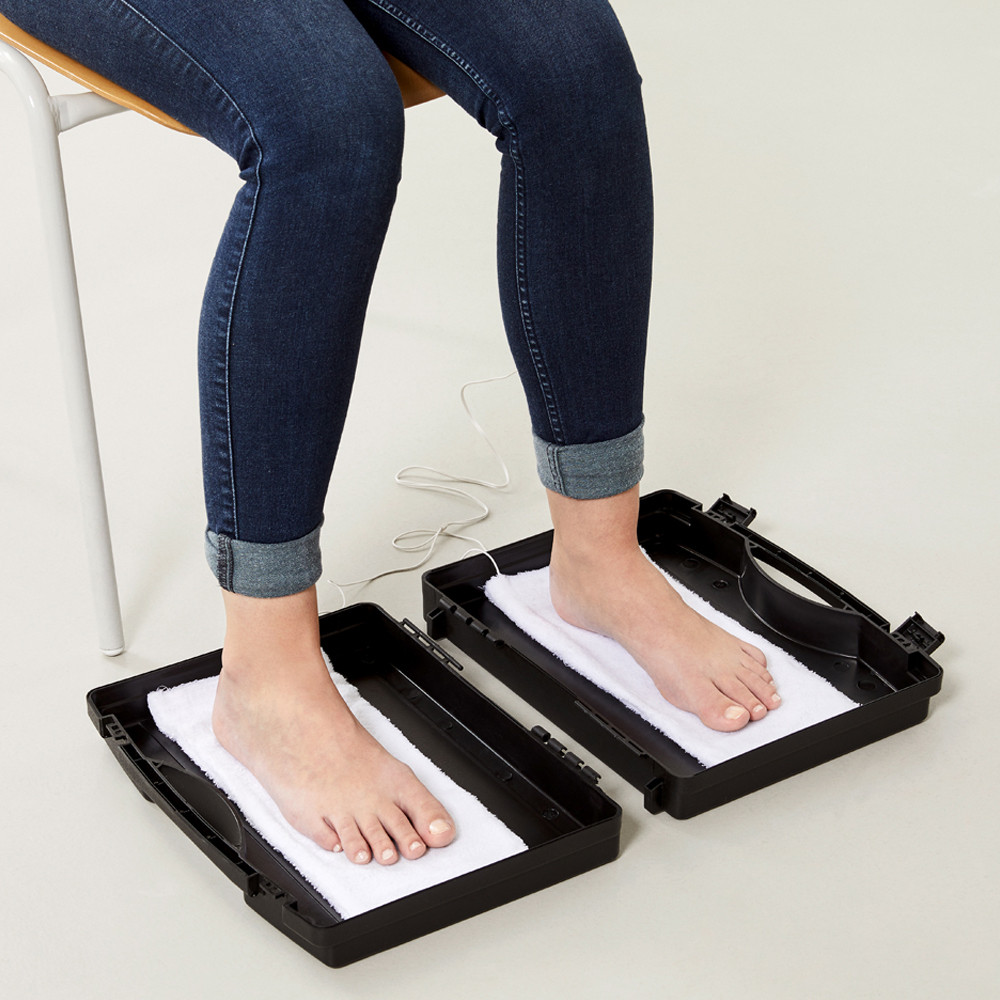
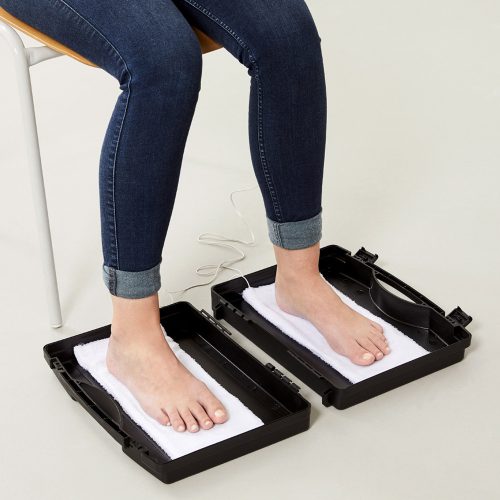
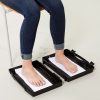
Plantar excessive sweating often causes not only discomfort but secondary skin problems (fungal infection, irritation). Soaked shoes, unpleasant odors and slippery feeling are daily issues. IontoBravo treatment can effectively address this problem at home and discreetly.
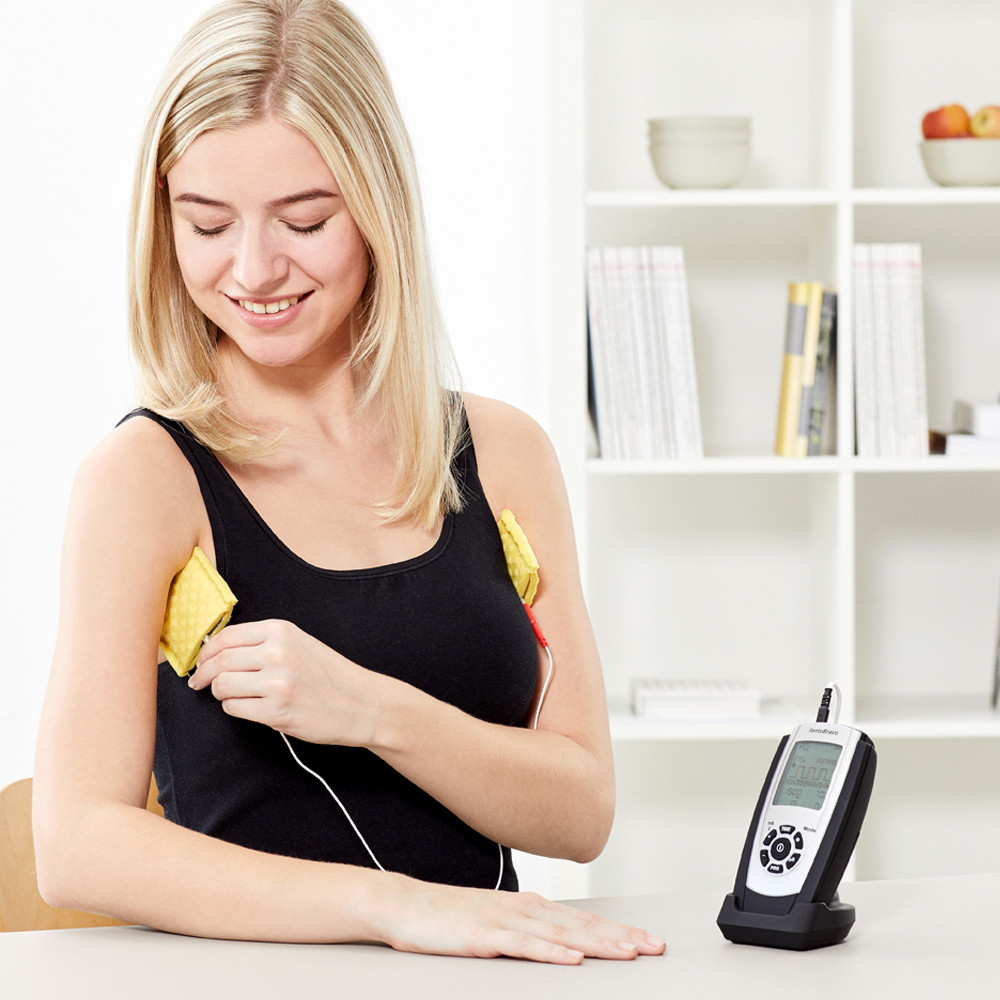
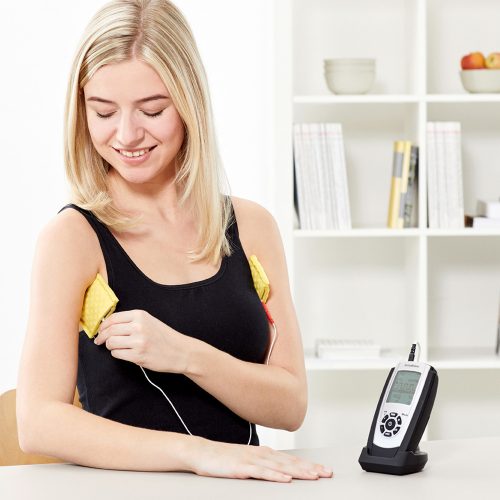
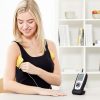
Axillary hyperhidrosis can be particularly embarrassing in business or social situations, even in cold weather when sweat stains appear on clothing. IontoBravo can be applied to the underarm with special electrodes. The treatment works on the same principle; only the anatomical placement differs.
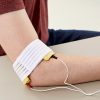
Chronic joint inflammation – osteoarthritis, rheumatoid arthritis, sports-related joint inflammation – is painful and often controlled only with medication. Traditional iontophoresis allows deeper delivery of anti-inflammatory gels (e.g. diclofenac, ketoprofen) through the skin: not only on the surface layer but, according to scientific literature, potentially reaching joint tissues. Start with sports physician or rheumatologist consultation.
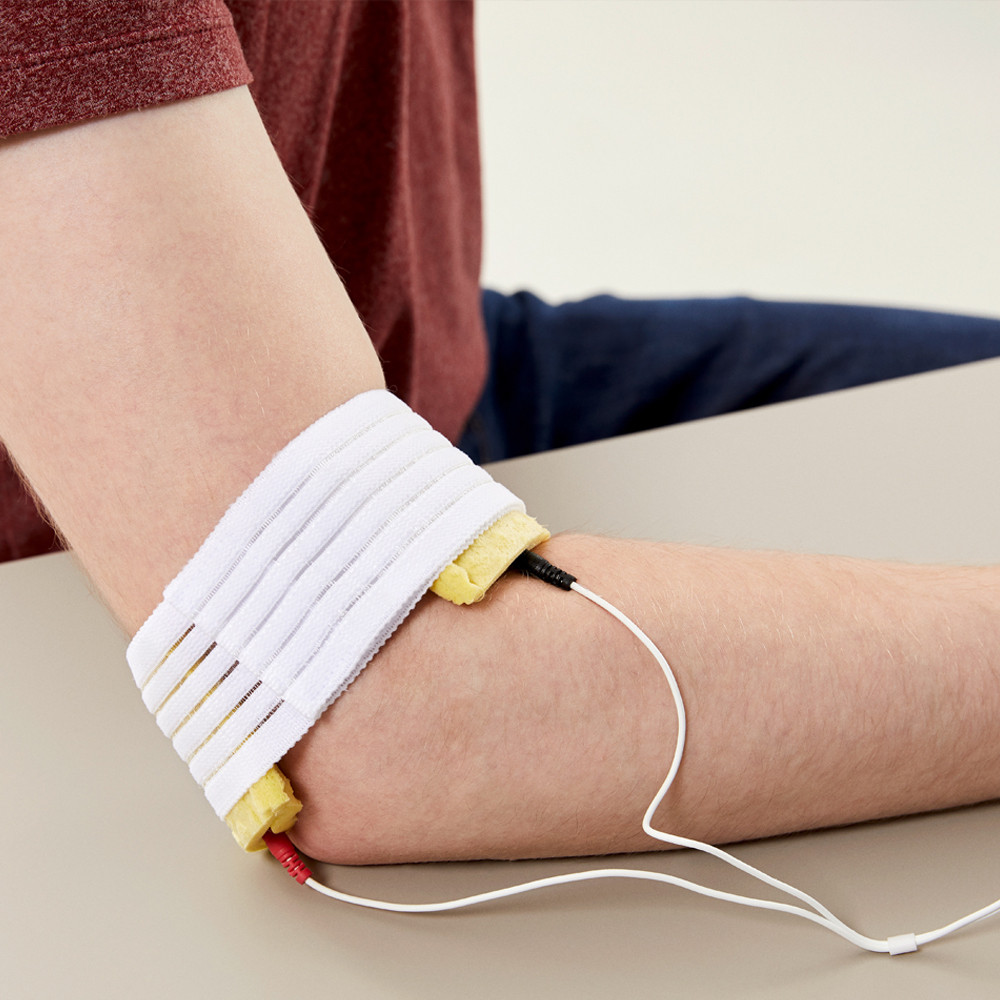
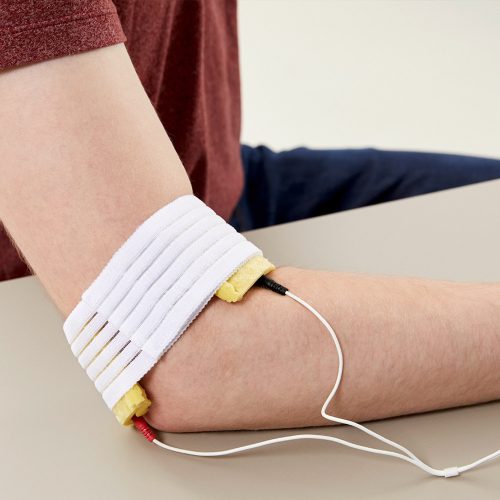
Chronic tendinopathies (tennis elbow, golfer’s elbow, Achilles tendinitis, patellar tendon inflammation) are particularly stubborn. With traditional iontophoresis the anti-inflammatory agent can be delivered directly to the affected tendon area according to a protocol set by a sports physician. Combine with training correction and stretching/strengthening exercises for a comprehensive approach.
For sprains, partial tears, or joint sprains, in addition to classic treatment (rest, ice, NSAIDs), iontophoresis can be a supplementary tool. Home-targeted agent delivery may support healing phases – if approved by your sports physician.
Iontophoresis can be used in some cases of Peyronie’s disease (penile curvature) under physician recommendation – delivering verapamil or other agents. THIS MUST ALWAYS follow a urologist’s specialist protocol; never start such treatment on your own. IontoBravo has appropriate parameters (DC mode, adjustable intensity), but drug selection and protocol are strictly medical responsibilities.
The dual function is precisely for you: you don’t need a separate DermaDry (hyperhidrosis only) and a separate iontophoresis device for joint complaints. IontoBravo offers both functions in one device, optimized for dual use. This is particularly attractive in terms of value if you need both treatment types.
What can you use it for – details of the two functions
IontoBravo covers two different iontophoresis purposes in a single device: hyperhidrosis (tap water) and joint complaints (medicated). Each function requires its own preparation and protocol.
Tap water iontophoresis is a needle-free, drug-free solution for treating excessive palmar, plantar or axillary sweating. A mild electrical current is passed through the skin via tap water. Studies suggest this process temporarily influences sweat gland function.
Treatment protocol:
- Initial phase (1–4 weeks): daily or every other day, 15–20 minutes/session.
- Maintenance phase: 1–2 times weekly, 15–20 minutes/session.
- PC (pulsed) mode: more comfortable, less irritating than DC.
- Current: start from 5–10 mA, gradually to a comfortable level.
Effects are not immediate – improvement is usually felt after 2–4 weeks of regular treatment, with full effect by 6–8 weeks. Clinical studies report that the majority of patients (60–80%) experience significant reductions in palmar/plantar sweating.
In traditional iontophoresis, electrical current helps deliver anti-inflammatory agents (NSAIDs: diclofenac, ketoprofen) transdermally directly to the painful area. The advantage: the agent bypasses the digestive system, reducing gastric or hepatic load, and can reach higher concentrations in the target tissue.
Indications:
- Joint inflammations (knee, shoulder, elbow, wrist)
- Chronic tendinopathies (tennis elbow, Achilles tendon, patellar tendon)
- Post-sports injury recovery
- Peyronie’s disease (under urologist supervision)
- Chronic osteoarthritis pain
Treatment protocol: Use DC (continuous) mode, set current per physician/physiotherapist recommendation. Treatment time 15–20 minutes. Frequency is set by the sports physician or rheumatologist according to complaint type.
DC (direct current): constant polarity current, effective for drug delivery. Recommended for traditional (medicated) iontophoresis. May be somewhat more irritating than PC in some cases.
PC (pulsed current): current acts in pulses. More comfortable and less irritating – recommended for tap water iontophoresis (hyperhidrosis). Research suggests similar effectiveness to DC for hyperhidrosis treatment, but better tolerability.
General recommendation: PC for hyperhidrosis, DC for medicated joint iontophoresis. However, your treating physician or physiotherapist may recommend differently for individual cases.
The mineral content of tap water varies by location. If your tap water is too soft (low conductivity), the current will not flow properly through the skin. Solutions:
- Add 1 teaspoon of baking soda per tray – increases conductivity.
- Use bottled mineral water – usually has sufficient mineral content.
- DO NOT use softened or distilled water – it will not work!
If unsure, test: if you feel absolutely no tingling during treatment and the display current does not stabilize, the water conductivity is likely too low.
Both devices are CE-certified and suitable for tap water iontophoresis. The choice depends on individual needs:
IontoBravo advantages:
- Dual function: tap water + medicated iontophoresis (joint treatment)
- Both DC and PC modes
- Usable by athletes for post-injury recovery
DermaDry advantages:
- Automatic polarity switching (more convenient)
- Purely hyperhidrosis-focused, simpler user interface
Choose IontoBravo if: you have joint complaints in addition to hyperhidrosis, or you are an athlete. Choose DermaDry if: your goal is only tap water iontophoresis and you want automated polarity switching.
Frequently asked questions
No. A pacemaker, implanted defibrillator (ICD), any electronic implant, metallic implant in or near the treated area, and metal-containing intrauterine device (IUD) are absolute contraindications. Iontophoresis current can interfere with the implant’s function or cause galvanic reactions on metal surfaces. If you have such a device, do not use the device under any circumstances.
NO. Iontophoresis must NOT be used during pregnancy or when pregnancy is possible. This applies to both hyperhidrosis treatment and medicated iontophoresis – regardless of being non-invasive, it should be avoided to protect the developing fetus.
Most commonly diclofenac (e.g. Voltaren) or ketoprofen (e.g. Fastum) gels are used for anti-inflammatory purposes. In some cases dexamethasone or steroid agents are used – but that is strictly medical territory. The specific drug choice MUST ALWAYS be preceded by sports physician, rheumatologist or physiotherapist consultation. Over-the-counter NSAID gels are freely available, but optimal type, concentration, polarity setting and treatment duration require a professional.
DC (direct current): constant polarity current. Recommended for traditional (medicated) iontophoresis because it is more effective for drug delivery. It can be slightly more irritating.
PC (pulsed current): current acts in pulses. More comfortable and less irritating – recommended for tap water iontophoresis (hyperhidrosis). Research indicates similar effectiveness between the two modes for hyperhidrosis treatment, but PC is generally better tolerated.
Rule of thumb: PC for hyperhidrosis, DC for medicated joint treatments. Your treating physician or physiotherapist may recommend otherwise for individual cases.
Yes, the device is suitable for both types of iontophoresis, but only one therapy type can be performed per treatment session. The two types require different preparation, mode and intensity. For example: morning tap water iontophoresis for the palms (15–20 min), evening medicated iontophoresis for the knee (15–20 min). Or hyperhidrosis treatment daily during the week and joint treatment at weekends.
It is not painful. You will feel a mild tingling during the treatment – this is normal and indicates the current effect. If you experience an unpleasantly strong or stinging sensation, reduce the current. PC mode is generally more comfortable than DC. Many patients are surprised at how gentle the procedure is compared to needle injections or surgical sympathectomy.
Typical protocol:
- Initial phase (1–4 weeks): daily or every other day, 15–20 minutes/session. This builds the effect.
- Transition (4–8 weeks): 3 times weekly, 15–20 minutes/session. The effect stabilizes.
- Maintenance (ongoing): 1–2 times weekly, 15–20 minutes/session to preserve improvement.
If symptoms return during maintenance, consider returning briefly to the more intensive (3+ weekly) protocol. Full effect is reached after 6–8 weeks.
Side effects of iontophoresis are typically mild and transient:
- Mild skin redness, irritation – usually resolves quickly after treatment.
- Tingling, mild stinging – normal, due to the current.
- Temporary increased sweating – may occur after the first few treatments, then normalizes.
- Skin dryness – use moisturizer after treatments.
- Small blisters – with too high current; reduce intensity in such cases.
If side effects persist or worsen, stop treatment and consult your physician.
How to use it step by step?
1
Power preparation (AA batteries or mains adapter)
IontoBravo runs on 2 AA batteries or the supplied mains adapter. For long daily use the mains adapter is recommended; for occasional or mobile treatments battery operation is fine. Remove batteries if not used for a long time.
2
Choose function (tap water or medicated)
Decide what you want to treat: hyperhidrosis (tap water iontophoresis, PC mode) or joint complaint (medicated iontophoresis, DC mode). The two types require different preparation.
3
Tap water iontophoresis preparation (for hyperhidrosis)
Fill the treatment trays with lukewarm tap water (about 1–2 cm of water). Check there are no open wounds on the skin – you can cover minor injuries with petroleum jelly. If your tap water is too soft (low conductivity), add 1 teaspoon of baking soda or use bottled mineral water. DO NOT use softened or distilled water!
4
Medicated iontophoresis preparation (for joint complaints)
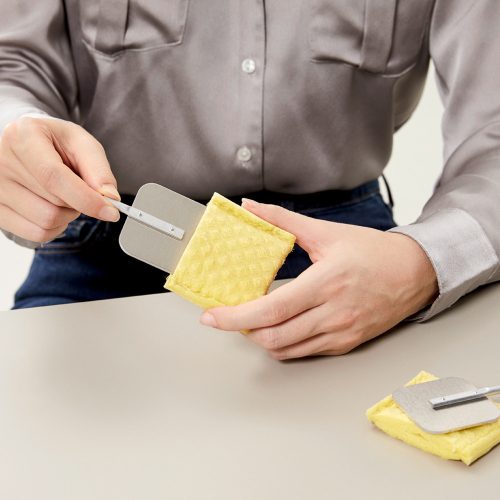
Apply the anti-inflammatory gel (on sports physician/physiotherapist recommendation, e.g. diclofenac or ketoprofen) to the painful area. Place the moist sponge cuff and the electrode over it. Polarity (negative or positive electrode) depends on the agent – the treating physician sets this.
5
Mode selection + intensity setting (0–25 mA)
For hyperhidrosis: PC (pulsed) mode, start at 5–10 mA, gradually increase to a comfortable level. For joint treatment: DC (continuous) mode, set current according to physician or physiotherapist recommendation. A mild tingling at the start is normal.
6
Perform treatment (15–20 minutes) + finish
Treatment duration is 15–20 minutes. For hyperhidrosis keep your hands/feet in the trays; for joint treatment the electrodes are fixed over the painful area. After treatment dry the skin and use a moisturizer. For tap water iontophoresis, initially daily or every other day, later 1–2 maintenance sessions weekly. For joint treatment follow medical protocol.
What’s in the package?
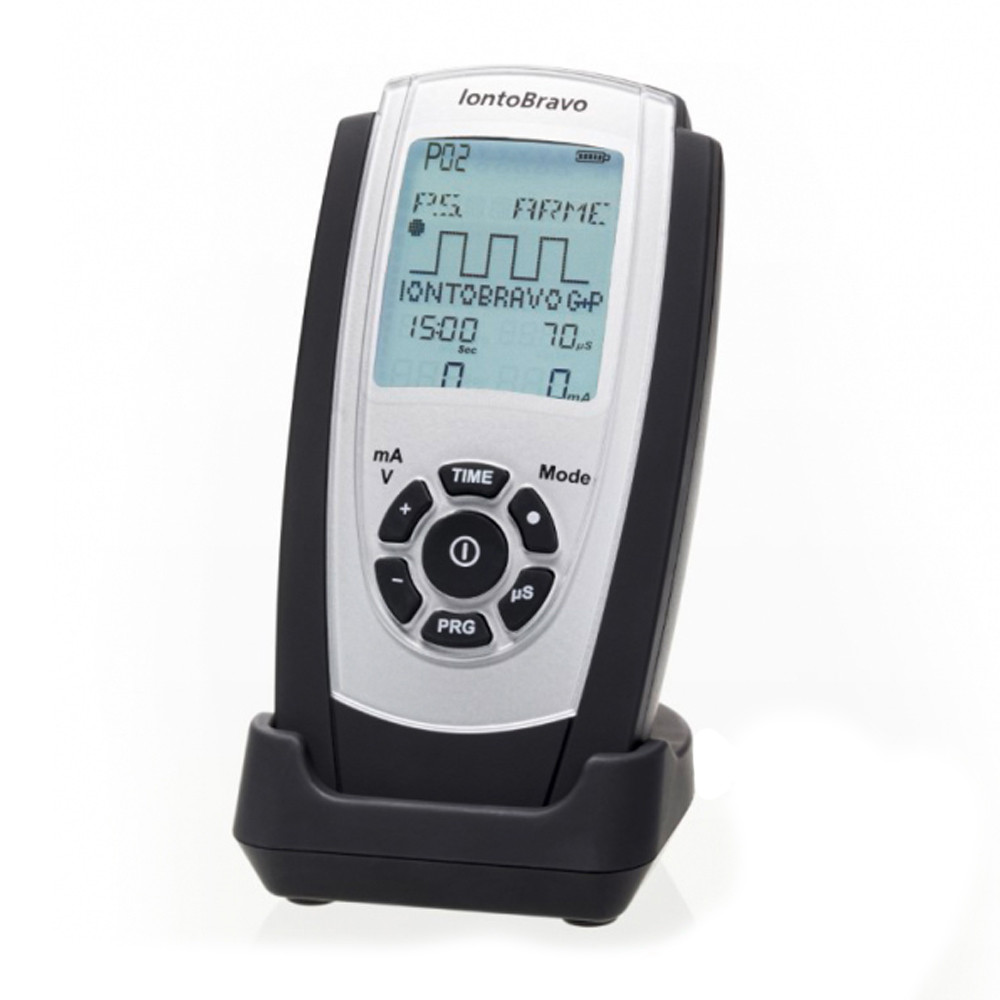
The IontoBravo dual-function package – all necessary accessories for both treatment types.
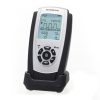
- 1 pc IontoBravo control unit
- 1 set treatment tray + electrode (hand/foot tap water iontophoresis)
- Electrodes for traditional (medicated) iontophoresis
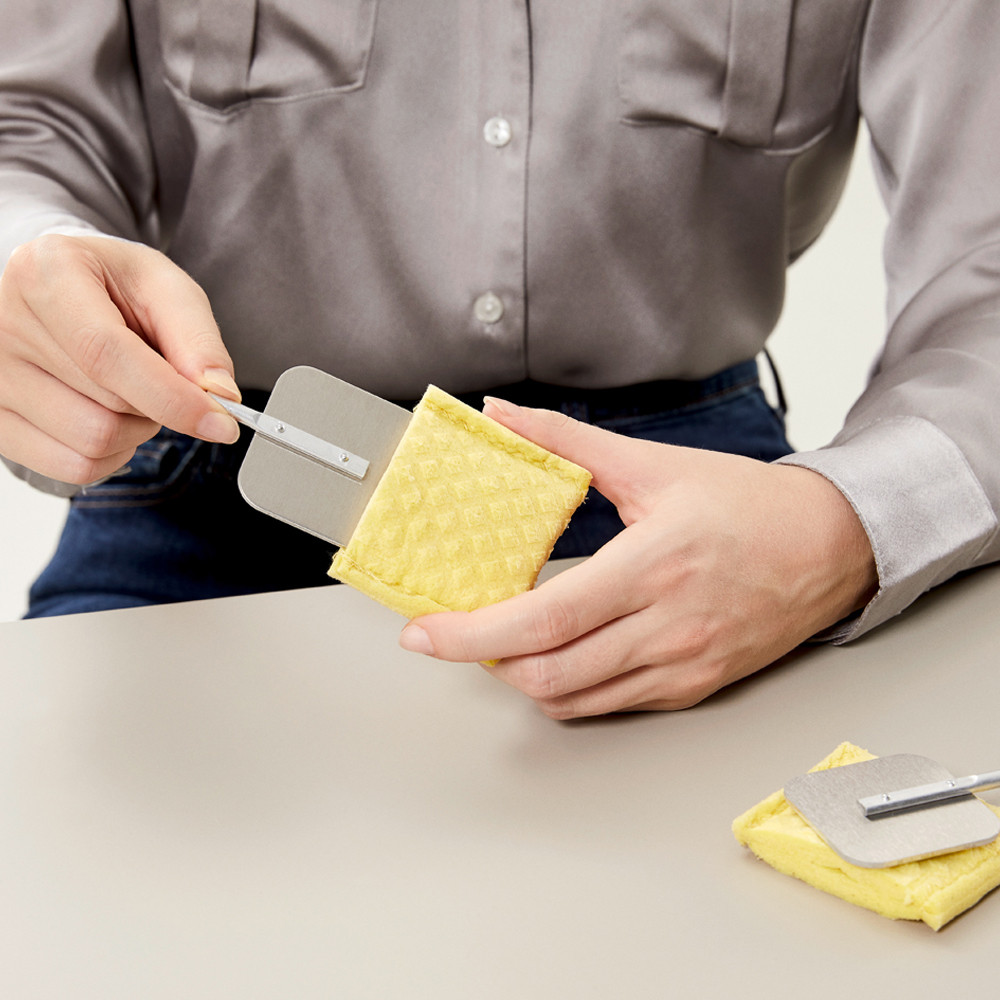
- Sponge cuffs for the electrodes
- Cables
- 2 pcs AA batteries
- 1 pc mains adapter
- 1 pc Hungarian language user manual
Treatment trays: empty the water and dry the trays after each session. Occasionally wash with mild detergent to prevent calcium deposits. Clean thoroughly once a week – vinegar solution removes calcium buildup effectively.
Sponge cuffs (for medicated iontophoresis): rinse with clean water after each use and dry. Replace after prolonged use (available separately).
Electrodes: clean with a damp cloth. Do not use alcohol!
Device: wipe externally with a dry or slightly damp cloth. Clean contact points with a dry cloth.
AA batteries: remove for long periods of non-use. You can switch to rechargeable NiMH.
IontoBravo can be complemented with additional accessories:
- Underarm electrodes: special shape for axillary hyperhidrosis treatment. Available separately in the webstore.
- Spare sponge cuffs: sponge cuffs used for medicated iontophoresis may require occasional replacement.
- Spare electrodes: rubber electrodes may need replacement after prolonged use.
- NiMH rechargeable AA batteries + charger: more cost-effective for long-term daily use.
- Anti-inflammatory gels: diclofenac (Voltaren) or ketoprofen (Fastum) gels – available over the counter at pharmacies, but advisable to use after sports physician/physiotherapist consultation.
Technical specifications – detailed
| Property | Value | What it means for you |
|---|---|---|
| Functions | Tap water iontophoresis + Traditional (medicated) iontophoresis | Two different iontophoresis purposes in a single device |
| Current type | DC (direct) and PC (pulsed) – selectable | PC for hyperhidrosis, DC for medicated joint therapy – flexible choice |
| Current intensity | 0–25 mA (continuously adjustable) | Wide range for comfortable setting |
| Treatment time | 15–20 minutes (adjustable) | Optimal time according to clinical protocols |
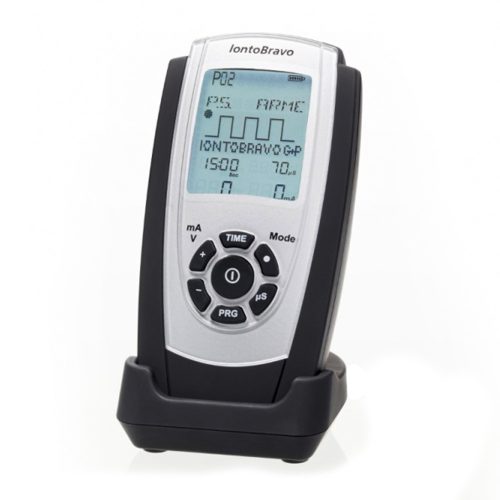
| Display | LCD: current, time, mode | Continuous feedback on treatment status |
| Power supply | 2 AA batteries OR mains adapter (included) | Flexible: for occasional or continuous use |
| Weight | Approx. 1 kg | Stable, desktop treatment device |
| Polarity switching | Manual | Switchable during treatment (or between sessions) |
| Accessories | Treatment trays (hand/foot), electrodes, sponge cuffs, cables | Accessory set suitable for both functions |
| Certification | CE 0123; Class IIa; ISO 13485:2021; MDD 93/42/EEC; EU MDR | European compliance, clinical quality assurance |
| Manufacturer | MTR+ Vertriebs GmbH (Germany) | Manufactured according to German quality assurance standards |
 When NOT to use the IontoBravo?
The following situations may make iontophoresis dangerous or cause side effects. If any apply to you, do not start using the device without consulting your treating physician.
- Wearing a pacemaker, implanted defibrillator (ICD) or any electronic implant
- Metallic implant in or near the treated area (screw, plate, joint prosthesis)
- Metal-containing intrauterine device (IUD)
- Pregnancy or possibility of pregnancy
- Arrhythmia or severe cardiovascular disease
- Epilepsy or previous epileptic seizure
- Open wound, acute infection or large-area skin injury at the treatment site
- Polyneuropathy in the treated area (reduced or absent skin sensitivity – e.g. diabetic neuropathy)
- Active malignant tumor near the treated area
- Acute phlebitis or deep vein thrombosis in the treated limb
- Skin irritation or eczema at the treatment site (avoid until healed)
- Known allergy to the agent to be used (NSAID gel, e.g. diclofenac, ketoprofen)
- Children for unsupervised use (under 12 years only with adult supervision)
Unsure? Consult your treating physician or dermatologist before use – especially with chronic diseases, medication use or any implanted medical device. For hyperhidrosis treatment consult a dermatologist; for joint treatment consult a sports physician or rheumatologist. Detailed information is available in Dr. Zátrok Zsolt’s article on electrotherapy contraindications.
 Important information
IontoBravo is a CE-certified, Class IIa medical device (CE 0123, per EU MDR), suitable for home use. However, its use does not replace medical diagnosis, an individualized physiotherapist protocol, or prescribed medication. The device is intended as a complementary tool alongside existing therapy.
With new or worsening symptoms (e.g. severe rash, increasing pain, sensory loss) always consult your treating physician – iontophoresis does not replace medical evaluation.
Always consult your treating physician or physiotherapist about the use of drugs for traditional iontophoresis (e.g. diclofenac, ketoprofen gels). Although these are available over the counter, correct application, polarity setting and treatment protocol require expert decision-making.
Treatment of Peyronie’s disease with iontophoresis may only be performed under direct supervision of a urologist – never start such treatment independently.
Use only original accessories. Keep the device out of reach of children at all times.
The information on this page is for general guidance and does not replace individual medical advice, diagnosis or treatment. Always consult your treating physician regarding your specific complaints.
Scientific sources
The claims in this description are supported by the following scientific publications:
- Mina R, et al. (2011). Effectiveness of dexamethasone iontophoresis for temporomandibular joint involvement in juvenile idiopathic arthritis. Arthritis Care Res, 63(11):1511-1516. PubMed
- Gratieri T, et al. (2017). Selected Medicines Used in Iontophoresis. Int J Mol Sci, 18(12):2618. PubMed
- Reinauer S, et al. (1993). Iontophoresis with alternating current and direct current offset (AC/DC iontophoresis). Br J Dermatol, 129(2):166-169. PubMed
- Kim DH, et al. (2017). Treatment of Palmar Hyperhidrosis with Tap Water Iontophoresis: A Randomized, Sham-Controlled Clinical Trial. Ann Dermatol, 29(6):728-734. PubMed
- Zeng C, et al. (2020). A Review of Topical Diclofenac Use in Musculoskeletal Disease. Rheumatol Ther, 7(2):211-228. PubMed
- Pariser DM, Ballard A. (2014). Iontophoresis for palmar and plantar hyperhidrosis. Dermatol Clin, 32(4):491-494. PubMed