


Premium 400 multifunctional electrotherapy device. TENS / EMS / MCR-MENS / FES / iontophoresis. Specialized programs: running, cross-country skiing, combat sports, tennis, football, cycling. 4 channels, battery operated.

The UniPro is a two-channel, multifunctional electrotherapy device providing TENS, EMS, microcurrent and interferential (IF) treatments.



Genesy 300 Pro multifunctional electrotherapy device. TENS / EMS / MCR-MENS / FES / iontophoresis. 4 channels, battery-powered.



The Globus Genesy 1500 — one device for hundreds of complaints.
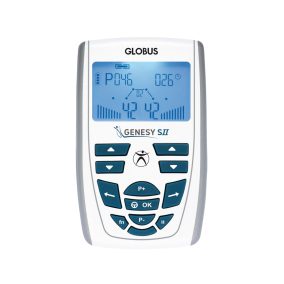


2-channel TENS | EMS | iontophoresis device. 60 types of pain-relief, rehabilitation, iontophoresis and incontinence programs.



Genesy 600 multifunctional electrotherapy device. TENS / EMS / MCR-MENS / FES / iontophoresis / denervated. 4 channels, battery-powered.
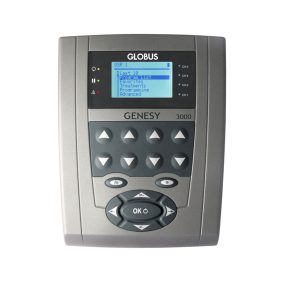


A Globus Genesy 3000 is a single device for hundreds of complaints.
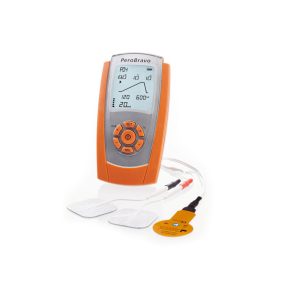
A selective stimulation device specialised for peripheral paralysis (e.g. peroneal or Bell's facial nerve palsy). Optimised for muscles that have lost their motor nerve (denervated muscle). Provides conventional and EMG-triggered stimulation.
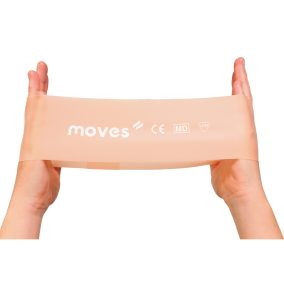


The Moves Wide Loop is a highly practical and versatile 7.5 cm wide elastic band loop that can stretch up to 200%. It’s an ideal choice for muscle strengthening, stretching, and rehabilitation. Small size with multiple resistance levels. Excellent for home or professional use, suitable for athletes and patients alike.
Price includes: 1 beige Moves Loop (30 x 7.5 cm)
Muscle mass loss, also known as muscle atrophy or myatrophy, refers to the reduction of muscle tissue mass (and consequently strength). This process can occur for various reasons and may have numerous consequences.
Causes of Muscle Mass Loss:
- Lack of movement: Prolonged inactivity or immobilization (e.g., due to injury, illness, or being bedridden).
- Aging: Muscle mass and strength naturally decrease with age.
- Malnutrition: Insufficient protein intake or nutrient deficiency.
- Chronic diseases: Conditions such as cancer, heart disease, chronic obstructive pulmonary disease (COPD), and kidney diseases.
- Neuromuscular diseases: Diseases that affect communication between nerves and muscles, such as amyotrophic lateral sclerosis (ALS) or polio.
- Hormonal changes: For example, low testosterone levels or thyroid problems.
Consequences of Muscle Mass Loss:
- Decreased muscle strength, making daily activities more difficult.
- Reduced endurance, causing quicker fatigue.
- Poor balance and coordination, which increases the risk of falls and injuries.
- Muscle tissue is metabolically active. When muscle mass decreases, metabolism slows down.
- Decreased mobility worsens the quality of life.
Methods to Increase Muscle Mass:
- Weight training is the most effective method for increasing muscle mass, but bodyweight exercises (such as push-ups and squats) are also effective. Although aerobic exercises (e.g., running, cycling) primarily affect the cardiovascular system, they can help maintain overall fitness and aid muscle recovery.
- The effects of training are not built during the workout but during the subsequent rest. Muscles need time to regenerate and grow, so adequate quantity and quality of sleep are essential.
- You cannot increase muscle mass through nutrition alone, but proper nutrition is necessary for muscle growth. Adequate protein intake is important (amino acids are the building blocks of muscles). Vitamins and minerals are crucial for muscle function.
For increasing muscle mass, a consistent training program and proper diet are important: professionals such as personal trainers, medical fitness trainers, physiotherapists, and nutritional consultants can provide assistance.
What to Do if Traditional Exercise is Not Possible?
Physical therapy methods can help recover muscle mass and maintain muscle strength. These methods can be particularly useful in cases of injury, illness, or mobility limitation causing prolonged inactivity.
Electrical Muscle Stimulation (EMS)
EMS uses low-frequency electrical impulses to stimulate muscles, causing them to contract. It enhances traditional exercise, making it suitable for anyone. It is the only effective method to increase muscle mass for those who cannot move independently.
Passive Movement Therapy
Passive movement performed by a therapist is very low in effectiveness for increasing muscle mass, but it can slow further muscle atrophy. The advantage of passive movement is that it improves circulation.
Robotic Rehabilitation Devices
Machine-assisted passive movement is also low in effectiveness for increasing muscle mass, but it can slow further muscle atrophy. The advantages of passive movement include improved circulation and enhanced joint mobility. Their disadvantage is that they are expensive and thus mostly available in institutions.
Massage
Massage does not strengthen muscles or increase muscle mass, but it improves circulation, reduces muscle tension, and can contribute to maintaining muscle condition.
Underwater Therapy (Hydrotherapy)
When the body is immersed in water, it 'loses weight,' meaning the movements performed in a pool place less stress on the joints, facilitating safe muscle mobilization and strengthening. Moving against the resistance of water can also be an important step in increasing muscle strength.
Use of Rehabilitation Tools
In recovering muscle mass and, especially, joint mobility, tools such as elastic resistance bands, balance pads, and exercise balls can be useful supplements.