
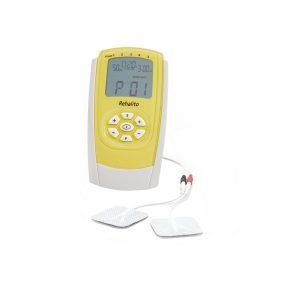
Entry-level muscle stimulator (EMS) device
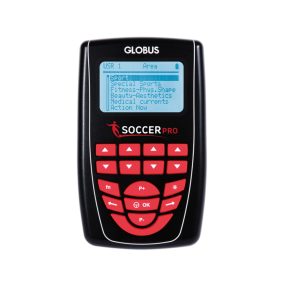


Soccer Pro multifunctional electrotherapy device with program package optimized for football players. TENS / EMS / MCR-MENS / FES / iontophoresis.
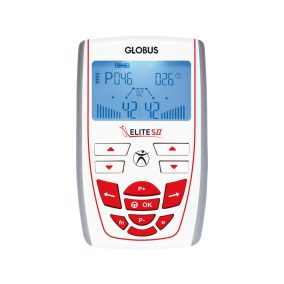


Elite SII electrotherapy device. TENS / EMS / FES. 2 channels, rechargeable battery.



Premium 400 multifunctional electrotherapy device. TENS / EMS / MCR-MENS / FES / iontophoresis. Specialized programs: running, cross-country skiing, combat sports, tennis, football, cycling. 4 channels, battery operated.
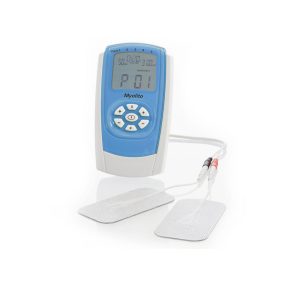
Myolito electrotherapy device with TENS, EMS and FES (incontinence) programs
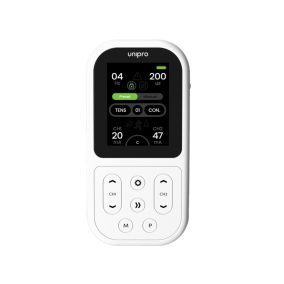
The UniPro is a two-channel, multifunctional electrotherapy device providing TENS, EMS, microcurrent and interferential (IF) treatments.
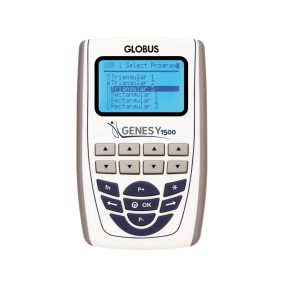


The Globus Genesy 1500 — one device for hundreds of complaints.
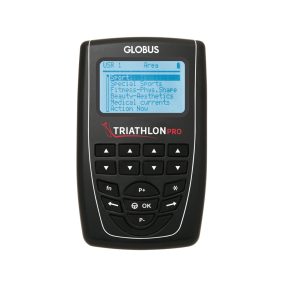


Triathlon Pro: multifunctional electrotherapy device. TENS / EMS / MCR-MENS / FES / iontophoresis. Special sport: triathlon. 4 channels, battery powered.
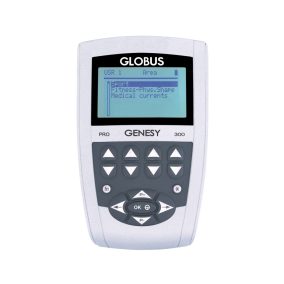


Genesy 300 Pro multifunctional electrotherapy device. TENS / EMS / MCR-MENS / FES / iontophoresis. 4 channels, battery-powered.
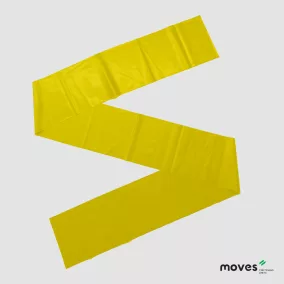

The Moves Band is a reliable tool for professionals in physiotherapy, rehabilitation, and fitness. This dust-free, latex-based, premium quality resistance band is an ideal choice for everyday use, whether for muscle strengthening, mobilization, or functional training. The Moves Band not only helps increase range of motion but also develops muscle strength and the coordinated function of muscle groups.
What's in the package?
- Yellow - 1 pc - 1.0 to 2.3 kg resistance band
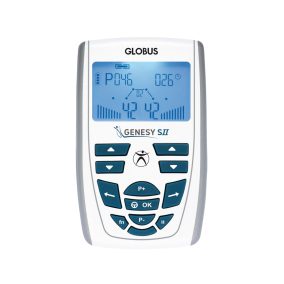


2-channel TENS | EMS | iontophoresis device. 60 types of pain-relief, rehabilitation, iontophoresis and incontinence programs.
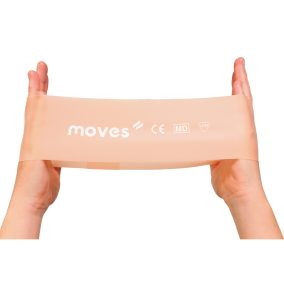


The Moves Wide Loop is a highly practical and versatile 7.5 cm wide elastic band loop that can stretch up to 200%. It’s an ideal choice for muscle strengthening, stretching, and rehabilitation. Small size with multiple resistance levels. Excellent for home or professional use, suitable for athletes and patients alike.
Price includes: 1 beige Moves Loop (30 x 7.5 cm)
Due to “temporary” inactivity (for example, immobility from illness or surgery), unused muscles lose mass and strength very quickly. You can notice a decline after just 10–15 days of downtime; however, if the enforced rest lasts a few weeks, there is a significant drop in muscle performance.
This poses a major problem in rehabilitation, as regaining previous strength and mobility requires exhausting, months-long therapy.
If you neglect recovering your muscle strength, you set off a chain reaction of further problems. Read Dr. Zsolt Zátrok’s article on the effects of inactivity.
Muscle Strength Recovery with Electrical Stimulation
Start as early as possible!
You can begin muscle-maintaining electrical stimulation treatments during the illness, even while bedridden (and usually 1–2 days after surgery). For example, after an arrhythmia, pneumonia, or abdominal surgery, you can immediately start strengthening your leg and arm muscles. Without it, you’ll find it difficult to move after 2–3 weeks, even though it’s very important.
Strength-Restoring Electrical Stimulation
Often, you can start muscle stimulation strengthening even before beginning physical therapy. For example, after knee ligament surgery, moving or loading the knee joint is prohibited for days. During this time, the thigh and calf muscles deteriorate rapidly.
However, you can already use electrical stimulation at this stage. The treatment does not cause joint movement, so it does not stress the joint.
The physiological effect of stimulation is identical to exercise—it prevents muscle atrophy.
After wound healing and the rest period, also begin traditional physical therapy! At this point, you won’t need to “restore” atrophied muscles—you can start over with preserved muscle mass.
By using electrical stimulation early, you can significantly shorten recovery and rehabilitation times.
In this product group, we have collected devices and equipment suitable for muscle strength recovery.

