Blog

Cholesterol is often treated as a “bogeyman” in medical conversations, although it is actually an essential substance: it is a building block of cell membranes, a component of bile acids, and the starting molecule for vitamin D, cortisol and sex hormones. Most of the cholesterol in our body is produced by the liver, while a smaller amount comes from food.
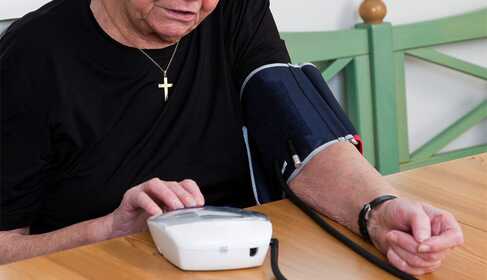
High blood pressure (known medically as hypertension) is now the most common disease among Hungarian people! When I graduated from university in ’91, official figures showed that it affected around 1.6 million people in Hungary. Today, almost three times as many—4.2 million people with hypertension—are registered. In my view, there are two main reasons for this. One is lifestyle, the other is seriously misguided medical treatment protocols! But let’s not get ahead of ourselves. Let’s take it step by step! By the end of my article, you’ll understand.< /p>
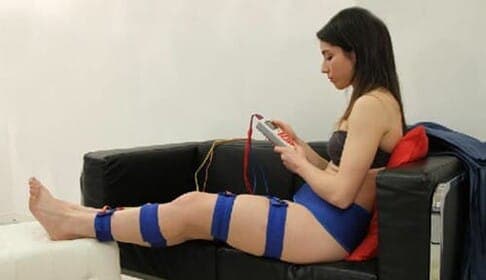
3S sequential stimulation programmes offered by Globus electrotherapy devices are particularly important for movement and lymphatic therapists, as well as neurorehabilitation specialists. In this article, I will explain these programmes, their importance and how to use them.
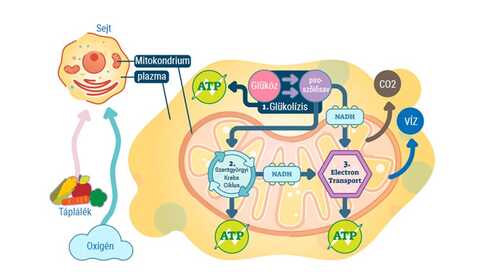
Chronic inflammation is closely linked to nutrition, metabolism and the processes of energy production. If you understand why mitochondrial health is so important, then by paying attention to the composition of your food and the timing of your meals, you can prevent a large portion of chronic diseases and counter excess weight without extreme effort or self-denial.
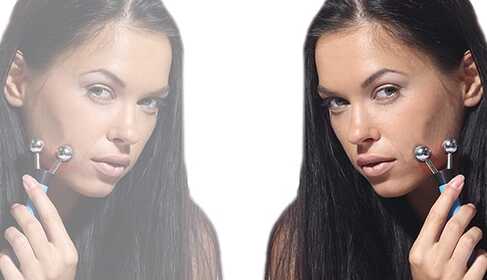
Those who visit beauticians are probably familiar with various electrical face and skin treatments – for increasing firmness and improving the feeling of hydration. You can't expect dramatic results from a single such treatment, and visiting a beautician daily is unrealistic for most. This is where the Globus devices' G-Pulse programs come in: cosmetologist-developed microcurrent treatment protocols designed for home use, suitable for continuous use over weeks or months with a few minutes of daily treatments.
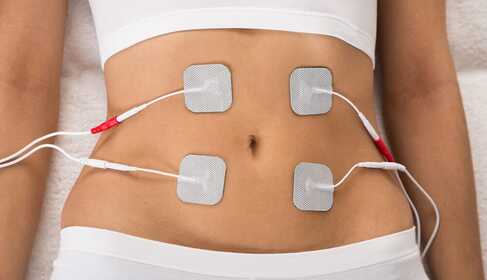
Body-shaping programmes in muscle stimulators have become popular in the beauty and wellness market. Advertisements often suggest that the body can be shaped through “passive exercise”, while sitting in an armchair. Research paints a more nuanced picture – and that is exactly what this article is about: what body-shaping muscle stimulation can actually do, and what it cannot.
The key point in one sentence: body shaping is not weight loss. Muscle stimulation works on muscle firmness and muscle mass, not on fat deposits. This is not a downgrade – improved muscle tone is what makes a body look more “defined” –, but it is different from what advertisements promise.
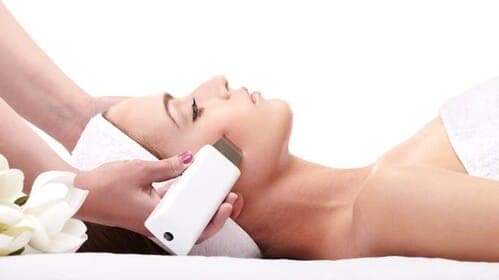
Feminine curves, firm skin, the smallest possible clothing size – in many people's imagination this is the ideal female figure, which women usually try to achieve, getting closer to that goal by trying new methods. Many newly launched products promise to help on this path, but unfortunately most “miracle remedies” fail to live up to expectations. In contrast, there are numerous technologies that can produce truly visible results in the field of beauty care (as well).
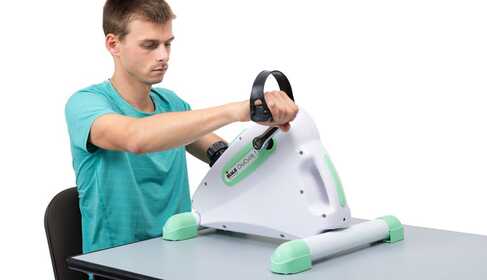
The home ergometer is an effective aid for recovery from serious illness, that is, for rehabilitation. In this article you can learn more about these devices.
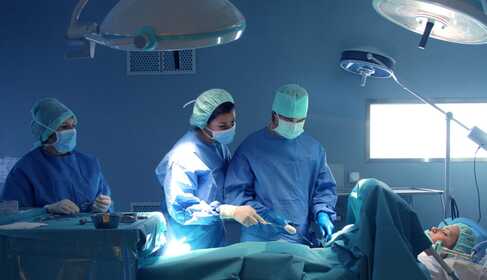
Nowadays, both public and private hospitals perform knee (TKA – total knee arthroplasty) and hip (THA – total hip arthroplasty) replacement surgeries almost on an assembly line. Worn joints are replaced one after another. However, in a significant proportion of operations the expected degree of improvement does not materialize. Why?
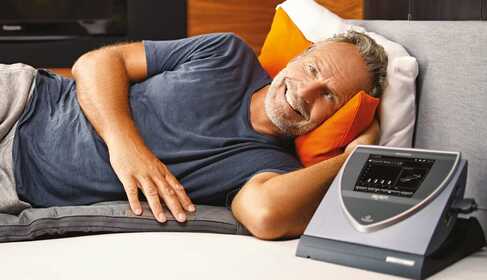
BEMER and magnetotherapy (PEMF) are related, yet different. When BEMER devices are mentioned, you often hear that they use “pulsed magnetotherapy” – and that is essentially true. However, anyone who looks a little deeper soon realises that BEMER is a specialised version of the widely used pulsed electromagnetic field technology. Let’s see how they are similar and what makes BEMER different.
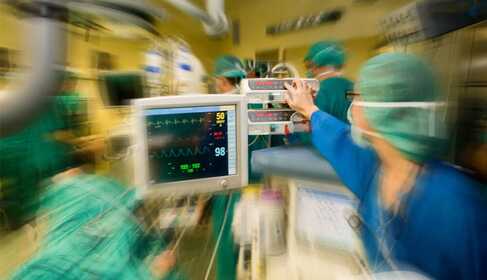
Until the beginning of the last century, the main obstacle to the development of surgery was the lack of a method that could provide pain relief and calm during longer operations. It is obviously impossible to perform precise surgery on a patient who is screaming in pain, convulsing and struggling. Modern anesthesiology — the science of anesthesia and sedation — provides all this. Anesthesia […]