
Blog
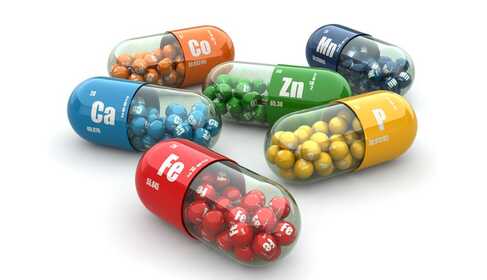
Every autumn, the rush begins: high-strength vitamin C, “immune-boosting” packs, effervescent tablets and miracle capsules. The logic behind them seems simple: if the immune system needs vitamins, then lots of vitamins must make it stronger. This article explains why that logic is flawed — and what placebo-controlled studies involving tens of thousands of patients say about when supplementation makes sense and when more can be harmful.
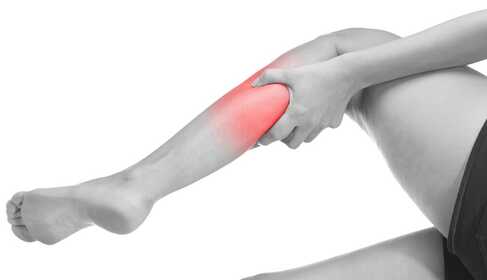
A muscle cramp is a sudden, involuntary, painful contraction of a muscle that lasts seconds to minutes and most commonly affects the calf at night.
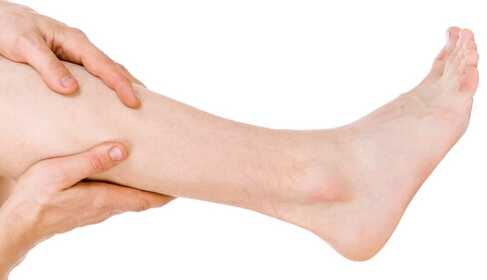
The symptoms of restless legs syndrome typically occur in the evening or at night while you are sitting or already lying down. You suddenly feel an overwhelming urge to move your legs. Movement temporarily relieves this unpleasant sensation. The condition, also known as Willis-Ekbom disease, can develop at any age and usually worsens with advancing years. It disrupts the sleep cycle and disturbs rest, which can affect daily activities […]
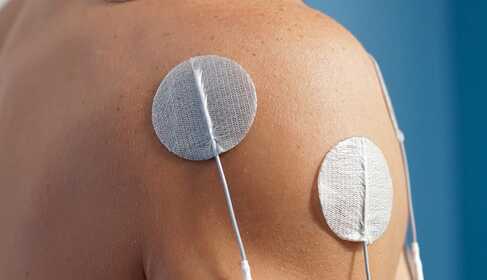
Electrical muscle stimulation (EMS) is a method for treating muscles. There are several forms, each with a different mode of application and, naturally, different effects. Here I present these methods one by one. A little muscle physiology Under normal conditions muscles contract in response to an electrical impulse coming from the brain. The impulse also conveys how forceful the contraction should be and which muscle fibers should contract for a given movement. Obviously, lifting a 1-forint coin and lifting a 100 kg weight require different commands: different fibers and a different muscle mass are involved in the small movement than when maximal force is required.
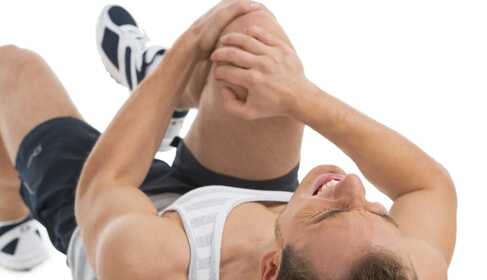
We speak of leg pain when pain is felt in the lower limb (the area from the thigh to the toes). Leg pain can appear suddenly or gradually. It can be constant or intermittent. It may affect the whole leg or only a localized area, such as the shin, the ankle or the knee. The sensation can take many forms, for example stabbing, sharp, pulling, dull, burning, […]
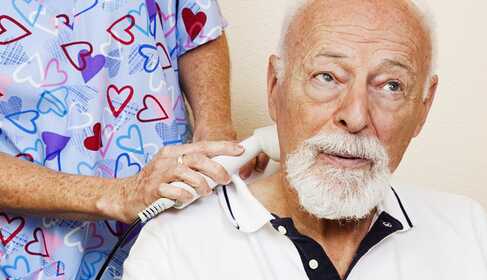
You've probably been in this situation: you were given a medicine, you took it as prescribed, and you still didn't get better. Or you went to physiotherapy, but the effect wore off after a few days. Maybe you tried a "miracle" solution that supposedly helped others — but it didn't work for you.
It's not your fault. And it wasn't necessarily that the treatment was bad. The problem lies elsewhere: most conditions cannot be treated with a single method.
In this article I'll explain what multimodal treatment means and why it is the foundation of modern healing.

Everyone passes wind. Anyone who says they don't either isn't paying attention or isn't telling the truth. The digestive tract contains gas from the stomach to the rectum: partly swallowed air and partly what bacteria in the colon produce while fermenting undigested food residue. This isn't a fault, but a natural part of working digestion. A healthy adult passes wind roughly 10–25 times a day, much of it unnoticed, and on average only 1–2 decilitres of gas is present in the bowel at any one time.
Ultrasound is a mechanical vibration that cannot be heard by the human ear. Since it is not visible, and treatment with an ultrasound beam is not perceptible, skeptics have an easy argument: “what cannot be seen, cannot be touched, cannot be put into the mouth as a pill and swallowed, does not exist and is not effective.” For doubters [...]

A number of childhood neurological disorders cause so-called central (brain-origin) paralysis — the inability to move the affected muscles. The lost brain-to-muscle connection and the lack of contractions cause the muscles to deteriorate over time, and this is one of the main causes of long-term disability. One method developed to prevent this is TES, i.e. Threshold Electrical Stimulation. Stimulation impulse — a life-giving force for the muscle.
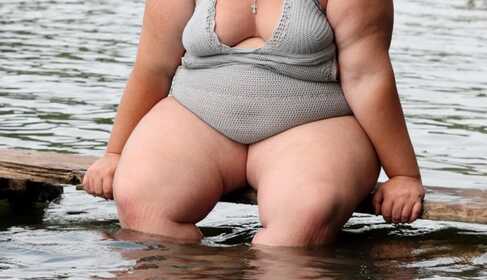
"Dear Doctor! I'm a 'pear' plus-size, my hip circumference is 169 cm, I'd like a compression therapy unit. Is there a size this big?" — was the question addressed to me. As I read it, at first it made me smile, then it astonished me and finally saddened me. I'll explain why I ended up on this 'emotional rollercoaster'.
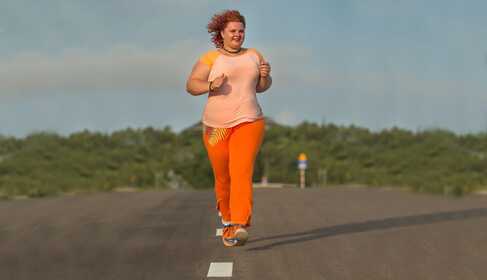
I do not recommend running for people struggling with overweight! Even though running is proven to burn the most fat in a given time — in other words it is the most powerful fat-burning exercise — why am I so “stupid” to advise against it? I'll explain that now.

