Blog
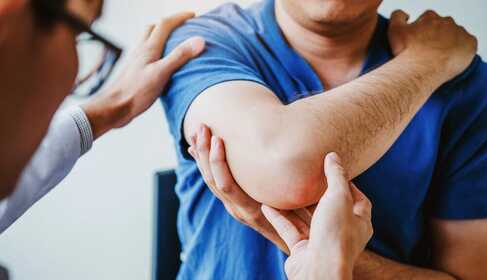
Your body has roughly 300 joints, each playing a vital role in movement and flexibility. Joint pain occurs most often (but not exclusively) in older age and is one of the most widespread health problems in the world. Joints — which connect different parts of the body — are complex structures made up of several components. They contain cartilage, bone, ligaments, tendons, muscle, membranes, fluid and tissue. Because of this, joint pain can have many different causes. In this article I have grouped them into a "bouquet".
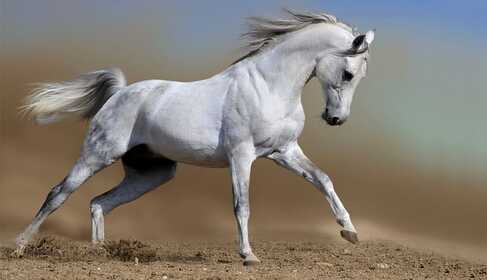
Once upon a time there was an old peasant everyone liked. They called him Uncle Matyi. Like many in those days, he kept a horse. He rose at dawn, harnessed it to the cart or the plough, and they worked the fields from spring to late autumn. Winter came, snow up to his waist, mud to his knees… but even then Uncle Matyi would get up, lead the horse out of the stable and, with a lead rein, they would trudge along the street. Up and down, in rain, wind, frost, every day.
Children ran after them, joined in, and listened to his stories about horses and the small things in life. He passed on everything he had once heard from his grandfather, adding the wisdom he had gathered in his long life. “If the horse just stands idle in the stable, muck piles up around it, it gets intestinal torsion, and then it dies. That’s why you must put the horse to work every day.”
Spasticity is a condition in which your muscles remain continuously tight and become stiff. This is not simple muscle pain but a persistent increase in muscle tone resulting from damage to the central nervous system. If you live with spasticity, you may have experienced the unpleasant feeling when your muscles do not obey your intentions, contract spasmodically, or resist your movement attempts.
This condition significantly affects daily life. Walking becomes difficult, hand movements become inaccurate, and pain often accompanies it. Many think this is an unchangeable state, but in reality there are several effective treatment methods, among which NMES (Neuromuscular Electrical Stimulation) therapy shows particularly promising results.

Humans are poor at assessing risk. They worry that migrants will kill them or that they'll catch COVID when they go to the store. Meanwhile they light another cigarette or force down a huge meat-and-potatoes combo while staring at the TV. You should know that neither migrants nor COVID are the biggest threats to your life! You yourself can be your own worst enemy: a sedentary lifestyle and excessive eating hasten your death.
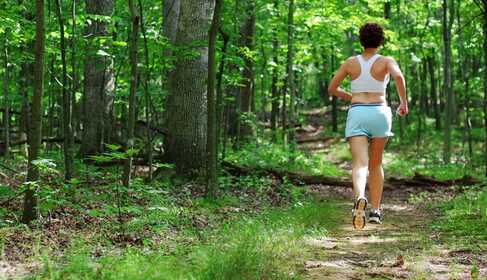
Most people know only that during running and other sports you must breathe more than at rest, because intense movement requires more air. By improving breathing you can achieve greater oxygenation at the cellular level, which then leads to increased vitality, more muscle building, better recovery, a stronger immune system, reduced need for sleep, and reduced appetite (good news for those dieting). […]
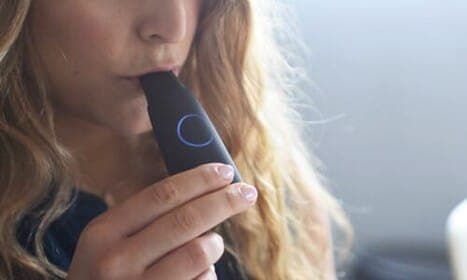
Have you been struggling with excess weight for years? Do you lose weight only to regain what you lost? Do you try one diet after another? Do you punish yourself but have no idea whether what you are doing is effective?
If so, I will show you a device that can give you an accurate picture of your current metabolism — whether you are burning fat or not. Knowing this is a great help when composing and timing your diet. A special device, Lumen.me, can help you with this.
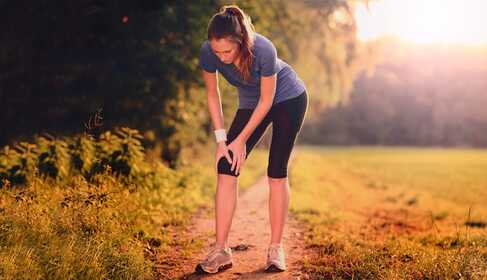
Your body contains roughly 150–160 small, fluid-filled “cushions”: these are bursae. They sit wherever a tendon, muscle or skin moves over bone. Like bearings, they reduce friction so that the thousands of daily movements of the shoulder, elbow, hip or knee can take place without wear. Bursitis is inflammation of these cushions: the bursal wall thickens, produces fluid, and the area becomes swollen and painful when pressed or moved.
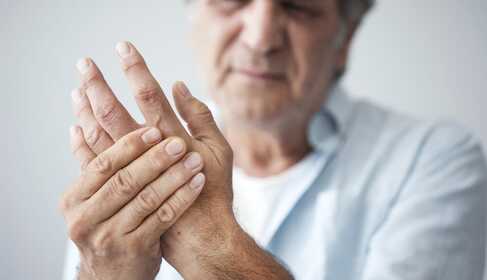
Just because your hands or feet feel cold even when you're not in a cold environment, in most cases there is no reason to worry. This is usually your body's way of regulating temperature. Some people react more strongly to changes in external temperature. However, sometimes cold hands and feet can be a warning sign of an underlying illness. Body temperature regulation The blood vessels in the hands and feet play a major role in regulating your body temperature. Many […]
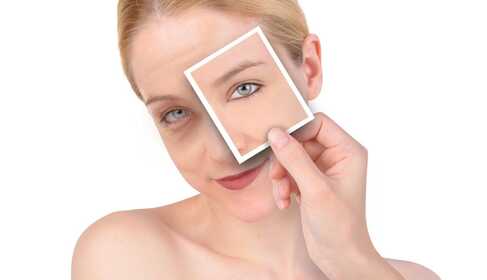
“Dark circles under the eyes” means dark discoloration of the skin around and especially under the eyes. It is usually a bilateral phenomenon. It should be distinguished from a change affecting only one eye area. Such a change can be caused, for example, by injury and bruising or by redness and swelling due to an infection of one eye. Dark circles can be purplish, bluish, dark brown or black in shade. This strongly depends on the skin's baseline color […]
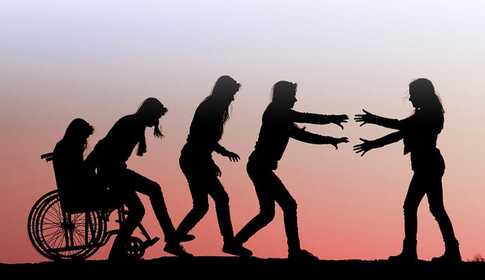
Physiotherapy is not a new alternative method – it has been part of medicine for centuries. The ancient Greeks already knew the beneficial effects of massage and bathing, while modern physiotherapy combines this knowledge with 21st-century technology: it supports healing with electrical current, laser light and magnetic fields. In this article, I’ll show you how these methods work, when they may be needed and how you can use them at home as a complement to specialist medical treatment. This article is a comprehensive guide to physical therapy methods and their use at home.
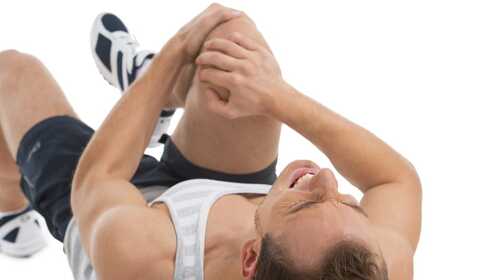
Jumper’s knee (medically called tendinitis or, more precisely, patellar tendinopathy) is an overuse condition of the tendon below the kneecap — the patellar tendon, which transfers the force of the thigh muscles to the shinbone. Its name reveals its main victims: the knees of volleyball players, basketball players, handball players and long jumpers, where repeated jump-landing cycles place several times the body weight on the tendon. But you do not need to be an elite athlete: a weekend footballer, a runner, a beginner who suddenly increases their training load or a manual worker who does a lot of squatting can also “get it”.