Blog
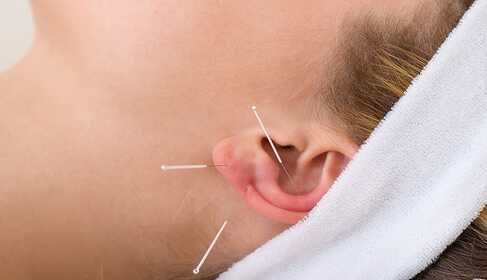
Acupuncture (the word's original meaning is "needle prick") involves inserting very thin needles through the skin into specific points on the body. This procedure is one of the most important methods of traditional Chinese medicine and is most commonly used for pain relief. Nowadays it is increasingly used to promote well-being and to manage stress. Needle-based therapies are used together with many other complementary techniques by practitioners experienced in Chinese medicine […]
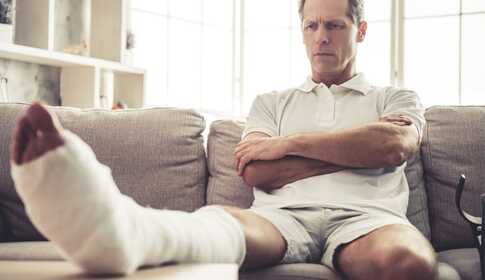
Physical inactivity (also called immobilization) means the stillness of the whole body or a part of it. Most often this situation arises after a severe illness or surgery when you are unable to move. It is similar when a limb cannot be moved because of a fracture or injury. Many choose “immobility” voluntarily. A sedentary lifestyle (sitting at work, in the car, in front of the TV) can have consequences just as serious as the disease that caused the inactivity.
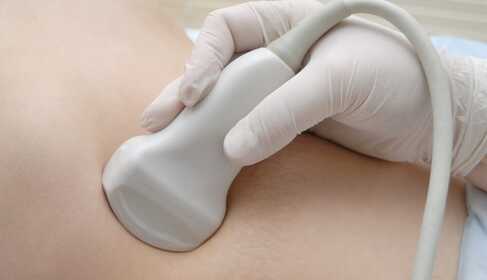
Diagnostic ultrasound, also called sonography or diagnostic medical sonography, is an imaging method that uses high-frequency sound waves to create images of structures inside the body. With the widespread availability of ultrasound devices, ultrasound examinations have become an important tool in detecting diseases, as they are easily accessible to many people today. It is one of the first-choice diagnostic methods and can provide a definitive diagnosis.
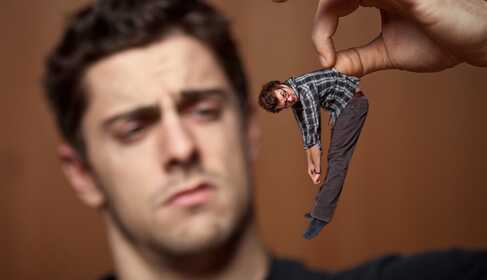
Workplace burnout is not simply tiredness, nor is it a sign of weakness. In the International Classification of Diseases (ICD-11), the WHO recognises it as a distinct phenomenon specifically linked to work: a condition resulting from chronic workplace stress that has not been managed successfully. In other words, burnout is not something you are “born with” – it develops through the combination of chronic workplace strain and the body’s response to it.
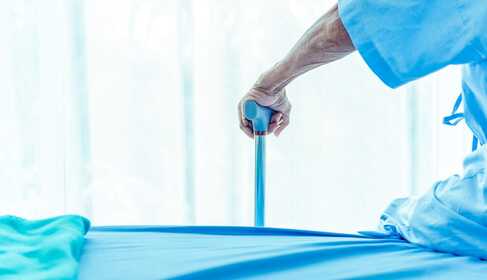
The COVID-19 virus can damage the lungs, the heart and the brain. If this happens, the risk of long-term health problems increases. It is now clear that in some people the disease's symptoms can persist for months even if the illness itself was almost asymptomatic. This cluster of symptoms has already been given a name: doctors refer to it as post-COVID or Long-COVID syndrome […]
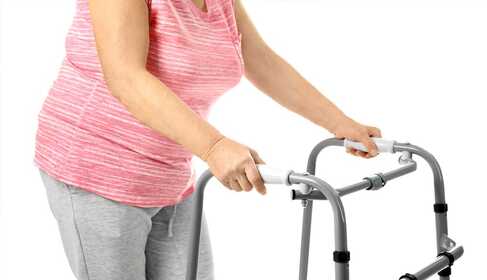
In this article you will find tips and ideas for maintaining and preserving strong bones. Maintaining bone health is much easier than you might think. Diet, physical activity and other lifestyle factors have a major impact on changes in your bone mass. It logically follows that nutrition, physical activity and lifestyle can also shape bone health.
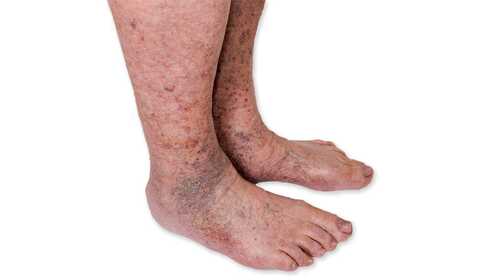
A reddish-brown spot appearing on the shin above the ankle, or a larger area of discoloration, is a common finding. A symptom that calls attention to impaired venous circulation in the lower limb. In medical records the spot is referred to as a “hemosiderin deposition.” Let’s review what causes it, what it indicates, how it can be prevented — and whether it can be treated.
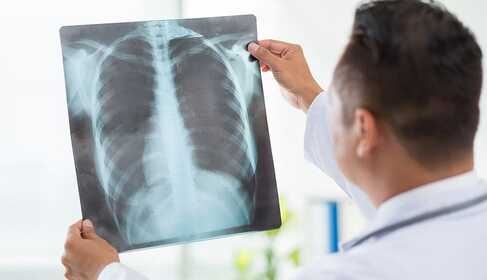
Coronavirus (COVID-19) infection can cause serious respiratory, physical and psychological dysfunction in affected patients. It is increasingly clear that recovery can be prolonged and difficult even after moderately severe illness. For this reason, returning people who have had the disease to a normal life rhythm — that is, COVID rehabilitation — is receiving growing attention. Rehabilitation often begins in hospital, but most of it takes place after discharge at home. Since you or your relatives may be affected, it is worth knowing the available options.
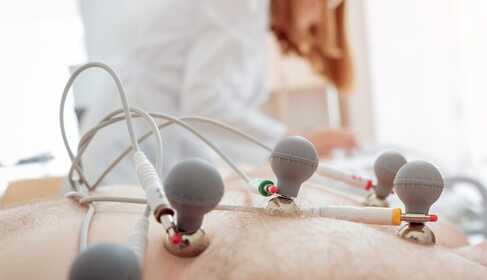
I have written before that one important sign of how your body works is its electrical activity. Body processes are controlled by electrical impulses, so the functioning of your brain and your heart is largely governed by electricity. Electrocardiography records the electrical activity of your heart; it is performed with an ECG (electrocardiograph) device.
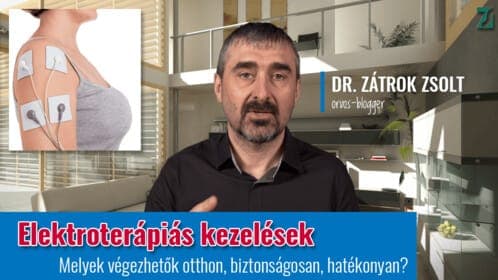
Electrotherapy is not a single treatment method, but an umbrella term: different electrical currents, frequencies and pulse shapes make up the family used today in home and clinical practice. Just as in a kitchen a different knife is used for bread and fish, in electrotherapy different methods are suited for pain relief, muscle strengthening or promoting wound healing.
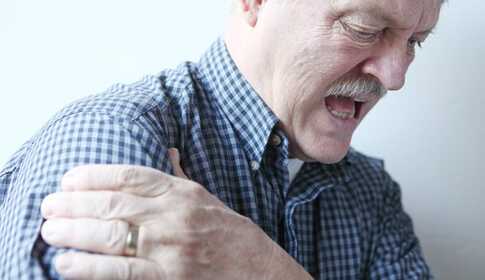
COVID has thoroughly reshaped medical care. Although the pandemic has subsided, the problem remains: clinic capacity is limited, access is centralized in many places, and waiting lists have grown. Pain, however, doesn't wait for a new appointment. What can you do if you have complaints but can't reach therapy fast enough—or if regular travel during working hours simply isn't possible? This article explains how to assemble an evidence-based home therapy system that complements (but does not replace) medical care.