
Blog

From time to time almost everyone reaches a point of exhaustion or burnout. These cases of temporary tiredness usually have an identifiable cause and an expected remedy. However, when the exhaustion is persistent, it lasts longer, is more profound and is not relieved by rest. It becomes an almost constant state of fatigue which, once established and become a constant companion, reduces energy, motivation and concentration. Such a level of fatigue affects emotional and psychological well-being and therefore is a clear source of danger. Medically, the concept of fatigue is hard to define because the sensation itself is subjective and everyone experiences it differently. In general, the most common cause is lack of sleep. If fatigue becomes persistent and you feel you never really get rested, see a doctor as soon as possible!
Ultrasond treatment is one of the first-choice treatment methods for musculoskeletal disorders, pains and inflammations. Therapeutic ultrasond is a fundamentally important tool in the toolkit of medical physiotherapy.
Technological advances now make it possible that you don't have to travel to a clinic or hospital every few days for a ten-minute treatment. With proper information and some basic knowledge, most ultrasond treatments can be performed at home using an ultrasond device designed for home use.

After surgery, the body devotes significant resources to wound closure and regeneration. Due to reduced movement, the muscles—especially after orthopaedic surgery—quickly lose strength: just a few days of inactivity can lead to a 10–20% reduction in quadriceps strength. So it is natural to ask: can muscle stimulation (EMS, NMES) support recovery after surgery, and if so, when and how?

Hungarian sports results have been steadily declining; the top ranks are getting farther away in most sports. I believe the main reason is outdated training methods and the lack of following modern approaches. You can read about this in this article. In Hungary the persistent belief (held by coaches and athletes alike) is that simply training a lot is enough. However, this concept has been outdated for years.

Few things are more frightening than the feeling that you cannot breathe. Even healthy people may experience shortness of breath after very strenuous exercise, in extreme temperatures, with obesity, or at high altitude. Outside of these situations, however, labored breathing is likely a sign of a medical problem. Shortness of breath — medically called dyspnea — is most often described by patients as a strong chest tightness, air hunger, breathing difficulty, or a choking sensation.
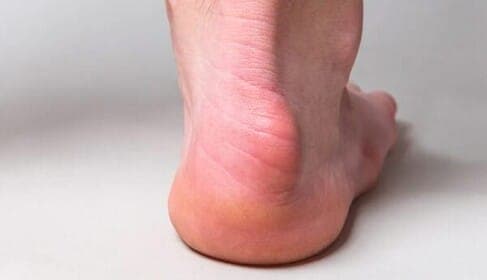
Heel pain most often occurs at the bottom or back of the heel. Although it rarely indicates a serious disease, it can interfere with everyday activities—particularly making physical activity difficult. The foot (from below the ankle to the toes) is made up of 26 bones, the largest of which is the heel bone. The heel's job is to provide a stable support for the body's weight, which is why our heel is subjected to significant impact with every step. This area is more vulnerable, and pain here significantly affects mobility. Heel pain is one of the most common complaints affecting the foot.
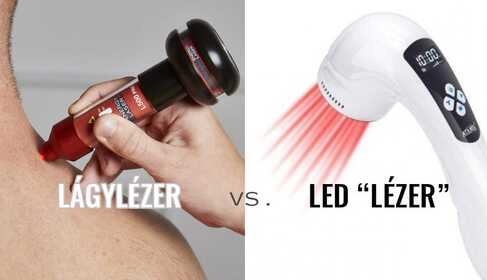
Many companies shamelessly lie about products marketed for medical use. Trading companies use ruthless advertising campaigns to foist devices on unsuspecting buyers that are not suitable for the purposes they're promoted for. Nowadays — because of their effectiveness — soft laser devices are increasingly popular. However, their price is quite high. That attracted hyenas who sell colorful LED lamps as "lasers". You might think light is light... but LED and diode laser are about as similar as a plastic pedal car and a Mercedes. I'll explain!
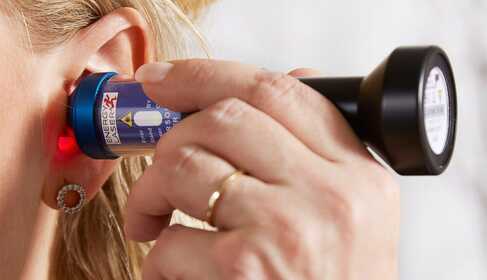
Ringing, buzzing, humming, hissing — or perhaps a sound pulsing in time with your heartbeat — that only you can hear because there is no external source. This is tinnitus. It is very common: 10–15% of adults experience it in some form, and in 1–2% of cases it interferes with everyday life — sleep, concentration and emotional balance — to such an extent that treatment is needed.

You've almost certainly experienced tight or aching muscles. Muscle pain may affect a small muscle (for example the sternocleidomastoid in a stiff neck) but it can also involve the whole body. Its intensity ranges from mild to excruciating. A large portion of muscle pain resolves on its own within a short time, but sometimes you may feel it for months. “There can be a thousand causes,” one might say. Here I list the most common ones (presented in alphabetical order).

Today a desperate woman wrote asking: “My partner and I are infected with COVID; I'm already better — I 'only' cough. But my partner has back and chest pain. His blood oxygen level is a bit lower every day, now 92–93. The GP said on the phone that if he started to have trouble breathing, then we should go to the hospital. What should we do?”

Recently I heard a song by Emir Kusturica titled “Upside down”. It brought a few thoughts to mind. A highlight from the lyrics: “Life is just a simple game between up and down…What is down should go up. What is up must go down”. In other words (not a literal translation but rather an interpretation) it means: Life is a simple game between up and down… Those who are down may rise. Those who are up can only go down.

