Blog
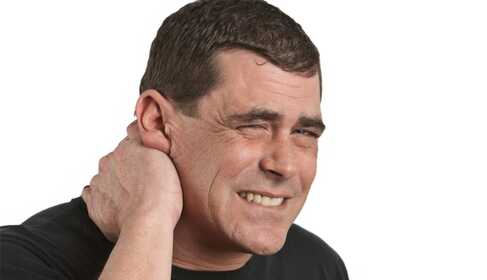
Torticollis is a Latin term meaning a tilted neck: the head tilts to the side, turns or bends forwards or backwards against your will. However, what we commonly call a “crooked neck” is actually an umbrella term – at least three very different conditions can hide behind it, each requiring completely different action.

I often receive desperate letters asking for help, usually from older people. They are invited to a free “health assessment”. After the few-minute “measurement”, they are told that the results are “very bad”, which puts them into an almost shocked state. Taking advantage of this, they are sold an “all-curing miracle device” – at a very high price. In their panic, they cannot weigh things up, but once home, with a cooler head, they realise that they have been cheated out of hundreds of thousands of forints. What can be done? This article is based on real events.

When you perform a TENS, EMS, microcurrent or iontophoresis treatment, the current reaches the tissues via the skin. The hydration status—both of your body and the skin surface—significantly affects how efficiently the electrical signal travels to the target tissue.
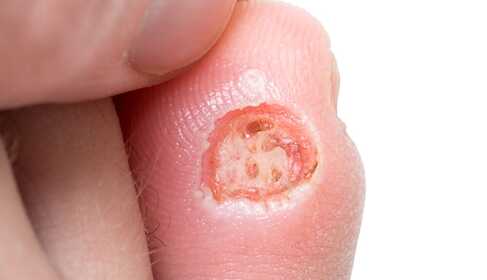
One of the most feared complications of diabetes mellitus is the diabetic foot (also called the diabetes-related foot), which at first appears as pain and sensory disturbances but can lead to much more serious consequences over time. Due to worsening circulation, tissues can die in small areas and a skin wound (ulcer) can form. If the process progresses, tissue death may extend to the toes and even the foot. Treating the diabetic foot and avoiding serious outcomes largely depends on you — on what and how much you eat, how much you exercise, and whether you follow medical instructions.
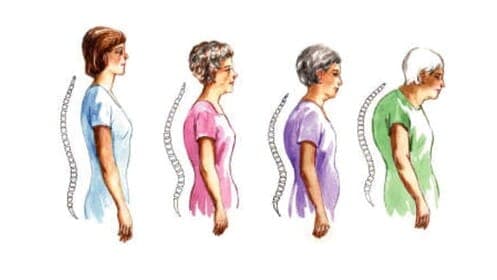
If you live with osteoporosis, or the diagnosis has just reached you, you know how frightening it can be to face that your bones are no longer as strong as they used to be. The risk of fractures, changes in posture, chronic pain – all of these can fundamentally change your daily life. But there is good news: alongside the right lifestyle and medication, there are complementary methods that can help support your bone health. One of these is magnetic therapy – or, as it is called in the scientific literature, PEMF (pulsed electromagnetic field) therapy. In this guide you will learn everything about osteoporosis and how magnetic therapy can help support your bones.
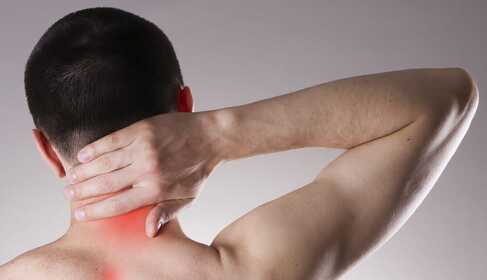
Neck pain is one of the most common complaints today – it affects 10–24% of adults during a given period (Martimbianco et al., Cochrane 2019, PMID 31830313). Computer work, stress, a poor sleeping position and draughts – everyone encounters it. The good news is that a significant proportion of mild and moderate neck problems can be meaningfully eased at home, without medication, using a simple electrotherapy device: a TENS device.

Among musculoskeletal disorders, hip conditions are not confined to old age. Hip pain is a common complaint that can be caused by many different problems. Precisely locating the hip pain can provide valuable clues to the underlying cause. Problems arising within the hip joint itself typically cause pain deep in the hip or in the groin. Sharp pain on the outside of the hip, the upper thigh, or the outer buttock usually suggests problems with the muscles, ligaments, tendons, and other soft tissues surrounding the hip joint […]
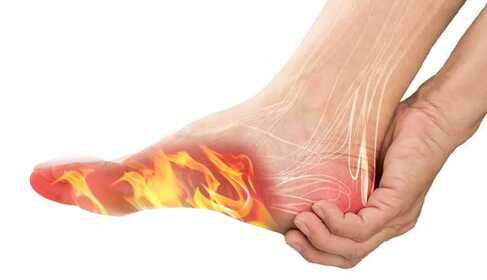
Burning foot syndrome typically causes symptoms that worsen at night. Affected people usually describe a burning, pins-and-needles type pain, most commonly located on the sole, around the ankle and sometimes on the lower leg. Although there may be no visible signs on the feet, the agonizing pain can make it impossible to sleep. Sleepless nights and days filled with suffering significantly reduce your quality of life. […]
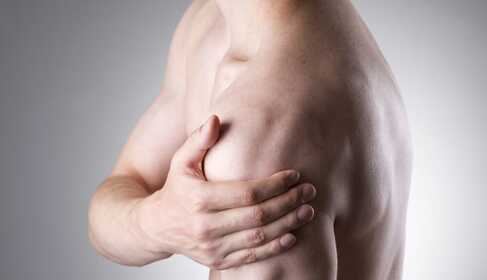
Shoulder pain refers to sensitivity in and around the shoulder joint. The shoulder is not a single joint but a group of joints held and connected by tendons and muscles. This arrangement allows the arms a wide range of motion. While this mobility is an advantage, it also brings a vulnerability: because of its structure the shoulder can become unstable. In addition, painful conditions can develop due to impingement between soft tissues and bones […]
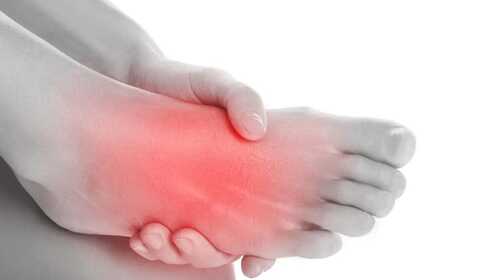
The foot is a complex structure of bones, ligaments, tendons and muscles, containing 26 bones and 33 joints. It is strong enough to bear the entire body's weight. Because of its complexity, however, it is prone to injuries and pain. This can be caused by a condition affecting the whole body or by a problem local to the foot. Any part of the foot can be affected, from the toes to the Achilles tendon at the back of the heel.
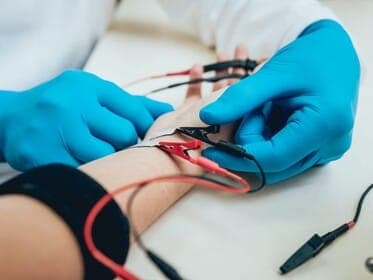
Electromyography (abbreviated EMG) is a diagnostic procedure for examining muscles and the nerves (motor neurons) that supply them. EMG results can reveal dysfunctions of nerves and muscles or problems with nerve-to-muscle signal transmission.