Blog
If you have just started getting to know home electrotherapy devices, you’ve probably thought: TENS, EMS, MENS, IF, iontophoresis, tVNS, CES, biofeedback – each abbreviation hides very different treatment methods. It’s also a common trap that a multifunction device includes all of them, but the patient does not know which program to use for what.

What do arthritis, insulin resistance, leaky gut and atherosclerosis have in common? They are all driven by the same silent process: chronic, low-grade inflammation.
Nutrition and daily physical activity are the two strongest tools you have to deal with it.

A cranial electrotherapy stimulation (CES) — in Hungarian, cranial electrotherapeutic stimulation — is a non-invasive, low-intensity electrical neuromodulation typically applied to the ear lobe, forehead, or temple area. The method has historical roots in the 1950s; its modern form was cleared by the US FDA in 1979 — its traditional main indications are the treatment of insomnia, anxiety and depression.
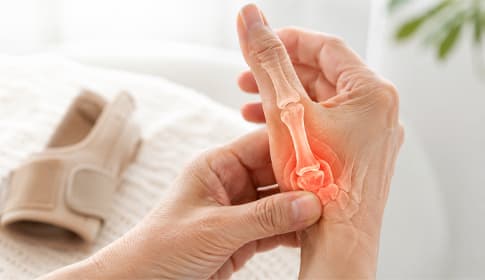
Thumb-base arthritis – medically known as rhizarthrosis or CMC-I arthritis – is a degenerative condition affecting the joint at the base of the thumb. This joint lies between the wrist bone called the trapezium and the first metacarpal bone. It takes its name from the characteristic saddle-shaped joint surfaces: the two bone ends sit together like a saddle on a horse’s back. This unique shape allows you to move your thumb across towards the other fingers – a movement known in medical terminology as opposition.
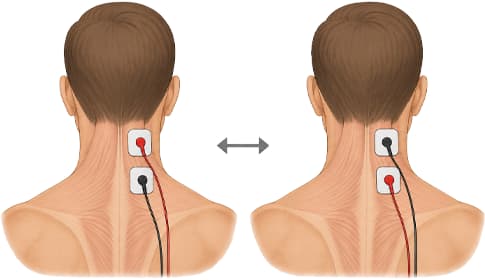
Home electrotherapy devices work with two electrodes: current flows from one (positive, anode) toward the other (negative, cathode). In treatments that use direct (DC, galvanic) current, the two poles have different physiological effects. In alternating-current or biphasic treatments the polarity constantly reverses, so the question is practically meaningless.
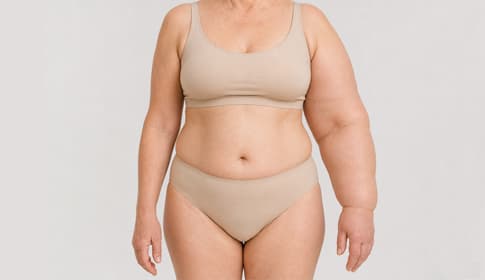
Arm swelling after breast cancer treatment – internationally referred to as BCRL (breast cancer-related lymphedema) – is one of the most common long-term complications for patients treated for breast cancer. Clinical practice shows that 20–30% of women who have undergone breast cancer treatment will develop upper-limb lymphedema during their lives – so almost every third survivor. The risk persists for years after surgery and often first appears 2–10 years later.

One of the most common questions from people with lipedema is: “What diet can reduce my symptoms?” Clinical practice over recent years has produced a clear message: classic calorie-restriction dieting ALONE does NOT reduce the size of lipedema-affected areas. Due to the biological characteristics of lipedema adipose tissue, traditional diet approaches do not produce meaningful results – moreover, unsuccessful attempts often increase psychological burden.
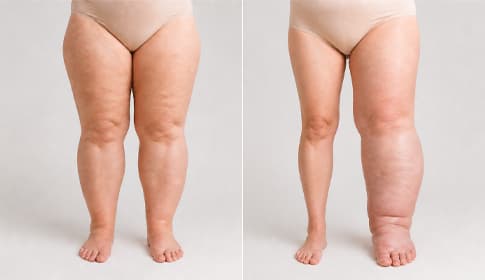
Lipoedema and lymphoedema are often confused – both can cause swelling, a feeling of heavy legs and skin changes. Clinically, however, they are two completely different conditions, with different mechanisms, treatment strategies and device choices. People affected often live for years with an incorrectly treated diagnosis, reducing the time available for potential improvement.
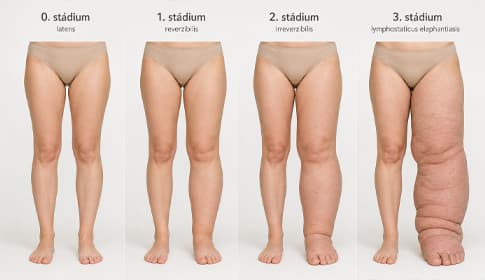
Lymphedema (lymphoedema) is a chronic, lifelong condition that has no single uniform “degree” — tissue status, severity of swelling and clinical complaints all change over time. Clinical practice describes this variable picture with the International Society of Lymphology (ISL) standardized staging system. Stage classification is key to choosing the most effective treatment strategy: each stage calls for different tools, different pressures and different professional oversight.
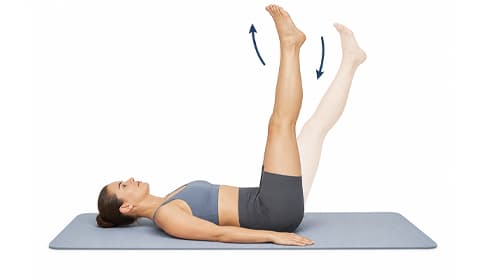
One of the most important yet most underestimated elements of lipedema treatment is regular movement. Clinical studies send a clear message: isolated pneumatic compression or compression garments alone do not provide results as lasting as combined treatment supplemented with movement. The muscle pump function (the calf, thigh and upper-arm muscles) demonstrably improves venous return and the flow of lymph fluid – this is particularly useful in people with lipedema, where the increased tissue volume already makes fluid flow more difficult.
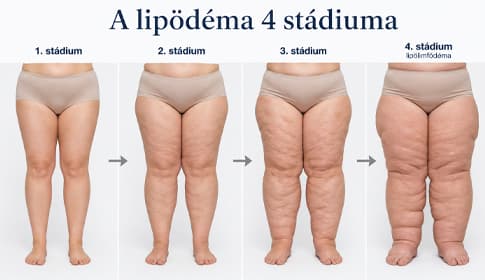
Lipedema is a chronic, symmetric, abnormal accumulation of subcutaneous adipose tissue that typically affects the hips, thighs, calves and upper arms. It almost exclusively affects women and often begins in connection with hormonal life stages (puberty, pregnancy, menopause). Lipedema is NOT caused by classic obesity, and diet alone does not reduce limb size.