
Blog
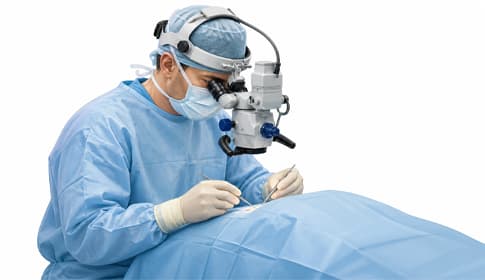
Lymphatic reconstruction surgery is an umbrella term that covers microsurgical and surgical procedures aimed at improving or restoring circulation in a damaged or underdeveloped lymphatic system, or at reducing chronically accumulated tissue volume. Over the past decade, advances in microsurgery and imaging (indocyanine green lymphography, MR-lymphangiography) have substantially expanded surgical options and made surgery a realistic option even in stage II lymphedema.

Vaginismus is not imagined, not a “fault”, and not a shameful secret. It is a real, treatable condition created by body and mind together — and it can be resolved together. In this article we calmly and in detail review what happens in the body, why it develops, and how to build a patient, step-by-step treatment plan.
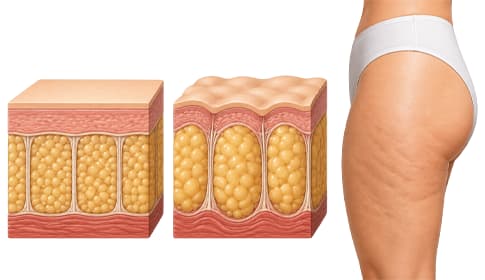
You probably know the sight: dimpled, orange-peel-like skin on the inner thighs, buttocks or around the abdomen, which neither exercise nor a strict diet can completely remove. This is cellulite – officially known as gynoid lipodystrophy – and it is not exclusively related to body weight, nor is it merely an aesthetic nuisance.

Cellulite is an aesthetic problem that—although not life‑threatening—affects millions of women. It is essentially a weakness of the connective tissue. If you notice cellulite on your thigh or buttock, waste products have accumulated in the dermal layer of your skin. They draw water from the surrounding tissues, producing a lumpy surface that resembles orange peel.
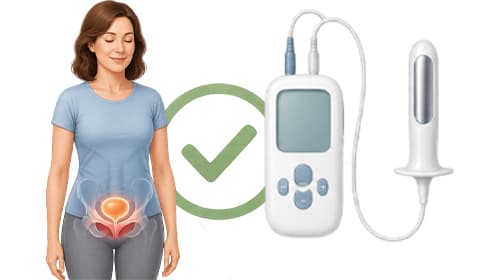
Incontinence – the inability to control urine or stool – means the affected person cannot hold back urine or cannot control bowel movements. This is not a natural part of aging, and you should not have to “get used to it”. It is estimated that about 500,000 people in Hungary struggle with some degree of incontinence, but many remain silent because of shame.
In my experience, most patients believe the only solution is the “adult” diaper. However, targeted pelvic floor muscle training – sometimes supported by electrical stimulation – can produce meaningful improvement in a large proportion of cases.1
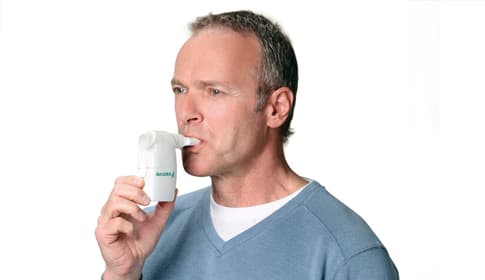
If you suffer from a chronic airway disease – COPD, cystic fibrosis or recurrent bronchitis – you probably know the feeling of having lungs that feel full, yet coughing doesn’t really clear them. This is not a matter of negligence: the problem has a physical cause that plain coughing alone cannot resolve.
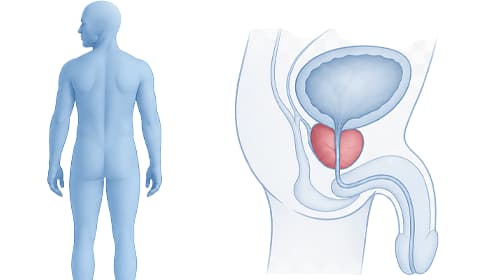
If you have undergone a prostatectomy — that is, prostate surgery — you have likely noticed changes in your erections after the procedure. This is not your fault, nor is it necessarily permanent or unchangeable. It is the consequence of a biological process that can be influenced.
Here are the important things to know!
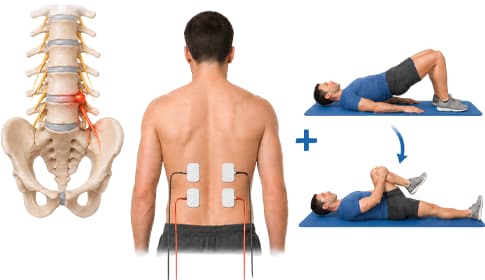
If you have a herniated disc, you have almost certainly already been given this advice: “Exercise regularly and it will get better.” That is true – but only partly. Physiotherapy is fundamentally important and necessary, but in a significant proportion of cases it is not enough on its own.
In this article, you can read some important information about how you can help yourself.
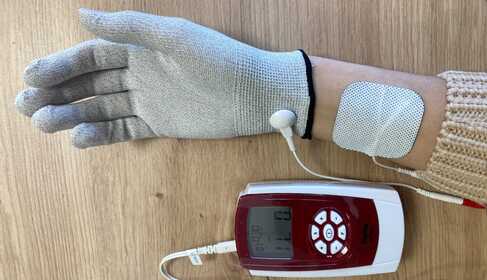
Peripheral neuropathy is damage to peripheral nerve fibers that causes sensory disturbances and balance problems with instability. Its main symptoms are tingling, numbness, burning sensations and a vibration-like feeling. Pain often worsens at night, and touching the affected area or even temperature changes can increase it. Neuropathy is not currently curable, but symptom relief — although limited — is possible.

If your dog or cat has respiratory problems – coughing, breathing with difficulty or showing allergy symptoms – you are probably looking for ways to help. Salt therapy (halotherapy), which has long been used as a complementary method for respiratory complaints in people, can also be used with pets. In this guide, I explain when and how you can use it at home.
If you exercise – whether you are an amateur runner, cyclist or competitive athlete – you know how important effective breathing is. A well-functioning respiratory system delivers more oxygen to the muscles, improves endurance and speeds recovery. Salt therapy (halotherapy) is a simple, natural method that may help optimise your airways – before and after training, and on rest days too.

