Blog

Female urinary incontinence is often caused by uterine prolapse (prolapsus uteri) or bladder prolapse (prolapsus vesicae). In these cases the uterus or bladder is displaced from its position, descends downward, and presses on the pelvic floor muscles. This can cause a constant uncomfortable sensation, make sexual activity painful, and disrupt urinary and fecal continence.
Its treatment is more difficult than that of “simple” incontinence – but with early detection pelvic floor muscle training and electrostimulation can bring real improvement.
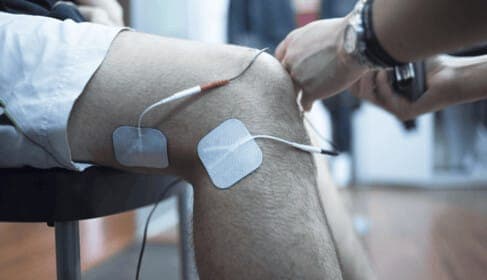
Microcurrent therapy (MENS) is the lowest-current branch of classical electrotherapy: it operates in the 10–600 microampere (µA) range, which is a thousandth of typical TENS amplitudes. The user typically does not feel the current, which makes it suitable for treating particularly sensitive or painful areas (inflamed joint, fresh scar). In this practical guide we cover: when to use it, how to place the electrodes, which parameters to set, and when NOT to use it.
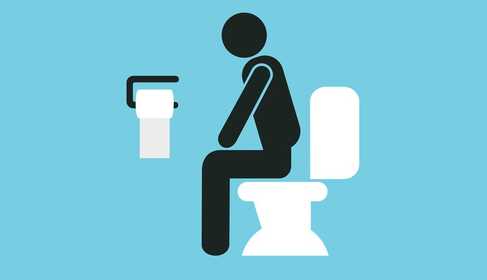
Fecal incontinence (anal incontinence) means that stool or intestinal gas is passed involuntarily because of weakness or injury of the anal sphincter. Most people affected stay silent out of shame, yet estimates suggest tens of thousands of people in Hungary are affected — especially older adults and women in the postpartum period.

There is a scene every doctor knows. The patient hesitantly asks: “Doctor, can I drink some herbal tea as well?” — and the answer is usually an evasive shrug. Patients often conclude from this that doctors “look down on natural remedies”, or that tea does not matter anyway. Neither is true. This article is about the truth between these two extremes.

“I read about electrical stimulation and would like some advice. I'm a bodybuilder and my primary goals are increasing muscle mass and relaxing the muscles. Please help me choose a device.” I received this question recently. I think many people might be interested in my answer, so I'm sharing it.
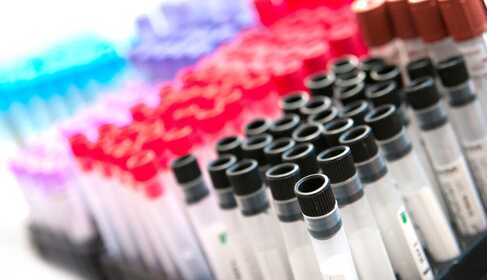
A large proportion of diseases do not develop in a single moment, but rather through a slow process that can take years. It may happen that during this time you notice no symptoms. In this early (so‑called preclinical) stage the disease can still be eradicated and the process stopped. If the disease is not detected and is only noticed when symptoms appear, interventions are usually too late and often there is no possibility to reverse the process. A screening test is a procedure suitable for detecting signs indicative of disease in the early, still asymptomatic phase.
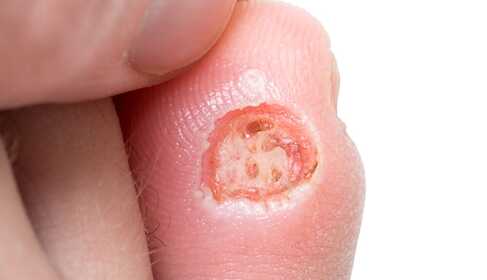
The dreaded complication of diabetes is the diabetic foot, which at first manifests “only” as pain and sensory disturbances, but over time can lead to much more serious consequences. Because of worsening circulation, tissues can die in small areas and a skin wound (ulcer) forms. If the process worsens, it can cause tissue death affecting the toes or even the forefoot. Treating the diabetic foot and avoiding severe consequences largely depends on you: what and how much you eat, how much you move, and whether you follow medical instructions.

The weight-loss industry makes billions every year by presenting something simple as complicated: if you consistently take in less energy than you use, you lose weight. This is not an opinion but physics — no diet, shake, belt or tablet can get around it. My old article got this far too, and the statement is still true today. But the situation is often very complicated.

Back pain is one of the most common reasons people visit a doctor today. It can trouble you from the moment you wake up, won’t stop while you work, and even when you sit down in your armchair at home it doesn’t go away. Worse — the more you rest it, the more it hurts. Let’s look at the information that can help you avoid back pain.
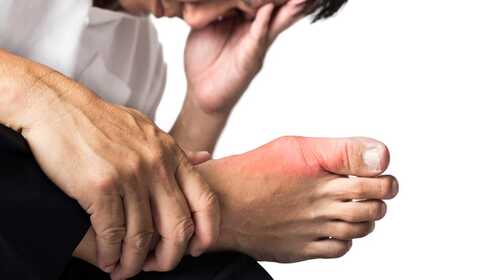
When you receive physiotherapy treatment to treat an injury, inflammation or pain, you may be surprised to find that after the first few sessions your symptoms do not ease but become worse.
But why can the pain increase? What should you do then? Should you stop the treatment or continue? That is what I have written about here.
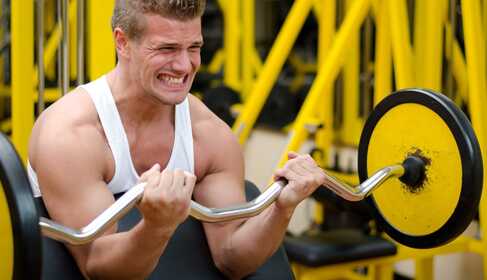
I previously wrote about the importance of muscle fiber ratio for sports performance. Now I'll explain how you can simply assess which fibers you have. Although these methods do not give an exact percentage result but rather an estimated value, this is sufficient for planning your training. The precise determination of muscle fiber ratio can only be done by analyzing a piece of muscle tissue taken from the muscle (e.g., surgically excised) — which is why this type of examination is performed only very rarely and, of course, most athletes do not need it. At most, it can be important for top athletes aiming to maximize performance.