
Blog
The proper role of breathing is important in most sports — a requirement and guarantee of outstanding performance. In our country many coaches and athletes are still at the beginning of breathing training. Yet by focusing on breathing during training, and by consciously applying the technical devices and tricks developed for this purpose, endurance can be increased and recovery accelerated. The training mask The favorable effects can be achieved through the regular use of appropriate aids (the best known is the training mask) and/or by regularly performing breathing exercises developed for this purpose for a sufficient period of time.

Few medicines provoke as much emotion as steroids. One side sees them as a miracle cure because they “work where nothing else does”. The other wants nothing to do with them because they “ruin the body”. As a doctor, I say this: both sides are wrong — and both are right. This article explains how both can be true at the same time.
Respiratory muscle training is a technique aimed both at exercising the muscles involved in breathing and at improving the performance of the respiratory system, ultimately boosting endurance and recovery capacity. Typically, breathing exercises are recommended for people with respiratory diseases such as asthma, COPD, bronchitis and emphysema. Athletes have also discovered its benefits and use it in everyday training — studies have confirmed the advantages of respiratory muscle training in athletes.
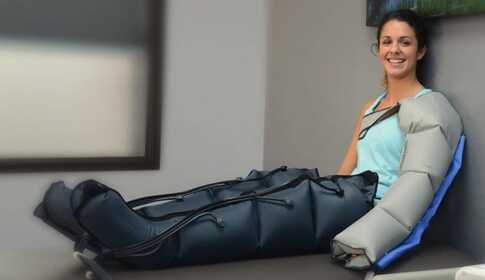
In various news reports you may see athletes sitting in suit‑like outfits – but the reports usually omit what this “garment” is for. It’s not for space travel! The method is pneumatic compression, and its goal is to speed up and improve muscle recovery. In this article I will explain in detail how IPC works, when you should use it, and how it fits into the sports recovery toolkit.
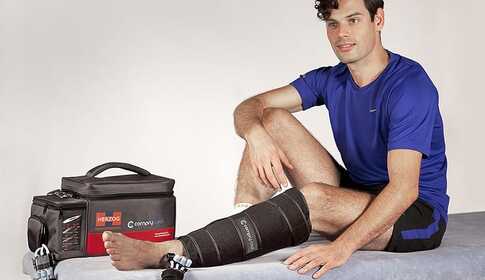
Most athletes know the post-injury recovery RICE method: Rest, Ice, Compression, Elevation – rest, icing, compression, elevation. Cold compression, also known as a ice massage machine, refines the RICE principle and provides help not only to athletes but also to people recovering from surgery and to those with acute muscle or joint injuries.
Leg cramps in athletes (even when frequent) are not a disease but a symptom. They indicate that something isn’t right during your training or matches. Let’s go through what can increase the tendency of your leg muscles to cramp.

Cellulite is an aesthetic problem that—although not life‑threatening—affects millions of women. It is essentially a weakness of the connective tissue. If you notice cellulite on your thigh or buttock, waste products have accumulated in the dermal layer of your skin. They draw water from the surrounding tissues, producing a lumpy surface that resembles orange peel.
The number of cancer patients worldwide is increasing. Some pessimistic estimates suggest that nearly 40% of men and women in developed countries will be diagnosed with cancer during their lifetime. (1) Although there are continual new discoveries in cancer research, treatments and potential cures, reality still shows the same trend — cancer is becoming more common and your risk is high […]
Cycling will make my legs too bulky! If you belong to those who worry about this, don’t panic. Contrary to the myth, cycling alone won’t give you huge legs. To get that you’d also have to focus seriously on increasing muscle size with weight training. However, you can build nice muscles just by cycling! Strengthen your leg muscles with the following exercises Low-cadence “Grind”: set […]
Did you know who benefits from vibration training and why? Many beliefs and misconceptions circulate about vibration trainers. Let’s go through the questions you should be aware of if you want to experience the beneficial effects of vibration. I find it interesting to mention that on many forums vibro training receives mostly praise — the majority of commenters are fully satisfied with the device. […]
“The opposite of relaxation is a tense state in which the muscles contract. During stretching we train ourselves to let go of the muscles' cramped, contracted state. A full stretch results in complete relaxation” Iyengar If you already find traditional stretching exercises boring, call in the vibration trainer to help with stretching too! Just a few minutes, and you'll feel reborn. […]

