



The SonicRelief device emits a 1 MHz therapeutic ultrasound beam used to treat musculoskeletal (tendon, ligament, muscle) inflammations, injuries and degenerative conditions.

TENS device specialised for pain management
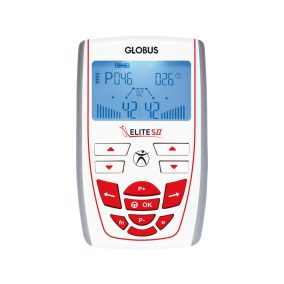


Elite SII electrotherapy device. TENS / EMS / FES. 2 channels, battery powered.



Premium 400 multifunctional electrotherapy device. TENS / EMS / MCR-MENS / FES / iontophoresis. Specialized programs: running, cross-country skiing, combat sports, tennis, football, cycling. 4 channels, battery operated.
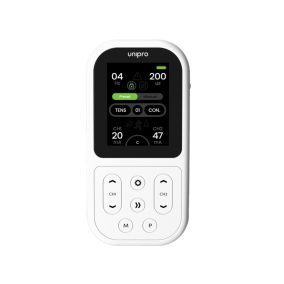
The UniPro is a two-channel, multifunctional electrotherapy device providing TENS, EMS, microcurrent and interferential (IF) treatments.
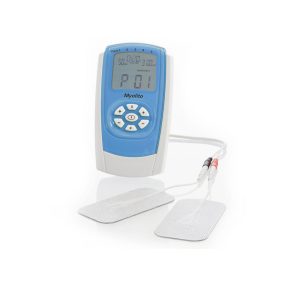
Myolito electrotherapy device with TENS, EMS and FES (incontinence) programs



Genesy 300 Pro multifunctional electrotherapy device. TENS / EMS / MCR-MENS / FES / iontophoresis. 4 channels, battery-powered.



The Globus Genesy 1500 — one device for hundreds of complaints.
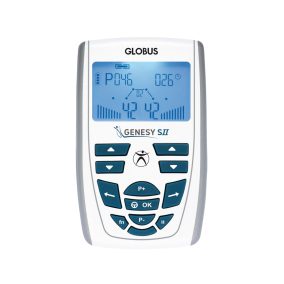


2-channel TENS | EMS | iontophoresis device. 60 types of pain-relief, rehabilitation, iontophoresis and incontinence programs.
Knee pain is one of the most common musculoskeletal complaints, which can significantly affect quality of life. Due to the complex structure of the knee joint, many different causes can underlie the pain. The knee is not only the largest and one of the most complex joints in the body but also subjected to significant stress during our daily movements.
The most common causes of knee pain
The pain may be due to degenerative changes (osteoarthritis), inflammatory processes (arthritis), injuries (ligament or meniscus tears), overuse or improper movement patterns.
Degenerative changes become more common with age, but conditions causing knee pain can also develop at a younger age, especially in athletes or those performing physical labor.
Symptoms and recognition
Characteristic symptoms of knee pain include pain on weight-bearing or constant pain, reduced range of motion, swelling around the knee, a sensation of warmth in the joint, as well as joint stiffness, especially in the morning or after prolonged rest. In some cases, creaking or cracking sounds may be heard during movement.
The importance and limitations of home treatment
Knee pain can be treated at home. Only regular treatment helps relieve symptoms, slow progression and improve quality of life.
It is important that home treatment is preceded by specialist medical consultation, and that you carry out the professional's therapeutic plan at home. Initially, regular check-ups are recommended so that the treatment plan can be adjusted according to changes in your condition.
Our therapeutic devices for home treatment
Electrotherapy devices
Electrotherapy devices stimulate muscles and nerves with various electrical impulses. TENS (Transcutaneous Electrical Nerve Stimulation) devices are primarily effective for pain relief. EMS (Electrical Muscle Stimulation) devices help develop muscle strength and aid muscle regeneration (strong leg muscles ensure knee joint stability, making leg muscle strength fundamentally important for preventing knee issues). Microcurrent and interferential therapies are suitable for treating pain and inflammatory conditions.
Which form and program of electrical treatment is necessary depends on the type of knee pain.
Low-level laser devices
Devices used in low-level laser therapy emit light of a specific wavelength, which stimulates cell regeneration, reduces inflammation, and relieves pain. The treatment is completely painless, and regular use can significantly improve the condition of the knee. Laser therapy can be particularly effective for chronic knee pain.
Magnetic therapy devices
Magnetic therapy devices generate a pulsed magnetic field that improves blood circulation, reduces inflammation, and supports tissue regeneration. The devices can be used for both acute and chronic pain. During treatment, the magnetic field penetrates the tissues, exerting its effects in deeper layers as well.
Therapeutic ultrasound devices
Therapeutic ultrasound devices treat the affected area with high-frequency sound waves. The ultrasound creates a micro-massage in the tissues, improving blood circulation, reducing pain and stiffness. Ultrasound therapy can be particularly effective for treating deep tissue structures.
Safe use of the devices
Before using therapeutic devices, the user manual must be read thoroughly in all cases. The duration and frequency of treatments should be determined based on the guidance of a specialist or physiotherapist.
It is important to observe contraindications, for example, certain therapies cannot be used during the acute stages of inflammatory processes or in cases of implanted electrical devices (pacemaker).
Additional elements of treatment
In addition to home device treatments, appropriate exercises, proper posture, and lifestyle changes play an important role. Avoiding overexertion, wearing suitable footwear, and weight reduction when necessary can all contribute to relieving knee pain.
When to consult a doctor?
In certain cases, immediate medical consultation is necessary; do not start home treatment. Such cases include sudden severe pain, significant swelling, knee instability, or pain accompanied by fever.
Home treatment should only be carried out after the cause of the problem has been investigated and upon recommendation by a doctor or therapist.
For selecting the therapeutic device appropriate for your diagnosis, seek the assistance of our expert!

