
 Osteoarthritis – devices for pain relief and joint protection
Osteoarthritis (degenerative joint disease) is the most common joint disease: the gradual wear of the joint cartilage affects more and more people with age. As the cartilage becomes thinner, friction between the bone surfaces increases, causing pain, joint stiffness and restricted movement – typically in the joints of the knee, hip, hand and spine. Cartilage wear does not reverse on its own, but symptoms can be relieved effectively, the process may be slowed, and quality of life can be preserved. Alongside exercise and physiotherapy, home-use physical therapy devices may also provide supportive help.
 Strong muscles protect the joint
A two-way approach is important: first, reducing pain and inflammation (TENS, soft laser, ultrasound, magnetotherapy), and second – often overlooked – strengthening the muscles around the joint. Strong muscles stabilise and unload the joint, which is one of the keys to reducing pain and slowing progression. Electrical muscle stimulation (EMS) may complement physiotherapy when building muscle strength. Important: these devices treat symptoms; they do not reverse cartilage wear.
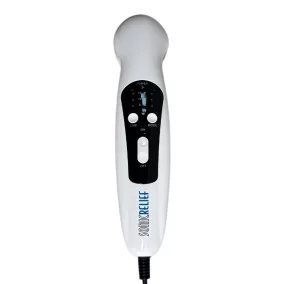


The SonicRelief device emits a 1 MHz therapeutic ultrasound beam used to treat musculoskeletal (tendon, ligament, muscle) inflammations, injuries and degenerative conditions.
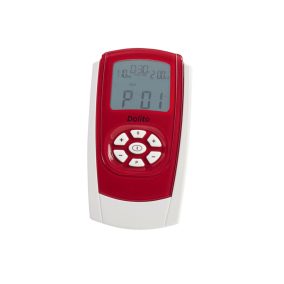
TENS device specialised for pain management
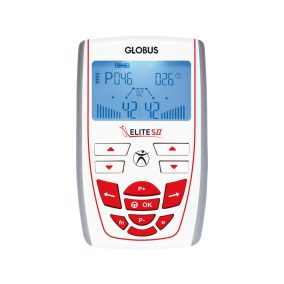


Elite SII electrotherapy device. TENS / EMS / FES. 2 channels, battery powered.
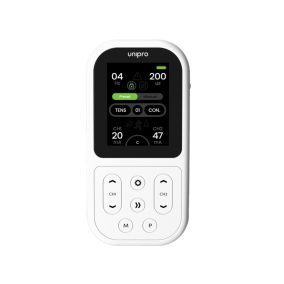
The UniPro is a two-channel, multifunctional electrotherapy device providing TENS, EMS, microcurrent and interferential (IF) treatments.



Premium 400 multifunctional electrotherapy device. TENS / EMS / MCR-MENS / FES / iontophoresis. Specialized programs: running, cross-country skiing, combat sports, tennis, football, cycling. 4 channels, battery operated.
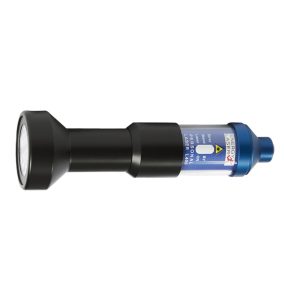


Personal-Laser L400 infrared soft-laser for point treatments. 400 mW continuous output, 808 nm laser beam. Delivers 4 Joules of energy in 10 seconds. Laser diode lifetime 10,000+ hours.



Genesy 300 Pro multifunctional electrotherapy device. TENS / EMS / MCR-MENS / FES / iontophoresis. 4 channels, battery-powered.
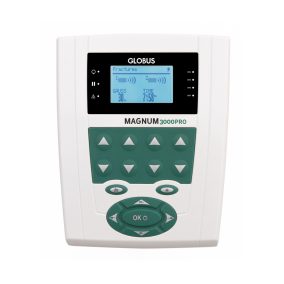


Magnetic therapy (PEMF) device. 2 channels / 400 Gauss total magnetic intensity. 70 programs
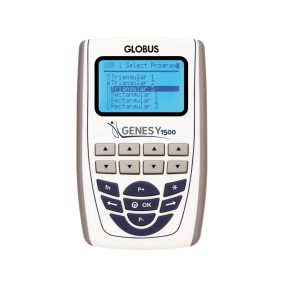


The Globus Genesy 1500 — one device for hundreds of complaints.
 Which methods may be suitable, and which device should you use?
Several physical therapy methods can be used as complementary home treatment for osteoarthritis – some help reduce pain and inflammation, while others strengthen the muscles that stabilise the joint. Their combination is often most useful, alongside physiotherapy and lifestyle changes. Let us look at the devices.
TENS relieves pain with mild electrical impulses, without medication, repeated as often as needed. TENS is a well-researched method for treating knee osteoarthritis: according to scientific reviews, it may help relieve pain and improve function. Treatment is typically carried out using electrodes placed on either side of the affected joint. Multifunctional electrotherapy devices (Elite SII, Genesy 300 Pro, Premium 400) offer TENS together with many other programmes.
This is an often neglected yet important approach. By strengthening the muscles around the joint, EMS may help stabilise and unload the joint – strong muscles are one of the keys to easing osteoarthritis symptoms and slowing progression. Strengthening the thigh and buttock muscles is particularly useful for knee and hip osteoarthritis. EMS complements physiotherapy; it does not replace it. Multifunctional devices (Genesy series, Premium 400) include muscle-strengthening programmes.
Soft laser uses light that penetrates deep into the tissues. It may reduce inflammation and pain, improve local microcirculation and support the nutrition of the joint cartilage. Several studies have examined soft-laser treatment for knee osteoarthritis: treatment applied at the appropriate dose has shown favourable results. As it can be used over the long term without side effects, it is a straightforward complementary method for osteoarthritis. You can read more about the method and its scientific background on a separate page.
Therapeutic ultrasound warms deeper tissue layers, improving blood circulation and reducing pain and joint stiffness – it is used as a course of treatment. Pulsed magnetotherapy (PEMF) may help reduce pain and inflammation and works gently over a larger area; regular use may help ease symptoms caused by osteoarthritis. Both methods are a straightforward option for treating larger joints (knee, hip, shoulder).
 Lifestyle matters at least as much
Alongside the devices, complementary methods are essential: an exercise programme prepared by a physiotherapist strengthens the muscles around the joint and improves range of movement, while weight loss directly reduces the load on weight-bearing joints (knee, hip). Regular, gentle exercise (swimming, cycling) helps maintain joint function. Among the devices, a multifunctional electrotherapy device is a good starting point because it combines pain relief (TENS) and muscle strengthening (EMS); soft laser and ultrasound require separate devices.
 Important information
Osteoarthritis treatment should be preceded by a specialist consultation, and the treatment plan should be prepared by a healthcare professional – the devices presented here are complementary and do not replace a medical examination. The devices relieve symptoms and may slow progression, but they do not reverse cartilage wear. Electrotherapy, ultrasound and soft-laser devices must not be used in cases of acute inflammation or fever, or where other contraindications apply (for example, a pacemaker, pregnancy or a tumour in the treatment area). Consult a doctor if sudden severe pain or significant swelling occurs, if joint movement becomes markedly restricted, or if the symptoms are accompanied by fever or skin redness. Osteoarthritis progresses slowly and symptom intensity fluctuates; when usual symptoms become worse, use treatment as recommended by your healthcare professional, and consult a doctor if symptoms are severe or unusual.
 Would you like to learn more?
Dr. Zsolt Zátrok explains the treatment of joint wear in detailed articles. About soft-laser treatment for joint inflammation, with the scientific background: Soft laser for treating joint inflammation →. Specifically about knee joint wear and its soft-laser treatment: Soft laser for treating knee pain and knee joint wear →
Frequently asked questions
No – worn cartilage does not grow back, and it is important to be realistic about this. What the devices may offer is relief from pain and inflammation, strengthening of the muscles around the joint and, as a result, slower progression and improved quality of life. The aim is therefore not to reverse wear, but to manage symptoms and preserve good joint function for as long as possible – together with physiotherapy and lifestyle changes.
Because the muscles around the joint stabilise and unload it. When these muscles are strong, less load is placed on the worn joint, which may reduce pain and slow further wear. This is why muscle strengthening is an important, often neglected part of osteoarthritis treatment – and EMS may support it alongside physiotherapy. Strengthening the thigh and buttock muscles is particularly helpful for knee and hip osteoarthritis.
In many cases, a multifunctional electrotherapy device (Elite SII as an entry-level option, or Genesy 300 Pro, Premium 400) is a good choice because it combines pain relief (TENS), muscle strengthening (EMS) and microcurrent. If you also want to focus on targeted treatment of inflammation, soft laser is a separate, well-researched option. Ultrasound is suitable for larger joints. You do not need everything at once – choose a device suited to your diagnosis together with your doctor.
In cases of acute inflammation or fever, electrotherapy, ultrasound and soft-laser treatment generally must not be used – in this situation, resting the affected joint and consulting a doctor come first. Physical therapy devices are more useful during periods of rest or when inflammation is not acute. If you are unsure whether you can use the device in your current condition, ask your doctor.
Before starting treatment, in any case, to establish the treatment plan. You should also consult a doctor if sudden severe pain or significant swelling occurs, if joint movement becomes markedly restricted, or if the symptoms are accompanied by fever or skin redness. Osteoarthritis progresses slowly and symptoms fluctuate; a temporary worsening of usual symptoms does not in itself require a new examination, but unusual or severe symptoms do.

