Rheumatoid arthritis – devices for relieving symptoms
Rheumatoid arthritis (rheumatism) is a chronic, multi-joint autoimmune condition in which the body attacks its own joints – causing painful swelling, morning stiffness and, over time, joint damage. It is one of the most serious rheumatological diseases. It cannot be permanently eliminated, but with early, appropriate treatment it can be kept well under control, helping to preserve quality of life. The basis of treatment is drug therapy prescribed by a rheumatologist; in addition, home physiotherapy devices may provide supportive help in relieving pain and inflammatory symptoms.
 Drug-based basic treatment cannot be replaced
Rheumatoid arthritis is an autoimmune disease. Its basic treatment – drug therapy prescribed by a rheumatologist to slow the progression of the disease – cannot be replaced by anything else. The devices presented here are intended solely to relieve symptoms (pain and inflammation) as a supplement. They do not slow the progression of the disease and do not replace medication. If you experience symptoms, see a rheumatologist as soon as possible: early diagnosis and treatment are crucial for protecting the joints.
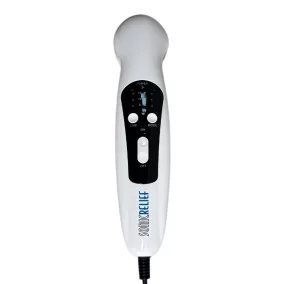


The SonicRelief device emits a 1 MHz therapeutic ultrasound beam used to treat musculoskeletal (tendon, ligament, muscle) inflammations, injuries and degenerative conditions.
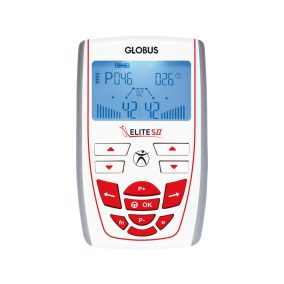


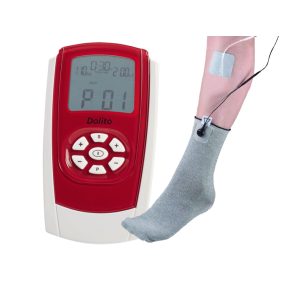
Elite SII electrotherapy device. TENS / EMS / FES. 2 channels, battery powered.
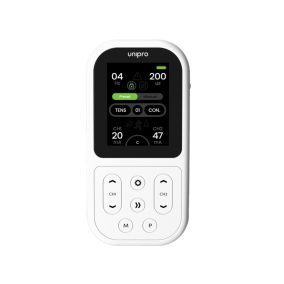
The UniPro is a two-channel, multifunctional electrotherapy device providing TENS, EMS, microcurrent and interferential (IF) treatments.



Premium 400 multifunctional electrotherapy device. TENS / EMS / MCR-MENS / FES / iontophoresis. Specialized programs: running, cross-country skiing, combat sports, tennis, football, cycling. 4 channels, battery operated.
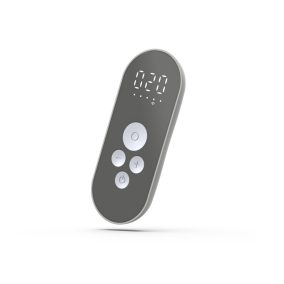


Neuromodulation device. Stimulates parasympathetic nervous system function via vagus nerve stimulation (tVNS).
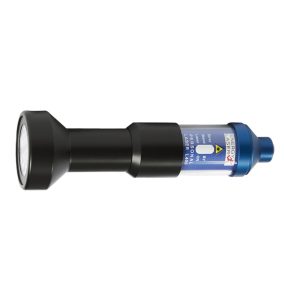


Personal-Laser L400 infrared soft-laser for point treatments. 400 mW continuous output, 808 nm laser beam. Delivers 4 Joules of energy in 10 seconds. Laser diode lifetime 10,000+ hours.



Genesy 300 Pro multifunctional electrotherapy device. TENS / EMS / MCR-MENS / FES / iontophoresis. 4 channels, battery-powered.
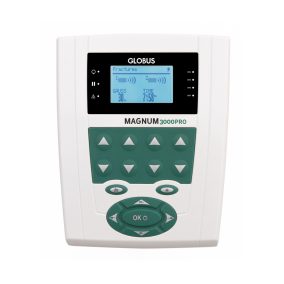


Magnetic therapy (PEMF) device. 2 channels / 400 Gauss total magnetic intensity. 70 programs
 Which methods may relieve symptoms?
Alongside drug-based basic treatment, several physiotherapy methods may support the relief of pain and inflammation. An important point: with rheumatoid arthritis, the disease may be in an acute flare-up at one time and in a quiescent phase at another – and this affects what is recommended (more on this below). The methods are most useful when combined. Let us look at the devices.
Soft laser is one of the most thoroughly researched home physiotherapy methods for rheumatoid arthritis. Light penetrating the tissues may have anti-inflammatory and pain-relieving effects, and may support joint regeneration. Several scientific studies suggest that, when used alongside drug treatment, it may have a favourable effect on symptoms, and in some cases the need for painkillers may decrease – but always discuss this with your treating doctor. As it can be used over a long period without side effects, it is a straightforward supportive option for rheumatism. You can read more about the method and its scientific background on a separate page.
TENS and microcurrent (MENS) therapy relieve pain without medication, using mild electrical impulses. The effect may last for several hours, and treatment can be repeated as often as necessary without side effects. Microcurrent may also support the regeneration of inflamed tissue. Multifunctional electrotherapy devices (Elite SII, Genesy 300 Pro, Premium 400 and versions with sports programmes) offer these functions together with many other programmes. Important: treating small joints (the fingers) requires care.
Therapeutic ultrasound improves local blood circulation by warming deeper tissues, eases stiffness in the joint ligaments and may relieve pain through its anti-inflammatory effect. It is primarily suitable for treating larger joints (the knee and shoulder); it is less practical for small joints. It is used as a course of treatment: after 10–15 treatments, a break of several months should be taken before treating the same area again.
This is the simplest method and can be started without delay, but it must be adapted to the phase of the disease. During an acute flare-up (a hot, swollen and very painful joint), cooling relieves pain and muscle spasm. In a quiescent phase, however, warmth (heat therapy, paraffin treatment or a warm compress) is useful: it reduces pain and relaxes the joint ligaments and muscles. Paraffin treatment is particularly useful for rheumatic pain in small joints (the fingers). Important: never apply heat to an acutely inflamed joint.
 Lifestyle: exercise, body weight and support alongside medication
Alongside the devices, lifestyle measures that complement drug treatment are also important: regular, gentle exercise (moving the joints through their range of motion), maintaining an ideal body weight (excess weight puts additional strain on the joints), and applying hot or cold therapy according to the disease phase. Among the devices, a multifunctional electrotherapy device is a good starting point because it offers TENS and microcurrent together; soft laser and ultrasound require separate devices. It is advisable to introduce every treatment in consultation with your rheumatologist.
Important information
Rheumatoid arthritis is a systemic autoimmune disease that can affect not only the joints but also other organs (the skin, eyes, lungs and heart) – therefore its treatment is the responsibility of a specialist rheumatologist. The devices presented here are only supportive options for relieving symptoms. They do not replace drug-based basic treatment and do not slow the progression of the disease. Applying heat to an acutely inflamed joint may worsen the complaint – take care to choose cold or warmth correctly. Electrotherapy, ultrasound and soft laser devices also have contraindications (for example, a pacemaker, pregnancy, a tumour in the treatment area or fever). See a doctor if you experience a new, severe flare-up, fever, significant swelling or symptoms outside the joints, or if your usual treatment does not keep the symptoms under control.
 Would you like to learn more?
Dr. Zsolt Zátrok presents rheumatoid arthritis in detail in an article covering the nature of the disease, its symptoms and home treatment options: Rheumatoid arthritis – a serious joint disease →. With the scientific background, on soft laser treatment for joint inflammation: Soft laser for treating joint inflammation →
Frequently asked questions
No. Rheumatoid arthritis is an autoimmune disease whose basic treatment is drug therapy prescribed by a rheumatologist to slow the progression of the disease – no device can replace it. Physiotherapy devices only relieve symptoms (pain and inflammation) as a supplement. It is true that in some patients, the need for painkillers may decrease alongside regular soft laser treatment – but always discuss any change to drug treatment with your treating doctor.
It depends on the phase of the disease, and choosing correctly is important. During an acute flare-up – when the joint is hot, swollen and very painful – cooling is the right choice: it relieves pain and muscle spasm. In a quiescent phase, however, warmth (heat therapy, paraffin or a warm compress) is useful because it relaxes the ligaments and reduces pain. Never apply heat to an acutely inflamed joint, as it may worsen the complaint.
Paraffin treatment is particularly useful for rheumatic pain in the small joints (the fingers), while soft laser can be applied directly to the painful joint. TENS/microcurrent helps with pain relief, but electrode placement on small joints requires care. Ultrasound is more suitable for larger joints (the knee and shoulder). It is advisable to choose the right method with your treating doctor or physiotherapist.
Because rheumatoid arthritis gradually damages the joints over time, and the damage cannot be reversed. Early diagnosis and starting drug treatment as soon as possible may slow the process and help preserve joint function and quality of life. Therefore, when symptoms appear (morning stiffness in the hands, symmetrical joint swelling and pain), it is important to see a rheumatologist as soon as possible – physiotherapy complements this treatment; it does not replace it.
At the first appearance of symptoms, because early treatment is important. You should also see a doctor if you experience a new, severe flare-up, a high fever or significant joint swelling, if symptoms outside the joints appear (skin, eye or breathing problems), or if your usual treatment does not keep the disease under control. As rheumatism is a systemic disease, regular rheumatological follow-up is the basis of safe treatment.