
Blog
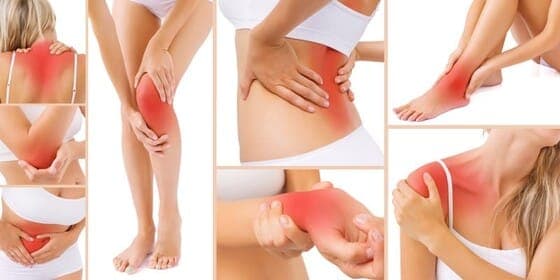
TENS (transcutaneous electrical nerve stimulation) is the most commonly used and clinically best-studied form of home electrotherapy. The 2022 Johnson meta-analysis, which analyzed 381 studies, also confirmed that TENS can contribute to pain reduction as an adjunct treatment for both chronic and acute pain.
The principle of TENS is simple: mild electrical impulses reach the sensory nerves through pads placed on the skin. This activates two mechanisms: according to the gate theory it can reduce pain transmission to the brain, and it can also promote the release of endogenous opioids (endorphin, enkephalin). For the user this is experienced as a "tingling" sensation and typically a reduction in pain.
Biofeedback is a therapeutic method that uses real-time sensors to measure bodily functions that are otherwise invisible or difficult to sense – muscle contraction (EMG), muscle pressure, heart rate, breathing, brain waves, blood pressure and temperature – and displays them to the user visually or acoustically. Accurate feedback makes it possible to learn targeted self-regulation, so the patient actively participates in rehabilitation. One advanced form of the method is EMG-triggered stimulation (ETS), where the device automatically starts electrical stimulation when the threshold of the patient's own muscle activity (measured EMG signal) is reached – this is particularly important in post-stroke motor rehabilitation.
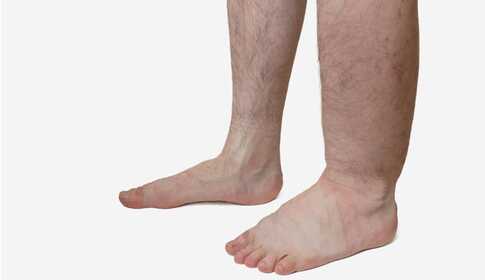
If you have noticed that your ankle is swollen or that your sock leaves a mark above your ankle, don't dismiss it! Swollen legs (or, as doctors call it, an oedematous leg) can have thousands of possible causes. Some are harmless, while others require close attention.
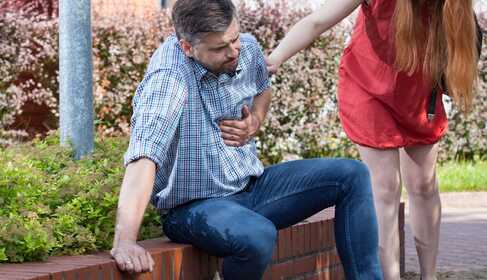
Chest pain can take many forms, from sharp stabbing to dull throbbing. It can be a crushing pressure or a burning sensation. It may climb up to your neck, shoot into your jaw, and radiate to your back or one or both arms. Chest pain can be triggered by a variety of problems. Among the most dangerous causes are diseases of the heart and lungs. Because of these risks, it is essential to seek medical help immediately when chest symptoms appear. Depending on what causes the chest pain, it can produce many different sensations. Often its onset has nothing to do with your heart, although this is difficult to determine without a medical examination.
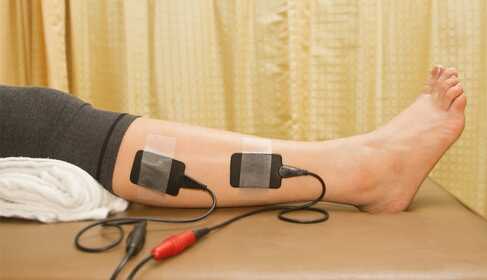
The paradigm shift changing chronic disease management If you live with chronic pain, musculoskeletal problems or a long rehabilitation ahead, you probably know the feeling: your doctor can spare a few minutes for you each month, your physiotherapist sees you once a week, and you are left alone with your symptoms for the remaining 167 hours. Home medical technology addresses this problem – it extends medical care into your home, so you are not left on your own between treatments.
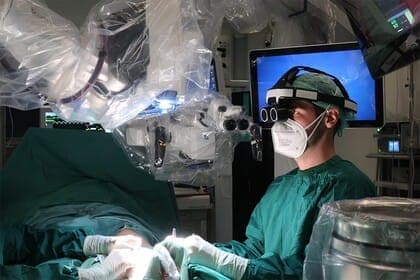
In my previous articles on lymphedema I did not mention the possibility of lymphatic reconstruction surgery. Medicine, however, is constantly changing and evolving. With the expanding possibilities of microsurgery we are getting closer to a surgical solution for lymphedema. Because many people may be interested in this option, I asked the field expert, lymphatic reconstruction surgeon Dr. Balázs Mohos, to help clarify the topic.

Scoliosis is a sideways curvature of the spine – but this definition tells only half the story. Scoliosis is actually a spatial, three-dimensional deformity: the spine curves not only sideways, but the vertebrae also rotate around their own axis. That is why it is not a “postural problem” that can be corrected through willpower – and why in adulthood it cannot be cured even with “miracle methods”.
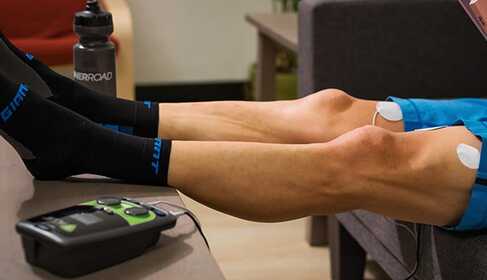
Among domestic athletes the stubborn belief persists that “you must train a lot and hard — nothing else is needed.” Many think the more they train, the more they improve! Those who do not understand how the human body works and how it responds to load may agree with them. In reality, however, this is not the case at all! During training destructive processes dominate in your body, which make improvement impossible. The effect of training does not take place immediately during the session, but afterwards, during rest. This process — regeneration — restores the stores “worn down” by training, heals torn fibers, clears metabolites and builds stronger tissue in their place. It has been proven that the correct balance of quality training and effective regeneration is the key to progress.

Most patients live under the mistaken belief that their complaints will disappear immediately after taking the first tablet or after a single physiotherapy session and that their health will be instantly restored. Well… that's not how it works. You need to understand a few things about how diseases develop and about your body's self-healing abilities.
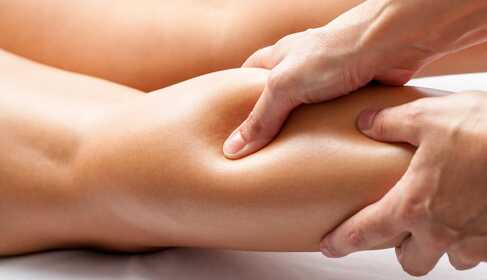
Massage is one of the oldest natural methods for treating muscles and thereby improving joints, ligaments, and, indirectly, the general condition of the whole body. For millennia massage has been performed by a masseur using his two strong arms as tools. Until now it made little sense to reconsider this, but technological development has reached a level that may make it worthwhile. […]

Sciatica, also known as sciatic neuralgia, is one of the most common and most painful musculoskeletal complaints. When the sciatic nerve, which starts in the lower part of the spine, is put under pressure, severe pain develops, and it can radiate from the buttock all the way to the toes.
The good news: You can do a lot yourself to ease your symptoms and aid your recovery! In this article, I’ll show you effective treatment methods that can be used at home, with which, alongside painkillers — or instead of them — you can improve your condition.

