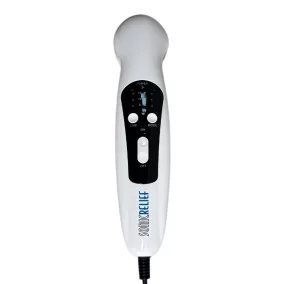


The SonicRelief device emits a 1 MHz therapeutic ultrasound beam used to treat musculoskeletal (tendon, ligament, muscle) inflammations, injuries and degenerative conditions.
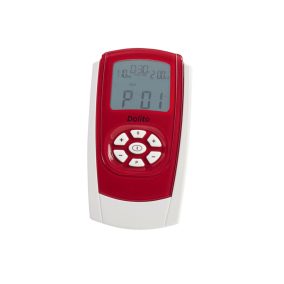
TENS device specialised for pain management
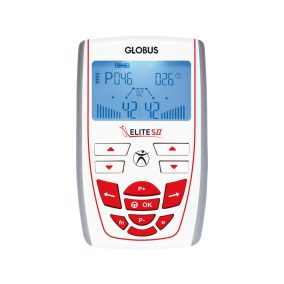


Elite SII electrotherapy device. TENS / EMS / FES. 2 channels, battery powered.
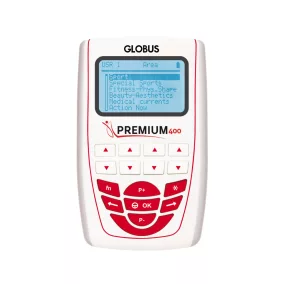


Premium 400 multifunctional electrotherapy device. TENS / EMS / MCR-MENS / FES / iontophoresis. Specialized programs: running, cross-country skiing, combat sports, tennis, football, cycling. 4 channels, battery operated.
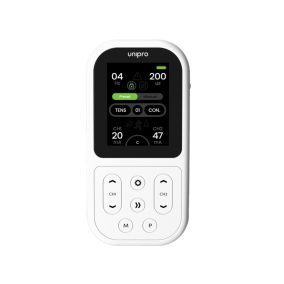
The UniPro is a two-channel, multifunctional electrotherapy device providing TENS, EMS, microcurrent and interferential (IF) treatments.
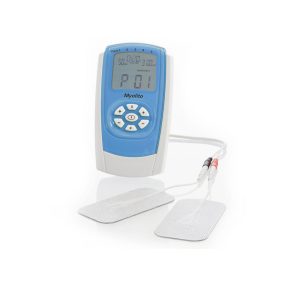
Myolito electrotherapy device with TENS, EMS and FES (incontinence) programs



Genesy 300 Pro multifunctional electrotherapy device. TENS / EMS / MCR-MENS / FES / iontophoresis. 4 channels, battery-powered.
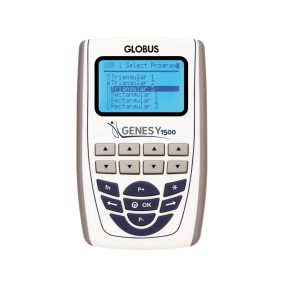


The Globus Genesy 1500 — one device for hundreds of complaints.
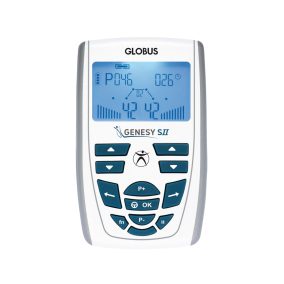


2-channel TENS | EMS | iontophoresis device. 60 types of pain-relief, rehabilitation, iontophoresis and incontinence programs.
The shoulder girdle is one of the most complex and mobile joint systems in the human body. Shoulder pain is an extremely uncomfortable condition, as moving our arm is indispensable for almost every daily activity. The shoulder joint's uniqueness lies in its large range of motion, which, however, is achieved at the expense of the joint's stability, making this area more vulnerable.
The Most Common Causes of Shoulder Pain
There can be numerous causes behind shoulder pain.
Among the most common is rotator cuff syndrome, which involves issues with the muscles and tendons that move and stabilize the shoulder joint.
Frozen shoulder syndrome is also common, during which the joint capsule thickens and contracts. In impingement syndrome, the space beneath the acromion narrows and the structures passing through it become pinched.
You may also develop tendon inflammation around the shoulder, joint wear (osteoarthritis), or pain radiating from cervical spine issues.
Symptoms and Recognition
The characteristic symptoms of shoulder pain include pain that intensifies with movement, especially when lifting or rotating the arm. Resting pain is also common and may worsen at night. Restricted range of motion, decreased muscle strength, as well as swelling and warmth around the shoulder are also typical symptoms. A sudden onset of pain or accompanying limited movement and weakness are particularly warning signs.
The Importance and Limitations of Home Treatment
Many forms of shoulder pain can be effectively treated at home. Only regular treatment helps alleviate symptoms, slow progression, and improve quality of life.
It is important that home treatment is preceded by a specialist consultation and that you follow a therapeutic plan provided by a professional at home. Initially, regular check-ups are recommended to adjust the therapeutic plan according to changes in symptoms.
Our Therapeutic Devices for Home Treatment
Electrotherapy Devices
Electrotherapy devices stimulate muscles and nerves with various electrical impulses.
TENS (Transcutaneous Electrical Nerve Stimulation) devices are primarily effective for pain relief.
EMS (Electrical Muscle Stimulation) devices help develop muscle strength and aid muscle regeneration (strong leg muscles ensure knee joint stability, so the strength of leg muscles is fundamentally important to prevent knee issues).
Microcurrent and interferential therapies are suitable for treating pain and inflammatory conditions.
Soft Laser Devices
Soft laser therapy can be particularly effective for treating soft tissues around the shoulder joint. The laser light stimulates cellular metabolism, accelerates the regeneration of damaged tissues, and has a significant anti-inflammatory effect. The treatment is completely painless, and with regular application, long-term improvement can be achieved.
Magnetic Therapy Devices
Magnetic therapy devices use a pulsed magnetic field for healing. The magnetic field penetrates tissues, improves microcirculation, reduces inflammation, and supports natural healing processes. They can be particularly effective for chronic pain and joint stiffness.
Therapeutic Ultrasound Devices
Therapeutic ultrasound works deep within tissues. The micro-massage generated during treatment improves tissue blood supply, relieves muscle tension, and reduces pain. Ultrasound therapy is particularly suitable for treating deep tissue structures, such as the joint capsule and tendons of the shoulder.
Safe Use and Precautions
Before using therapeutic devices, it is essential to study the detailed user manual. Each device has conditions (contraindications) under which treatment cannot be applied – for example, acute inflammation, fever, or implanted electrical devices. The optimal duration and frequency of treatments should always be determined by a specialist physician or physiotherapist.
Supplementary Therapeutic Options
In addition to device treatments, it is crucial to perform proper physiotherapy exercises regularly. Establishing correct posture, strengthening and stretching the shoulder girdle muscles, and avoiding overloading all contribute to recovery. Considering ergonomic aspects at work and at home is also key for prevention and treatment.
When to Consult a Doctor?
In certain cases, you should not start home treatment but seek immediate medical examination. These include sudden severe pain, significant swelling and redness, inability to lift the arm, or if general symptoms (fever, malaise) accompany the pain.
Home treatment should only be performed after the cause of the problem has been investigated and on the recommendation of a doctor or therapist.
For help selecting the therapeutic device appropriate for your diagnosis, ask our expert!