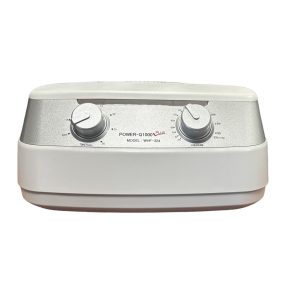


Power Q-1000 Plus lymphatic massage device. Basic feature set. 4-chamber leg, arm, hip/buttock and short-trouser cuffs sold separately, available in multiple sizes.



Premium 400 multifunctional electrotherapy device. TENS / EMS / MCR-MENS / FES / iontophoresis. Specialized programs: running, cross-country skiing, combat sports, tennis, football, cycling. 4 channels, battery operated.
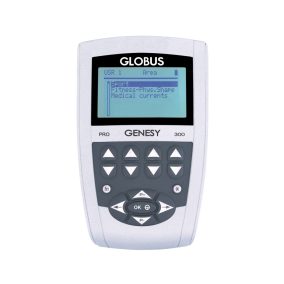


Genesy 300 Pro multifunctional electrotherapy device. TENS / EMS / MCR-MENS / FES / iontophoresis. 4 channels, battery-powered.
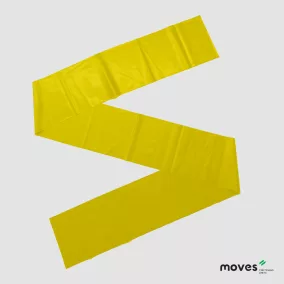

The Moves Band is a reliable tool for professionals in physiotherapy, rehabilitation, and fitness. This dust-free, latex-based, premium quality resistance band is an ideal choice for everyday use, whether for muscle strengthening, mobilization, or functional training. The Moves Band not only helps increase range of motion but also develops muscle strength and the coordinated function of muscle groups.
What's in the package?
- Yellow - 1 pc - 1.0 to 2.3 kg resistance band
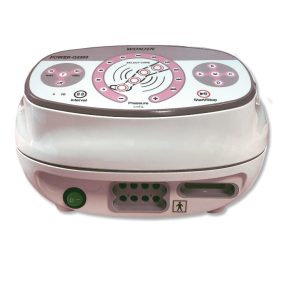


Power Q-2200 compression therapy unit. Mid-range level. 4-chamber leg, arm, hip/buttock and shorts cuffs are sold separately and available in multiple sizes.
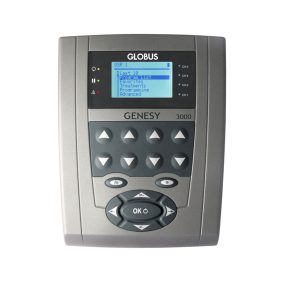


A Globus Genesy 3000 is a single device for hundreds of complaints.
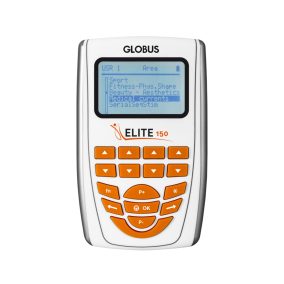


Elite 150 electrotherapy device. TENS / EMS. 4 channels, 150 treatment programs, battery powered.


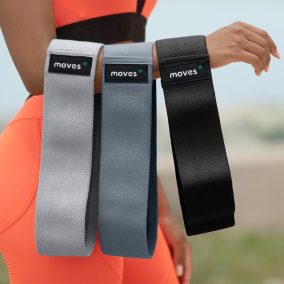


The Moves Resistance Fabric Loops set is a modern and comfortable solution for those who want to effectively develop their muscle strength, mobility, or stability. The set, containing three fabric loops with different levels of resistance, is an ideal choice for functional training, rehabilitation, and body shaping.
Multiple sclerosis (MS) is a chronic neurological disease characterized by inflammation and neurodegeneration of the central nervous system, causing various physical and cognitive problems. Common symptoms include muscle weakness, spasticity and reduced range of motion, muscle pain and incontinence, which significantly affect quality of life.
Neuromuscular electrical stimulation (NMES, also known as EMS) is a therapeutic method that may help alleviate these muscle issues. Let’s look at how NMES works, how beneficial it is for people with MS, and what key considerations to keep in mind when applying it.
What is NMES (EMS)?
NMES involves applying electrical impulses to peripheral nerves via skin electrodes to induce muscle contractions. This method aims to strengthen muscles, improve motor control and potentially promote neuroplasticity. In MS, NMES targets muscle groups affected by demyelination and resulting motor deficits, with the goal of restoring or improving functional abilities.
Effectiveness of NMES in MS
The use of NMES (EMS) in individuals with MS has shown promising results:
- Muscle strength and mass: One study found that muscle stimulation increased thigh muscle mass and leg strength in people with advanced MS.
- Spasticity and range of motion: Another study reported that EMS, after just 18 treatment sessions, significantly improved muscle strength, reduced spasticity and increased range of motion.
- Functional mobility: NMES contributed to improved walking ability, enabling patients to perform functional movements more effectively.
These results suggest that NMES can be a valuable adjunct to rehabilitation in people with MS, helping to improve muscle function and overall mobility.
Key considerations when applying NMES
When integrating NMES into a treatment plan, several factors should be considered:
- Individualized treatment: It is important to tailor NMES parameters—such as frequency, pulse duration and intensity—to meet each patient’s unique needs and tolerance, maximizing benefits and minimizing discomfort.
- Combination with other therapies: NMES is most effective when used alongside other rehabilitation methods, such as physiotherapy and functional exercises, to address the complex issues associated with MS.
- Monitoring and safety: Regular monitoring of skin condition, muscle responses and overall patient comfort is necessary to prevent adverse effects and ensure the safe application of NMES.
- Patient engagement and mindset: Psychological factors play a significant role in functional outcomes; patients with a positive attitude are more likely to perceive benefits and pursue opportunities for successful movement.
Muscle stimulation in MS can be applied with the following goals:
Reducing spasticity
In multiple sclerosis, the connection between muscles and their motor nerves is damaged. As a result, your muscles become increasingly stiff and tight. This hinders movement and can even become painful.
In medical terms, this condition is called spasticity (increased muscle tone or stiffness).
With properly adjusted muscle stimulation, the muscle can relax. The innervating nerve “relearns” the correct tone. Tension disappears, pain decreases and involuntary jerks are reduced.
Maintaining or improving joint range of motion
Due to spastic muscles (i.e., stiffness), you cannot use the full range of motion of your joints, so, for example, your elbow or knee cannot fully extend or bend.
With muscle stimulation, the muscles can relax, allowing your range of motion to increase.
Improving muscle strength and performance
If spasticity is reduced or eliminated, and range of motion improves, muscles may feel stronger even though the contractile strength of muscle fibers hasn’t changed.
Muscle stimulation can improve muscle contraction timing and recruitment—ensuring muscle fibers contract simultaneously, more effectively and in a coordinated manner.
Combining physiotherapy exercises with muscle stimulation can help improve baseline strength and reduce muscle fatigue.
Improving bladder and anal sphincter control
One symptom of multiple sclerosis can be incontinence, meaning inadequate or impossible control of urine or stool. The cause is weakening of the pelvic floor sphincter muscles and dysfunction of their motor nerves.
In functional muscle stimulation studies, the majority of treated MS patients [75–85%] report improved bowel and bladder function.
Reducing the risk of respiratory infection
As long as a person with multiple sclerosis can walk, their respiratory muscles likely function normally. However, in those confined to a wheelchair, arm and chest muscle activity decreases, leading to restricted breathing and increased risk of respiratory infections.
One of the most serious problems is reduced coughing ability. Functional stimulation can help maintain the strength of the abdominal and trunk muscles. This aids coughing and airway clearance. Reducing stiffness in these same muscles can improve breathing and coughing by enabling deeper inhalation and better coordination of exhalation muscles.
Minimizing the risk of pressure sores
Pressure ulcers can develop due to multiple factors, including spasticity, joint stiffness and immobility, muscle paralysis and poorly designed wheelchairs.
Muscle stimulation can help reduce this risk. Improved joint range of motion and easier repositioning, along with decreased involuntary movements, all contribute. Maintaining muscle mass and tone distributes pressure more evenly across the skin, cushioning the pressure on bones.
In cases of established pressure ulcers, stimulation can accelerate healing. Improved microcirculation enhances skin and muscle oxygenation, promotes scar tissue formation and reduces infection risk.
Summary
NMES is a promising method for treating muscle weakness, spasticity and mobility limitations in individuals with multiple sclerosis. By inducing muscle contractions through electrical stimulation, NMES can improve muscle strength, reduce spasticity and enhance functional mobility. However, it should be applied in a personalized manner and as part of a comprehensive rehabilitation program to achieve the best results. Further research and clinical trials are needed to fully understand the long-term benefits and potential neuroprotective effects of NMES in people with MS.