Plantar fasciitis – devices for heel pain
Plantar fasciitis and the heel spur that often accompanies it are the most common causes of heel and sole pain. The two conditions are closely related: persistent overloading and inflammation of the plantar fascia can also cause a bony growth – a heel spur – on the heel bone, and their treatment is largely the same. This category covers both conditions.
Plantar fasciitis is caused by overloading of the strong connective-tissue sheet running along the sole from the heel to the toes (the plantar fascia) – typically as a result of prolonged standing, running, excess weight or unsuitable footwear. Its most characteristic symptom is stabbing pain with the first steps in the morning, which “loosens up” after a few steps but gradually becomes more persistent. It is a stubborn problem: treatment requires persistent work lasting weeks and often months – but it can also be carried out at home with physiotherapy devices.
 The secret: don’t treat only the heel – treat the calf as well!
The most important, and often overlooked, insight is that plantar fasciitis is in many cases caused by stiff calf muscles. A tight calf tilts the heel bone forwards through the Achilles tendon, which keeps the plantar fascia under tension even at rest – leading to inflammation. This is why treatment works in two directions: reducing inflammation and pain in the sole and, just as importantly, relaxing stiff calf muscles. Without this, the problem keeps coming back.
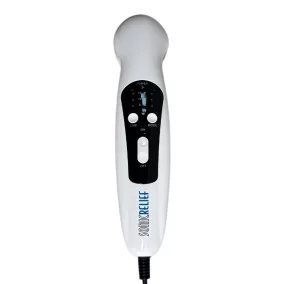


The SonicRelief device emits a 1 MHz therapeutic ultrasound beam used to treat musculoskeletal (tendon, ligament, muscle) inflammations, injuries and degenerative conditions.
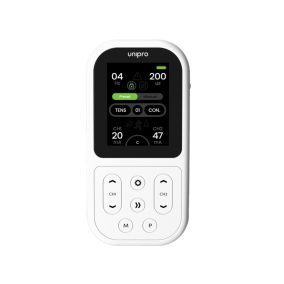
The UniPro is a two-channel, multifunctional electrotherapy device providing TENS, EMS, microcurrent and interferential (IF) treatments.
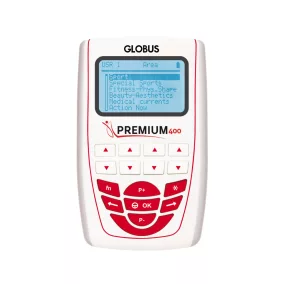


Premium 400 multifunctional electrotherapy device. TENS / EMS / MCR-MENS / FES / iontophoresis. Specialized programs: running, cross-country skiing, combat sports, tennis, football, cycling. 4 channels, battery operated.
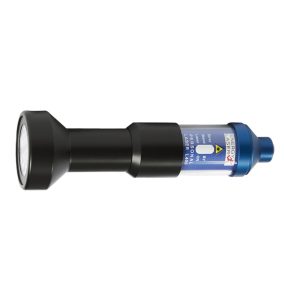


Personal-Laser L400 infrared soft-laser for point treatments. 400 mW continuous output, 808 nm laser beam. Delivers 4 Joules of energy in 10 seconds. Laser diode lifetime 10,000+ hours.



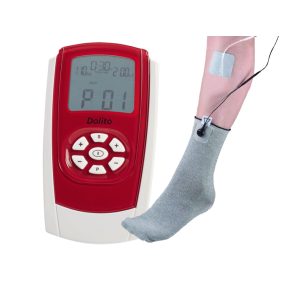
Genesy 300 Pro multifunctional electrotherapy device. TENS / EMS / MCR-MENS / FES / iontophoresis. 4 channels, battery-powered.
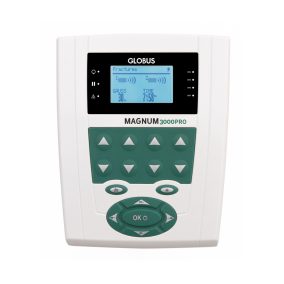


Magnetic therapy (PEMF) device. 2 channels / 400 Gauss total magnetic intensity. 70 programs
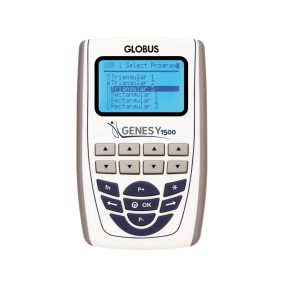


The Globus Genesy 1500 — one device for hundreds of complaints.
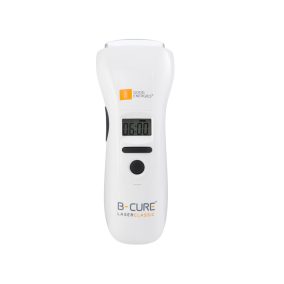


Easy-to-use 808 nm, 250 mW low-level laser device. Treats a 4.5 × 1 cm area at once. About 6 minutes per treatment point. Prism technology — safe to use without protective goggles when used as intended.
 The two directions of treatment – and which device to use
Treatment for plantar fasciitis has two targets: the underlying cause (stiff calf muscles) and the symptom (inflammation and pain in the sole). You are most likely to get a favourable result if you address both – while also reducing the load on the foot (suitable footwear, a heel insert, and reducing excess weight and overloading). Let’s look at the devices.
This is the most important and often neglected step. Relaxing the stiff calf allows the heel bone to move back into position and relieves abnormal tension in the plantar fascia. Several devices can help with this: muscle stimulation (with programmes for relieving muscle stiffness, improving circulation and warming up) is particularly effective because it significantly improves blood circulation in the treated muscle. A foam roller brings the benefits of massage and stretching into the home at low cost; foot devices that assist stretching (such as an ankle stretcher) are designed to relax the calf and ankle. Multifunction devices (Genesy 300 Pro, Premium 400, and Pro versions with sports programmes) include the necessary programmes.
Soft laser is a well-researched home method for heel pain and plantar fasciitis: light penetrating deep into the tissues may reduce inflammation and pain. Hold the device over the most painful point until the required energy has been delivered (typically 5–10 minutes, depending on the output). It is a simple, targeted treatment directed at the inflamed point of the sole. You can read more about the method and its use for heel pain on a separate page.
Microcurrent (MENS) supports the regeneration of inflamed tissue in addition to relieving pain – you can treat the area with electrodes placed around the painful region. Therapeutic ultrasound warms deeper tissues, improving local circulation and relaxing the stiff ligament; because the plantar fascia is close to the surface, it should be treated at low intensity and for a short time, using ultrasound gel. Both methods aim to reduce inflammation in the sole, as a complement to calf relaxation.
Cooling (10–15 minutes, not directly on the skin) reduces inflammation; rolling a frozen water bottle under the sole is a proven home method that cools, massages and stretches the fascia at the same time. It is also essential to reduce the load on the foot: wear low-heeled, supportive footwear, place a silicone insert under the heel, avoid walking barefoot on hard surfaces, and reduce excess weight. Without these measures, the effect of the devices is also limited.
 Combining methods is most useful – but reducing the load is the foundation
The more methods you combine, the more they can support one another. Good circulation is the foundation for reducing inflammation, and the methods above improve it. But no device is enough if the underlying causes remain: unsuitable footwear, overloading, excess weight and a stiff calf. Among the devices, multifunction electrotherapy devices (Genesy, Premium 400) offer microcurrent and muscle stimulation in one; soft laser and ultrasound are separate devices. You do not need to buy everything at once.
 Important information
Plantar fasciitis is a stubborn problem because the foot’s daily load works against recovery – which is why reducing the load and treating it consistently are particularly important. The devices presented here are complements to treatment and do not replace a medical examination. Heel pain is not caused only by plantar fasciitis; it may also result from a heel spur, Achilles tendon inflammation or a joint problem, for example. For persistent or severe symptoms, it is worth discussing the underlying cause with a doctor. If the problem does not improve over several weeks despite treatment, clinical physiotherapy, such as shockwave therapy, may also be considered, as decided by a specialist. Electrotherapy, ultrasound and soft laser devices also have contraindications, including a pacemaker, pregnancy, a tumour in the treated area and fever.
 Detailed guide and exercises
In a detailed article, Dr. Zsolt Zátrok explains plantar fasciitis – from how it develops to specific home treatment and calf-relaxing exercises: Plantar fasciitis (plantar fasciitis) →. Soft laser treatment for heel pain – heel spur, Achilles tendon and plantar fascia: Soft laser for heel pain →. If your heel pain is caused by a bony growth on the heel bone (heel spur), you can find devices for it on a separate page: Heel spur treatment – devices →
Frequently asked questions
Because plantar fasciitis is very often caused by stiff calf muscles: a tight calf tilts the heel bone forwards through the Achilles tendon, keeping the plantar fascia under tension even at rest. If you treat only the sole while the calf remains stiff, the problem keeps coming back. Relaxing the calf (with muscle stimulation, a foam roller and stretching) is therefore a key part of treatment, alongside reducing inflammation in the sole.
It is worth doing two things in parallel: reducing inflammation in the sole (soft laser, microcurrent or ultrasound on the painful point) and relaxing the calf (muscle stimulation, foam roller). A multifunction device (Genesy 300 Pro, Premium 400) covers both, with microcurrent and muscle stimulation in one. In addition, the quickest free step is reducing the load: good footwear, a heel insert and avoiding overloading. No device can replace this.
Plantar fasciitis is a stubborn problem: recovery often takes weeks or even months because the foot’s daily load works against recovery. Patience and consistency are essential – treatment should continue after the pain eases until full recovery, otherwise the problem may return. If it does not improve, see your doctor to discuss further options.
Low-heeled footwear that supports the arch well and cushions impact is recommended; a silicone insert under the heel may cushion the painful point. Avoid high heels, walking barefoot on hard surfaces (including at home), and worn-out, heavily used footwear (running shoes should be replaced after 600–800 km). It is worth taking a break from running and jumping – swimming and cycling are allowed. Reducing excess weight can also help considerably.
If the pain is severe or persistent, or if it does not improve over several weeks despite treatment. Heel pain can have several causes (plantar fasciitis, heel spur, Achilles tendon inflammation or a joint problem), so identifying the exact underlying cause is a medical task – and the appropriate treatment can then be selected. If conservative methods do not help, clinical physiotherapy, such as shockwave therapy, may be considered, as decided by a specialist.