Post-thrombotic condition – preventing recurrence and reducing symptoms at home
Deep vein thrombosis occurs when a blood clot (thrombus) forms in the deep veins, typically in the veins of the lower leg or thigh. A fresh thrombosis is life-threatening and can only be treated in hospital. This category is about the period after a completed thrombosis: deep vein thrombosis almost always causes residual symptoms after recovery (the leg feels tight, swells and the risk of recurrence increases) – this is called post-thrombotic syndrome. Treatment of this chronic condition can already take place at home under medical guidance, with help from the devices presented here.
 NO home treatment must be used for a fresh thrombosis!
This is the most important point: a fresh, acute deep vein thrombosis is life-threatening (the clot can break away and cause a pulmonary embolism), and requires hospital treatment only – home devices (compression, lymphatic drainage device, muscle stimulation) must not be used at this stage. Home treatment may only be started after the thrombosis has resolved, typically after 10–12 weeks and with medical approval. Call a doctor or ambulance without delay if sudden one-sided swelling of the leg or lower leg develops with redness and warmth to the touch, or if chest pain, shortness of breath or a rapid pulse occurs (this may indicate pulmonary embolism – 104 / 112).
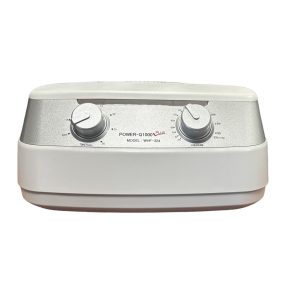


Power Q-1000 Plus lymphatic massage device. Basic feature set. 4-chamber leg, arm, hip/buttock and short-trouser cuffs sold separately, available in multiple sizes.
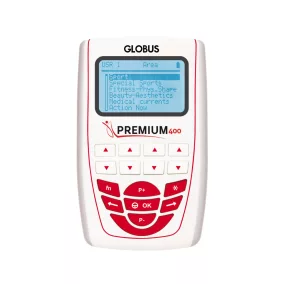


Premium 400 multifunctional electrotherapy device. TENS / EMS / MCR-MENS / FES / iontophoresis. Specialized programs: running, cross-country skiing, combat sports, tennis, football, cycling. 4 channels, battery operated.
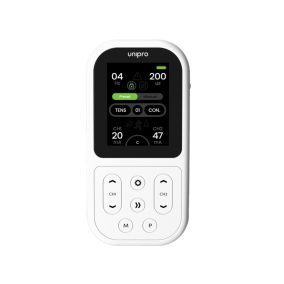
The UniPro is a two-channel, multifunctional electrotherapy device providing TENS, EMS, microcurrent and interferential (IF) treatments.
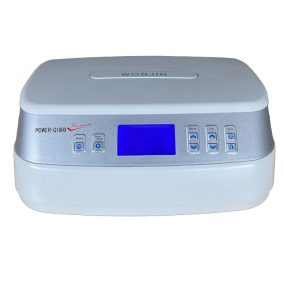


Power Q-1000 Premium lymphatic massage device. Advanced capability. 4-chamber leg, arm, trunk/hip and shorts cuffs are sold separately and are available in multiple sizes.
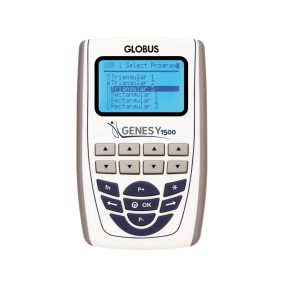


The Globus Genesy 1500 — one device for hundreds of complaints.
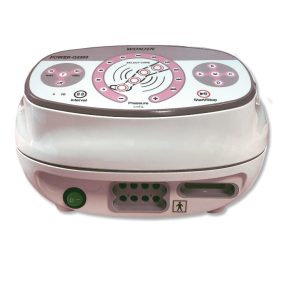


Power Q-2200 compression therapy unit. Mid-range level. 4 air-chamber leg, arm, hip/buttock and shorts cuffs are sold separately and available in multiple sizes.
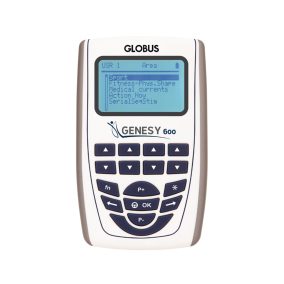


Genesy 600 multifunctional electrotherapy device. TENS / EMS / MCR-MENS / FES / iontophoresis / denervated. 4 channels, battery-powered.
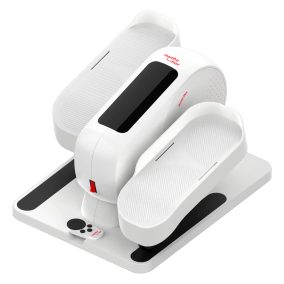


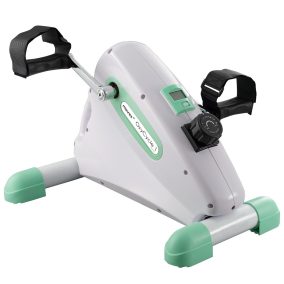
The Mambo Max ElliptiStep is a compact, seated elliptical trainer. Its electromagnetic drive makes it ideal for home, office or rehabilitation use.


 Which devices can help during the post-thrombotic period?
After the thrombosis has resolved (typically after 10–12 weeks and with medical approval), there are two goals: reducing chronic symptoms – primarily oedema, and preventing recurrence by supporting circulation and the leg muscle pump. Two types of device can help with this, alongside compression stockings and regular exercise. Let’s look at them.
The lymphatic drainage device inflates the air chambers of the cuff placed on the limb one after another, from the bottom upwards. This “guides” accumulated fluid and venous blood towards areas with healthy circulation, reducing post-thrombotic oedema. You can choose from the Power Q range: the Power Q-1000 Plus is the entry-level model, the Power Q-2200 is a mid-range model, while the Power Q-1000 Premium is an advanced device with fine pressure adjustment. All have 4 air chambers, and the leg, arm, hip and trouser cuffs can be selected separately in the appropriate size. Important: in a post-thrombotic condition, always agree the pressure setting with your treating doctor.
The motor of venous circulation in the leg is the “muscle pump” of the calf muscles: when they contract, they push blood towards the heart. Electrical muscle stimulation supports this pump through rhythmic contractions. It may improve venous return and reduce pooling, which may also help prevent recurrence. Multifunctional devices (Premium 400, Genesy range, UniPro) can also be used for pain relief and other symptoms in addition to muscle-pump programmes. For mild oedema, a muscle stimulator may help on its own; with more pronounced swelling, it is most useful when combined with a lymphatic drainage device.
One of the most important tasks during the post-thrombotic period is regular exercise, because the leg muscles drive the venous muscle pump, which also supports circulation and helps reduce swelling. If walking outdoors is difficult because of pain, limited mobility or the weather, a seated elliptical trainer (Mambo Max ElliptiStep) can temporarily provide an alternative to walking. Its electromagnetic operation moves the leg muscles in a joint-friendly way at home, in the office or during rehabilitation. This helps maintain the beneficial effect of movement – activating the muscle pump – even when walking is not possible. Adjust the load to your treating doctor’s recommendation and your own tolerance.
 Compression stockings and exercise are the foundation
The cornerstone of treating post-thrombotic syndrome is a properly selected compression stocking (worn daily) and regular exercise (walking, cycling, swimming), which activates the muscle pump. The devices presented here complement these measures: mechanical lymphatic drainage actively reduces swelling, muscle stimulation supports circulation, and the elliptical trainer provides an alternative to walking when walking is difficult. Important: during the post-thrombotic period, discuss the use of every device with your treating doctor, because the condition of your blood vessels requires individual assessment.
Important information
Treatment of thrombosis and supervision during the post-thrombotic period are medical responsibilities – the devices presented here are complementary and do not replace medical care. Home treatment is prohibited for a fresh, acute thrombosis; the devices may only be used after the thrombosis has resolved, typically after 10–12 weeks and with medical approval. Your treating doctor must approve the pressure setting and the start of treatment in every case. Electrotherapy and pneumatic devices also have other contraindications (for example, a pacemaker, active skin infection or an open wound in the treated area, or a tumour in the treated region). Seek medical attention without delay if sudden new one-sided swelling of the leg or lower leg develops with redness and warmth to the touch (suspected new thrombosis), or if chest pain, shortness of breath or a rapid pulse occurs (suspected pulmonary embolism – ambulance: 104 / 112).
 Would you like to learn more?
Dr. Zsolt Zátrok explains thrombosis in detail in this article – from superficial and deep vein thrombosis to the treatment of post-thrombotic syndrome: Treatment of post-thrombotic condition →. If you are unsure about the cause of leg swelling (thrombosis, varicose veins, lymphoedema, heart or kidney problems), this article can help with the differential diagnosis: Leg swelling (oedematous leg): causes and treatment →
Frequently asked questions
No home device may be used for a fresh, acute thrombosis – it requires hospital treatment. Home treatment for the post-thrombotic condition can typically be started 10–12 weeks after the thrombosis has resolved, when the acute phase has ended and the lasting condition has developed. However, your treating doctor determines the exact timing and treatment method in every case – do not start on your own without approval.
Deep vein thrombosis almost always causes residual symptoms: the clot can damage the valves and wall of the vein, leading to persistent venous pooling, swelling and a feeling of heavy legs – this is post-thrombotic syndrome. The risk of recurrence also increases. This is why regular, long-term home treatment is important (compression, exercise, mechanical lymphatic drainage, muscle stimulation) to reduce symptoms and help prevent recurrence.
For actively reducing swelling, a pneumatic cuff-based lymphatic drainage device is the most effective option. A muscle stimulator supports the calf muscle pump and thereby improves venous return. It is also more versatile and can be used for pain relief. For milder symptoms, a muscle stimulator may help on its own; with pronounced oedema, using both together is most useful. Your symptoms and your treating doctor’s recommendation determine the choice.
No. The foundation of treating post-thrombotic syndrome is a properly selected compression stocking worn daily and regular exercise. The devices complement these measures; they do not replace them. Mechanical lymphatic drainage reduces swelling during treatment, while the compression stocking maintains the effect during the day. Together, combined with exercise, they provide a lasting result.
Without delay if sudden new one-sided swelling of the leg or lower leg develops with redness and warmth to the touch – this may indicate a new thrombosis. Call an ambulance (104 / 112) if chest pain, shortness of breath or a rapid pulse occurs, as this may indicate a pulmonary embolism and can be life-threatening. These situations are not to be treated with a home device; they require urgent medical care. Post-thrombotic treatment applies only to a stable, chronic condition.