
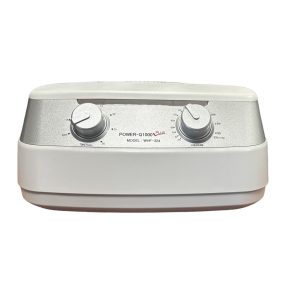


Power Q-1000 Plus lymphatic massage device. Basic feature set. 4-chamber leg, arm, hip/buttock and short-trouser cuffs sold separately, available in multiple sizes.



Premium 400 multifunctional electrotherapy device. TENS / EMS / MCR-MENS / FES / iontophoresis. Specialized programs: running, cross-country skiing, combat sports, tennis, football, cycling. 4 channels, battery operated.
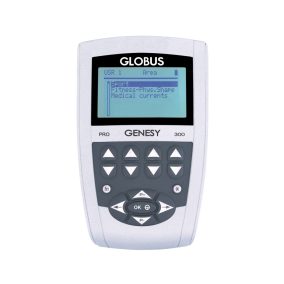


Genesy 300 Pro multifunctional electrotherapy device. TENS / EMS / MCR-MENS / FES / iontophoresis. 4 channels, battery-powered.
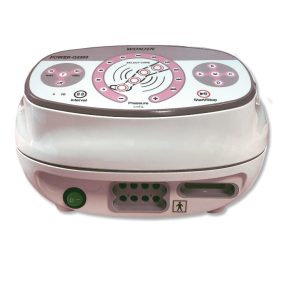


Power Q-2200 compression therapy unit. Mid-range level. 4 air-chamber leg, arm, hip/buttock and shorts cuffs are sold separately and available in multiple sizes.
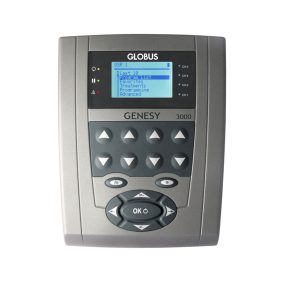


A Globus Genesy 3000 is a single device for hundreds of complaints.
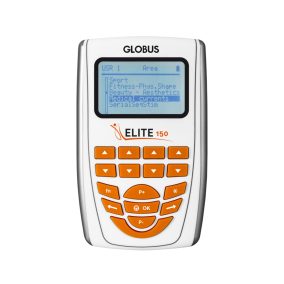


Elite 150 electrotherapy device. TENS / EMS. 4 channels, 150 treatment programs, battery powered.
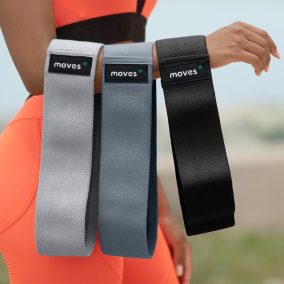


The Moves Resistance Fabric Loops set is a modern and comfortable solution for those who want to effectively develop their muscle strength, mobility, or stability. The set, containing three fabric loops with different levels of resistance, is an ideal choice for functional training, rehabilitation, and body shaping.
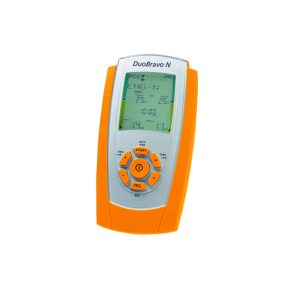
A device specialised for treating central paralysis (e.g., post-stroke) and movement disorders, with EMG-triggered muscle stimulation.
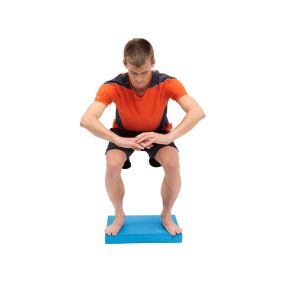


During a stroke, part of your brain's motor area can be damaged, resulting in paralysis of a specific muscle or muscle group. This happens because the damaged brain area no longer sends motor signals to the muscle.
The goal of rehabilitation is to practice until another part of your brain "learns" to take over the lost motor function. With relentless practice – even when nothing seems to move – you can retrain your brain to move the paralyzed muscle.
Some experts believe that ten thousand repetitions are needed for relearning. That means you need continuous practice, even when there appears to be no hope!
- If after a stroke you sit slumped in a chair and do nothing, you have no chance of recovery.
- If someone occasionally comes to move your paralyzed hand and massage your muscles, but you still do nothing yourself, your chances do not improve.
- If your paralyzed muscles are treated daily with a muscle stimulator, you’ve taken a tiny step toward improvement. But this is far from enough for a breakthrough success.
- If you continuously try to repeat the movements you’ve lost, your brain works continuously to reconnect with the affected muscle. This already greatly improves your chances.
- The most effective method is to combine modern electrotherapy treatments (biofeedback and/or ETS) with intentional movement attempts. This multiplies the likelihood of regaining lost function!
Practice combined with stimulation should be started as early as possible after paralysis begins. Immediately after the life-threatening condition has been addressed. Continue both in the hospital and at home. It may take months, even 1–2 years, to achieve the desired result.
For the treatment of central paralysis, you minimally need a good-quality muscle stimulator. The so-called ETS device, which detects your voluntary movement and electrically assists the paralyzed muscle, is advantageous.

