
 Leg ulcer – devices to support treatment
A leg ulcer (ulcus cruris) is a wound on the lower leg that is slow or fails to heal, typically around the ankle. In the background there is most often a circulatory problem – varicose vein disease, less often peripheral arterial disease – which reduces blood supply to the wound, so it "seems unwilling to heal". Devices that support good blood flow (sequential compression, soft laser, electrostimulation) can help as complements to medical treatment – but the basis of care is always proper management of the underlying condition.
 Read this first – important
A leg ulcer is a serious condition that requires medical care. The devices shown here do not replace specialist treatment, wound care or compression therapy – they may be used as adjuncts, in consultation with your treating doctor. If you have an ulcer, the first and most important step is medical assessment and a treatment plan.
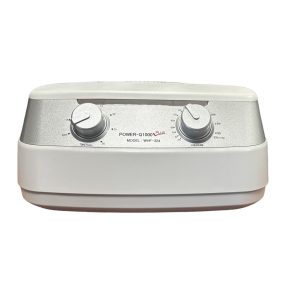


Power Q-1000 Plus lymphatic massage device. Basic feature set. 4-chamber leg, arm, hip/buttock and short-trouser cuffs sold separately, available in multiple sizes.
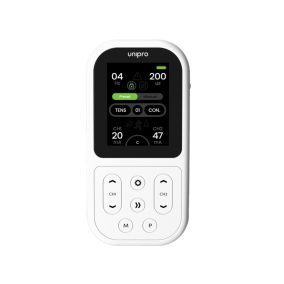
The UniPro is a two-channel, multifunctional electrotherapy device providing TENS, EMS, microcurrent and interferential (IF) treatments.



Premium 400 multifunctional electrotherapy device. TENS / EMS / MCR-MENS / FES / iontophoresis. Specialized programs: running, cross-country skiing, combat sports, tennis, football, cycling. 4 channels, battery operated.
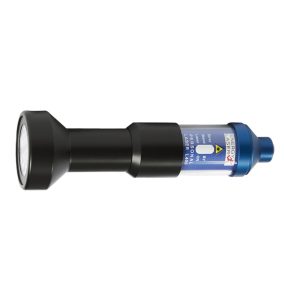


Personal-Laser L400 infrared soft-laser for point treatments. 400 mW continuous output, 808 nm laser beam. Delivers 4 Joules of energy in 10 seconds. Laser diode lifetime 10,000+ hours.
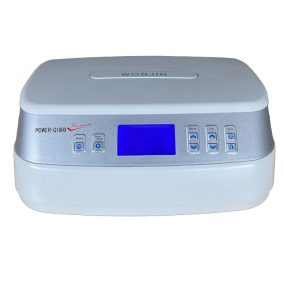


Power Q-1000 Premium lymphatic massage device. Advanced capability. 4-chamber leg, arm, trunk/hip and shorts cuffs are sold separately and are available in multiple sizes.



The Globus Genesy 1500 — one device for hundreds of complaints.
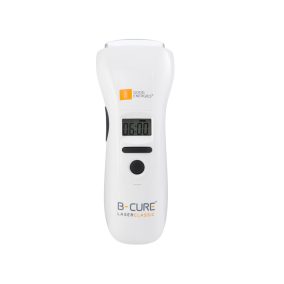


Easy-to-use 808 nm, 250 mW low-level laser device. Treats a 4.5 × 1 cm area at once. About 6 minutes per treatment point. Prism technology — safe to use without protective goggles when used as intended.
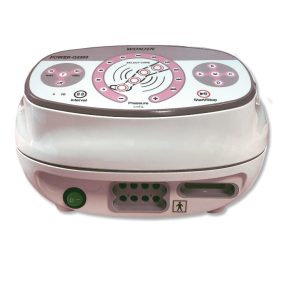


Power Q-2200 compression therapy unit. Mid-range level. 4 air-chamber leg, arm, hip/buttock and shorts cuffs are sold separately and available in multiple sizes.

Easy-to-use 808 nm, 250 mW soft laser device. Simultaneous treatment area 4.5 cm2. 5 J/min per treatment point. Prism technology, safe to use without protective goggles.
 Why the wound does not heal – and where devices can help
A circulatory disorder is almost always behind a leg ulcer. In varicose vein disease blood pools in the leg, tissues do not get enough oxygen and nutrients, and waste products accumulate – so the wound cannot heal properly. That is why the key to treatment is improving blood flow alongside medical management of the underlying disease. The devices offered here support that improvement in circulation and the conditions for wound healing – they do not treat the wound itself, but help the underlying problem.
Multi-chamber sequential compression (lymphatic drainage) devices rhythmically compress the leg from the bottom up, helping the return of pooled blood and lymph. In venous-origin leg ulcers, reducing stasis is one of the main goals, so this method is an obvious option for supporting circulation. Important: sequential compression is not always suitable with an active ulcer or certain vascular diseases – always consult your doctor before use.
Soft laser (low‑level laser) supports local blood flow and cell function, which can contribute to improving the conditions for wound healing. When treating the area around a wound, sterile and expert application and medical supervision are especially important, so use soft laser for ulcers only in agreement with your treating physician and under their guidance.
Electrostimulation induces contractions of the leg muscles, which via the "muscle pump" can assist venous return and local circulation. Some multifunction devices offer programs specifically to improve circulation. As with the other methods, the aim is to support blood flow, not to treat the wound directly – and medical consultation is required before use.
 What forms the basis of leg ulcer treatment?
It is important to see the order clearly: devices are supplements, not the foundation. The backbone of leg ulcer treatment is specialist-led care, which typically includes the following:
- treating the underlying disease (varicose veins, peripheral arterial disease);
- proper wound disinfection and dressing, using modern wound care products;
- compression therapy (bandage, stocking) against stasis – if the arterial status allows;
- vascular surgery or other interventions when needed.
Home devices that support circulation complement this medical care – they are most useful when the basic treatment is in place.
What these devices can and CANNOT do
These devices can help the conditions for healing by supporting blood flow – but they will not, on their own, fix the ulcer, and they do not replace wound care, compression therapy or treatment of the underlying disease. A leg ulcer is a serious condition: untreated it can become infected, deepen, and lead to serious complications. See a doctor without delay if the wound spreads, deepens, is very painful, purulent, foul‑smelling, or accompanied by fever. With diabetes, peripheral arterial disease or sensory loss, any foot wound needs special attention and medical care. Always consult your doctor before using any device.
Frequently asked questions
No. No single device alone is sufficient. The basis of leg ulcer treatment is medical care of the underlying circulatory disease, expert wound care and compression. The devices offered here support circulation, which can help the conditions for healing – but only as complements to medical treatment and together with it. The order matters: first the medical treatment plan, then, in agreement with that plan, the devices.
That depends on your vascular status and your treating doctor's plan, so decide this with them. Generally: sequential compression helps reduce venous stasis, soft laser supports local wound‑healing conditions, and electrostimulation helps the muscle pump and circulation. It is important that some methods (for example sequential compression) are not suitable for certain vascular conditions – this is why medical consultation before choosing is essential.
Only your treating physician can decide that. With an active open ulcer and certain vascular diseases (for example significant arterial narrowing) sequential compression is not always applicable and may even be harmful. Therefore, for an active ulcer, specialist approval is required before starting sequential compression – the doctor will assess whether it is safe for your vascular status.
Prevention depends on early detection and treatment of vascular disease. Regular exercise, proper foot and skin care and hydration, maintaining a healthy weight, and – for varicose vein disease, on medical advice – wearing compression stockings all help. If you have varicose veins or peripheral arterial disease, regular vascular specialist follow‑up is the most reliable prevention.
With diabetes any foot wound requires extra attention because it heals more slowly and is more prone to infection. Do not start with a home device: see your treating doctor as soon as possible, who will assess the severity of the wound and the vascular status. Your doctor can also decide about device use – diabetic foot care always requires medical supervision.

