
 Oedema treatment – first the cause, then the method
Oedema is swelling caused by fluid building up between the tissues – most often in the legs or arms. It is important to know that oedema is a symptom, not a disease, and that many different causes may be behind it. This is why there is no single solution that is right for everyone: what you should do depends on what is causing the swelling. In some cases, the underlying condition must be treated; in others, the symptoms may be reduced at home with suitable devices. This page will help you understand what may be appropriate for each type of oedema.
 Very important – compression is not always suitable
If the oedema is caused by heart or kidney disease, compression therapy may be unsuitable and can even be harmful, because it can increase the strain on the heart. In this situation, medical treatment of the underlying condition comes first. For this reason, never start treating oedema on your own, based on self-diagnosis – the first step is always a medical examination to clarify the cause and identify a safe treatment.
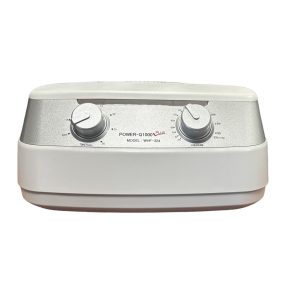


Power Q-1000 Plus lymphatic massage device. Basic feature set. 4-chamber leg, arm, hip/buttock and short-trouser cuffs sold separately, available in multiple sizes.
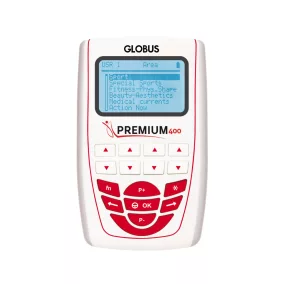


Premium 400 multifunctional electrotherapy device. TENS / EMS / MCR-MENS / FES / iontophoresis. Specialized programs: running, cross-country skiing, combat sports, tennis, football, cycling. 4 channels, battery operated.
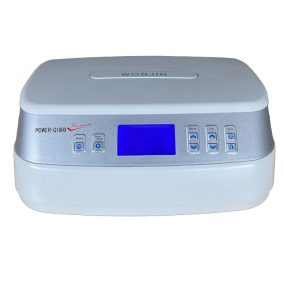


Power Q-1000 Premium lymphatic massage device. Advanced capability. 4-chamber leg, arm, trunk/hip and shorts cuffs are sold separately and are available in multiple sizes.
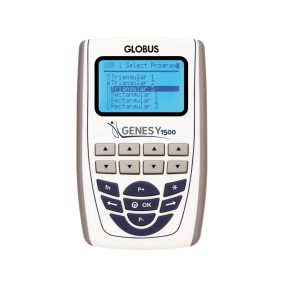


The Globus Genesy 1500 — one device for hundreds of complaints.
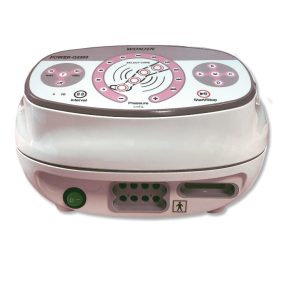


Power Q-2200 compression therapy unit. Mid-range level. 4 air-chamber leg, arm, hip/buttock and shorts cuffs are sold separately and available in multiple sizes.
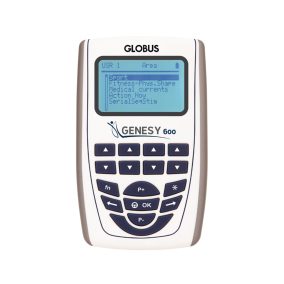


Genesy 600 multifunctional electrotherapy device. TENS / EMS / MCR-MENS / FES / iontophoresis / denervated. 4 channels, battery-powered.
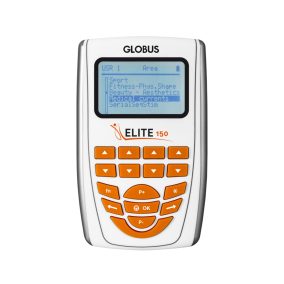


Elite 150 electrotherapy device. TENS / EMS. 4 channels, 150 treatment programs, battery powered.
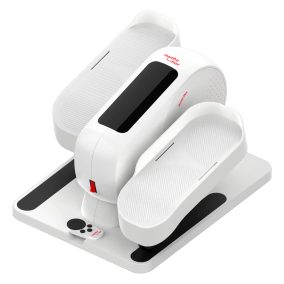


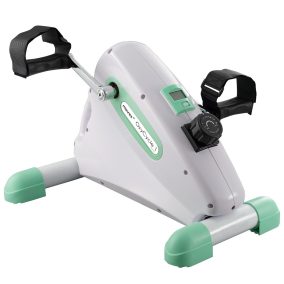
The Mambo Max ElliptiStep is a compact, seated elliptical trainer. Its electromagnetic drive makes it ideal for home, office or rehabilitation use.


 What type of oedema do you have, and what should you do?
The first and most important question when treating oedema is: what is causing it? After the examination, the table below will help you understand the typical course of action for each type. Your doctor will determine the exact treatment in every case.
| Cause of oedema | Typical course of action | Home device |
|---|---|---|
| Heart or kidney disease | Medical treatment of the underlying condition | Compression NOT recommended |
| Lymphoedema | Complex treatment + maintenance therapy at home | Compression therapy (lymphatic drainage device) |
| Venous insufficiency | Supporting circulation and reducing congestion | Compression therapy, electrostimulation |
| Post-thrombotic syndrome | After 3 months following the thrombosis | Compression therapy (with medical approval) |
| Oedema caused by inactivity | Activating the muscle pump | Electrostimulation (EMS), compression therapy |
| Swelling after injury or inflammation | Supporting recovery and fluid absorption | Soft laser, compression therapy |
 Options for symptomatic treatment
If examination shows that symptomatic treatment to reduce swelling may be appropriate (that is, the oedema is not caused by heart or kidney disease), you can choose from several drug-free methods – often, combining them is most useful.
A multi-chamber compression therapy device (lymphatic drainage device) intermittently inflates the air chambers of the cuff placed on the limb, from bottom to top. This helps direct the accumulated fluid towards areas with better circulation, where it may be absorbed. It is one of the most important home methods for lymphoedema, venous insufficiency and swelling caused by inactivity. Always keep the pressure within the recommended range – higher pressure is not more effective and may even be harmful.
One of the motors of blood circulation in the lower limbs is the “muscle pump”: contraction of the leg muscles helps blood and lymph flow back. If you move very little, this pump slows down and swelling may develop. EMS (electrical muscle stimulation) produces rhythmic muscle contractions, effectively giving the leg some artificial exercise – it may be useful as a supplementary method, especially for swelling in the lower limbs caused by inactivity.
Soft laser supports local circulation and tissue regeneration. It may therefore have a supplementary role in helping swelling after an injury or inflammation to resolve. It is not a primary treatment for lymphoedema, but may support swelling caused by a local inflammatory or injury-related process.
 Compression garments are the foundation
It is important to know that the cornerstone of long-term treatment for lymphoedema and venous insufficiency is a properly selected and correctly worn compression garment (stocking or arm sleeve) – the devices above are used alongside it. It is worth obtaining the compression garment from a specialist medical retailer, fitted to your measurements and based on medical advice.
Important information and limitations
Oedema treatment always depends on the cause – so do not start treatment based on self-diagnosis. Compression therapy must not be used for oedema caused by heart or kidney disease, when untreated thrombosis is suspected, if the treated area is infected or has an open wound, or in certain vascular diseases – medical advice is required in these situations. Always keep the pressure within the recommended range. Contact a doctor if the swelling is sudden, one-sided and painful (this may indicate thrombosis), if it is accompanied by redness, warmth or fever, or if it occurs with shortness of breath or chest symptoms. Always have a medical examination before using any device.
 Living with lymphoedema? Detailed guides
If you specifically live with lymphoedema, Dr. Zsolt Zátrok has written several detailed articles about it. About the background, forms and stages of the condition: Lymphoedema: causes, forms and stages →. A complete guide to treatment at home (the 4 pillars of complex decongestive therapy): Lymphoedema treatment at home →. To help you choose the right lymphatic drainage device: Lymphatic drainage device – how to choose? →
Frequently asked questions
No. Compression therapy may primarily be used for lymphoedema, venous insufficiency, swelling caused by inactivity and residual symptoms after thrombosis (after 3 months). For oedema caused by heart or kidney disease, however, it is unsuitable and may even be harmful because it increases the strain on the heart. This is why it is important to clarify the cause of the oedema with a doctor first – this determines whether the device is safe and useful in your situation.
It depends on the cause of the oedema and your treating doctor’s recommendation. For lymphoedema and venous insufficiency, compression therapy (lymphatic drainage device) is the most important option alongside a compression garment. Electrostimulation may also help with swelling in the lower limbs caused by inactivity. Soft laser may be considered for swelling after an injury. Combining methods is often most useful – discuss the exact combination with a specialist.
Higher pressure is not better – excessively strong pressure may be harmful. For general use, a moderate range is typically recommended; pressure is often lower for arm oedema and somewhat higher for the legs. Very high pressure should be avoided when treating lymphoedema. It is worth establishing the exact setting and treatment time (usually half to one hour a day) with your treating doctor or lymphoedema therapist.
The cornerstone of long-term treatment for lymphoedema and venous insufficiency is a properly worn compression garment – the lymphatic drainage device complements it but does not replace it. The device helps reduce volume during treatment, while the compression stocking maintains this reduction during the day. Together, they provide lasting results when used according to the protocol established by a specialist.
If the swelling is sudden, one-sided and painful (this may indicate thrombosis), if it is accompanied by redness, warmth or fever (which may be a sign of infection), or if shortness of breath or chest symptoms occur with it (which may indicate heart or lung involvement). These symptoms require urgent medical examination. In addition, any persistent or unexplained swelling should be investigated before you start any home treatment.

