
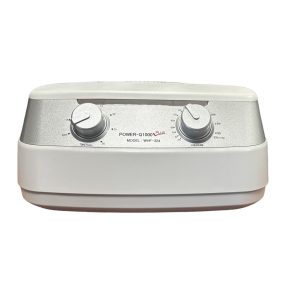


Power Q-1000 Plus lymphatic massage device. Basic feature set. 4-chamber leg, arm, hip/buttock and short-trouser cuffs sold separately, available in multiple sizes.



Premium 400 multifunctional electrotherapy device. TENS / EMS / MCR-MENS / FES / iontophoresis. Specialized programs: running, cross-country skiing, combat sports, tennis, football, cycling. 4 channels, battery operated.

The UniPro is a two-channel, multifunctional electrotherapy device providing TENS, EMS, microcurrent and interferential (IF) treatments.
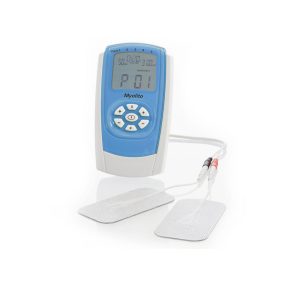
Myolito electrotherapy device with TENS, EMS and FES (incontinence) programs
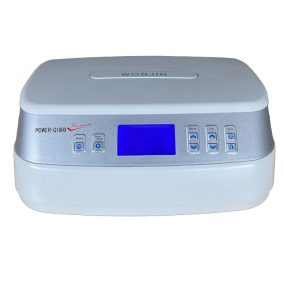


Power Q-1000 Premium lymphatic massage device. Advanced capability. 4-chamber leg, arm, trunk/hip and shorts cuffs are sold separately and are available in multiple sizes.
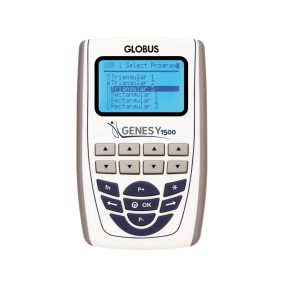


The Globus Genesy 1500 — one device for hundreds of complaints.
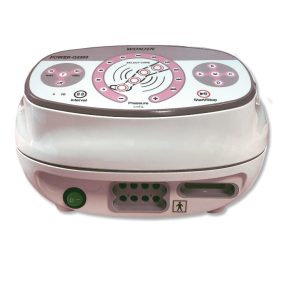


Power Q-2200 compression therapy unit. Mid-range level. 4 air-chamber leg, arm, hip/buttock and shorts cuffs are sold separately and available in multiple sizes.



Genesy 600 multifunctional electrotherapy device. TENS / EMS / MCR-MENS / FES / iontophoresis / denervated. 4 channels, battery-powered.
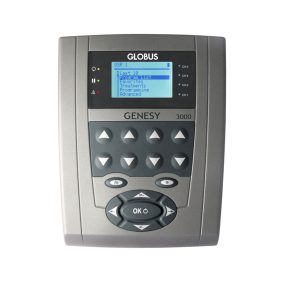


A Globus Genesy 3000 is a single device for hundreds of complaints.
Leg swelling is a very common symptom experienced by many people. It can be caused by diseases or prolonged immobility. It may appear on one or both legs. The swelling can be localized, i.e., confined to a specific area, or involve the entire limb. The required actions depend on the underlying cause. In some cases the disease must be treated; in others only the symptoms can be alleviated.
In conditions that cause local swelling and typically affect only one limb, leg swelling occurs at a well-defined site and can spread both upwards and downwards from there:
- Sports injuries and accidents, which may include fractures, bruises, strains, sprains, ligament tears, or muscle tears. The moment and cause of injury are clearly identifiable. Swelling appears at the injury site and may partly be due to bleeding (the affected area may discolor within a few days).
- Inflammatory processes: arthritis, bursitis, dermatitis, etc. (in which case fever and chills indicate inflammation)
- Insect bites, especially in hypersensitivity reactions
- Swelling around burns or scalds
- Significant leg swelling can develop in deep vein thrombosis. A taut calf pain appears quickly, and the skin turns purplish. A dangerous complication is pulmonary embolism, signaled by shortness of breath and chest pain.
- Post-thrombotic syndrome, i.e., the remaining condition following deep vein thrombosis (occurring 2–3 months after thrombosis)
Diseases that usually involve only one limb, where swelling typically begins at the foot or ankle and gradually extends upwards, indicating the severity.
- Secondary lymphedema (caused by lymphatic obstruction due to injury, surgery, or tumor).
- Venous valve insufficiency (commonly known as varicose veins). Fluid pooling in twisted veins seeps out into the surrounding tissue, causing swelling and a tight pain. The extent of swelling can vary between the two legs, often more pronounced on one side.
- Although not a disease, leg swelling can also occur during pregnancy. The growing fetus and uterus compress the pelvic veins and impede blood return from the legs.
Conditions that generally affect both limbs, where swelling usually begins at the foot or ankle and progressively moves upwards, also indicating severity.
- Sudden onset kidney failure, characterized by general malaise and very little urine output
- Chronic kidney failure, whose symptoms include loss of appetite, poor general condition, and low or absent urine output.
- Heart failure: a common symptom is chest pain and shortness of breath, which worsens with minimal exertion. Not only the legs but also the abdomen may become edematous.
- Hormonal issues can lead to increased water retention and leg swelling. Hormone therapy, such as taking oral contraceptives, can have similar effects.
- Leg swelling may also occur as a side effect of medications, including antidepressants, steroids, nonsteroidal anti-inflammatory drugs, and antihypertensives.
- Primary lymphedema can usually affect both limbs and cause significant swelling.
- Prolonged sitting (e.g., on a long bus or flight), or even work performed in a seated or standing position, can trigger leg swelling.
Treatment should be based on the underlying cause.
- Leg swelling due to varicose veins, prolonged sitting, or standing can be prevented with regular short leg exercises (2–3 minutes every hour). The Veinoplus varicose vein treatment stimulator or pneumatic compression devices are also excellent for prevention.
- If swelling is due to a fracture, the bone should be set and stabilized. Swelling will subside as it heals. Bone healing can be stimulated by pulsed ultrasound and magnetic field therapy.
- For injuries, the "RICE" method is recommended: Rest, Ice, Compression (bandaging), and Elevation. Healing can also be stimulated with ultrasound and low-level laser therapy.
- In case of insect bites, cooling and preventing an allergic reaction are important; otherwise, the swelling subsides quickly.
- For burns and scalds, immediate cooling of the area is crucial. Burn dressings are ideal for this. Leave wound care to a professional.
- If deep vein thrombosis is suspected, the patient must not stand or walk! They should be taken to the hospital immediately, preferably by ambulance. The condition requires intensive care.
- In the post-thrombotic state, the patient must adjust to the fact that the symptoms are permanent and require daily treatment. The Veinoplus DVT and regular pneumatic compression therapy help improve the condition. Without treatment, swelling will only worsen.
- For varicose veins during pregnancy, frequent changes of position and compression massage provide relief.
- Treatment of kidney and heart failure is a hospital task! Edema will decrease when kidney function improves or is restored, or when heart function improves and strengthens.
- In case of medication side effects, discontinuation or substitution of the suspected drugs is recommended – always consult your physician.
- In all forms of lymphedema, only symptomatic treatment is possible; the disease itself cannot be cured. A combination of bandaging or compression garments and manual or pneumatic lymphatic drainage gives good results.

