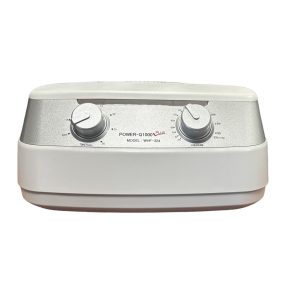


Extremely easy to operate, "durable" lymphatic massage device. Treatment cuffs available separately in multiple sizes for arm, leg, thigh, buttocks, hip, and lower abdomen.
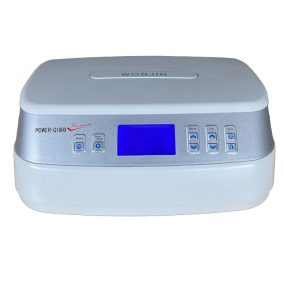


High-precision settings and effective treatment provided by an advanced lymphatic massage device.
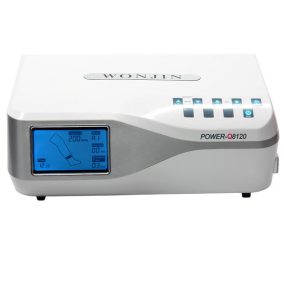


Professional-level, 12 air-chamber lymphatic massage device. Although it can be used at home, its capabilities make it more suitable for lymph therapists and beauty salons. Treatment cuffs for arm, leg, thigh, buttock, hip and lower abdomen. Extra-large pants available for waist-hip circumferences up to 160cm(!).
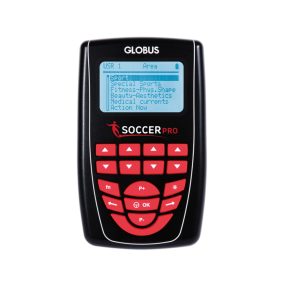


Soccer Pro multifunctional electrotherapy device with program package optimized for football players. TENS / EMS / MCR-MENS / FES / iontophoresis.
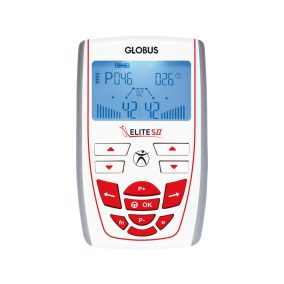


Elite SII electrotherapy device. TENS / EMS / FES. 2 channels, rechargeable battery.
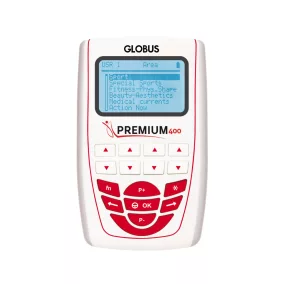


Premium 400 multifunctional electrotherapy device. TENS / EMS / MCR-MENS / FES / iontophoresis. Specialized programs: running, cross-country skiing, combat sports, tennis, football, cycling. 4 channels, battery operated.
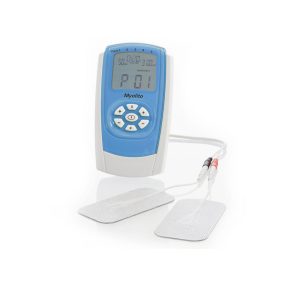
Myolito electrotherapy device with TENS, EMS and FES (incontinence) programs
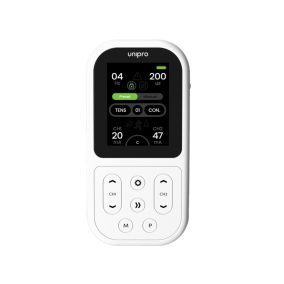
The UniPro is a two-channel, multifunctional electrotherapy device providing TENS, EMS, microcurrent and interferential (IF) treatments.
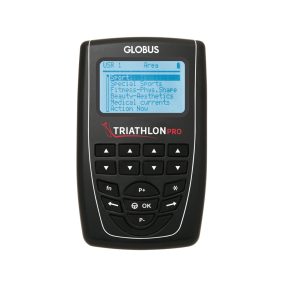


Triathlon Pro: multifunctional electrotherapy device. TENS / EMS / MCR-MENS / FES / iontophoresis. Special sport: triathlon. 4 channels, battery powered.
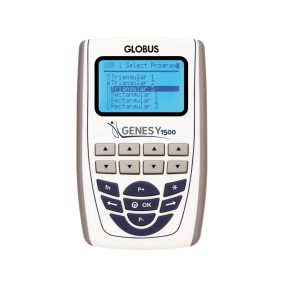


The Globus Genesy 1500 — one device for hundreds of complaints.
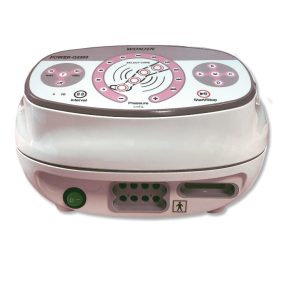


Q-2200 compression therapy unit for home users. Treatment cuffs available in multiple sizes for arm, leg, thigh, buttocks, hip, lower abdomen are selectable separately.
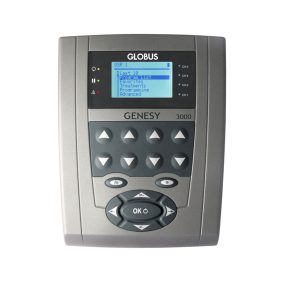


A Globus Genesy 3000 is a single device for hundreds of complaints.
Varicose vein disease is the popular term for chronic venous insufficiency. In reality, it refers to a closing defect, improper functioning of the valves in the leg veins. Its causes and consequences can be very diverse.
Development of Varicose Vein Disease
The vein (vena) transports used blood in our body toward the heart. The veins are compressed by contracting muscles, which causes the blood to start flowing upward. The so-called venous valves in a healthy individual act like gates, preventing backflow and ensuring that blood always moves toward the heart.
If we move little or sit and stand for long periods, our muscles do not "pump" the vessels. Moreover, if our vein walls are diseased or damaged, and our venous valves are weak, the efficiency of our venous circulation is compromised.
Constitutional factors (e.g., connective tissue weakness) and provoking factors (such as standing or sitting work, a sedentary lifestyle) increase blood pressure in the leg veins. The vessel dilates, preventing the venous valves from closing, openings appear, and the upward movement of blood becomes insufficient. The blood remains in the veins for a prolonged time, i.e., "stagnates." The veins gradually become tortuous and swell. If the condition persists, the dilation and malfunction become permanent. It is no longer merely a cosmetic problem, as an unpleasant "heavy leg sensation" and tense pain appear, and the slow blood flow increases the risk of complications (ulcer, thrombosis, and embolism).
Thus, in varicose vein disease, the venous system is unable to transport spent blood from the tissues and harmful metabolic waste products from the interstitial space.
In milder forms of varicose vein disease, it just itches, the leg feels heavy, or a tensioning pain arises. Muscle cramps, skin peeling, and a brownish-reddish discoloration of the skin may also appear. The veins become more tortuous and swollen, increasingly conspicuous, with swelling of the ankle and lower leg progressing. After a while, a hard-to-heal wound (ulcer) or the dreaded complication, thrombosis, may develop. The latter represents a life-threatening condition.
Prevention of Varicose Vein Disease
In a healthy person, muscle movement ensures blood flow. The repeatedly contracting muscles "push" the blood in the veins toward the heart. Without muscle movement, blood does not move (or moves extremely slowly). A sedentary lifestyle is therefore a direct path to varicose vein disease.
Consequently, the most suitable method for both prevention and treatment is regular physical activity. Recommended forms of exercise include primarily walking, running, swimming, and cycling. Exercise can improve circulation, increase oxygen supply to cells, and flush out stagnant blood.
For varicose vein treatment, creams, medications, and compression stockings are generally recommended. However, it should be noted that an elastic stocking or bandage only works if we move. If we sit motionless in it, its elasticity "rests." It squeezes us but does not pump. In other words, someone who wears it while lounging in an armchair, believing they are treating themselves, is actually doing nothing.
Some Everyday Tips
- Engage in active exercise every day (running, jogging, cycling, Nordic walking, walking, hiking)
- Avoid using the elevator; use the stairs instead!
- Wear flat, flexible-soled shoes (a heel up to 5 cm is recommended)
- Avoid heat, sunbathing, saunas, and thermal baths
- If your legs swell, sit frequently with your legs elevated
- If you have a desk job, stand up every half hour, move your legs, take a short walk
- Do not sit with your legs crossed
- Horse chestnut-containing ointment can be helpful
- Follow a diet high in fiber and low in salt
Curing Varicose Vein Disease
For the treatment of established varicose vein disease, i.e., the "repair" of tortuous veins, there is no way to restore the original condition!
The surgical "eradication" or "injection" of a tortuous, painful vein is essentially a cosmetic trick. The function of the removed vein (i.e., transporting blood) must be taken over, so another vein will dilate in its place!
And you cannot "eliminate" every vein!
Sclerotherapy, laser surgeries, varicose vein removal with a radiofrequency catheter, stripping, phlebectomy, and endoscopic surgery should be considered only when natural or mimicking methods have failed and, due to frequent varicose vein inflammation, the risk of embolization is high.
Artificial Devices for Varicose Vein Treatment
For those who cannot exercise regularly for any reason, the use of home medical devices is recommended, particularly lymphatic massage machines for leg massage and electrostimulation for varicose vein treatment.
Lymphatic Massage Machine
The device uses a boot-like cuff consisting of multiple air chambers that inflate and deflate sequentially, compressing the muscles and tissues, thereby initiating lymph and blood flow. Swelling is reduced, acute and chronic limb tension decreases, circulation improves, and pain is alleviated.
Electrostimulator for Varicose Vein Treatment
During the treatment, the device delivers small impulses to the calf muscles through self-adhesive electrodes attached to them. As a result, the muscles contract—as in walking—and squeeze the blood from the veins. The 20–30-minute treatment provides real refreshment. It eliminates tension complaints and empties the veins.
Machine lymphatic massage treatment and electrostimulation are excellent not only for prevention but also for post-varicose vein surgery pain, post-thrombotic syndrome symptoms, and thrombosis prevention.