
 Lymphoedema – devices for home maintenance treatment
Lymphoedema (lymphedema) is a chronic, gradually worsening swelling caused by impaired lymphatic system function – most often affecting one limb. It typically develops after oncological surgery (lymph node removal), radiotherapy, an injury or recurrent infection, but it can also be congenital. It is important to understand this clearly: lymphoedema is a chronic, lifelong condition – it cannot be eliminated completely, but it can be well controlled. The key to success is regular maintenance treatment at home. One of its most important tools is mechanical lymphatic drainage (pneumatic compression).
 No single method is enough on its own
The most important principle of lymphoedema treatment is that the methods do not replace one another. They complement one another. Compression garments, exercise, lymphatic drainage and mechanical compression work together to provide lasting results – the more you use at the same time, the better the swelling can be controlled. Research suggests that mechanical lymphatic drainage is the most effective home method for reducing oedema, but it is still part of combined treatment. It is worth developing the treatment plan with guidance from a doctor or lymphoedema therapist.
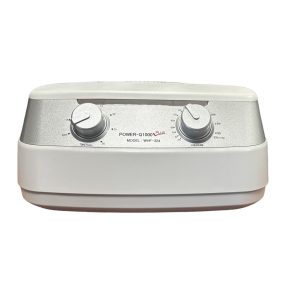


Power Q-1000 Plus lymphatic massage device. Basic feature set. 4-chamber leg, arm, hip/buttock and short-trouser cuffs sold separately, available in multiple sizes.
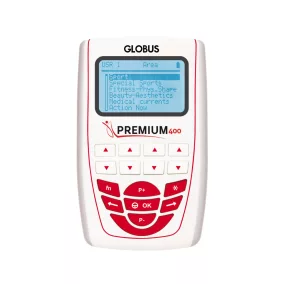


Premium 400 multifunctional electrotherapy device. TENS / EMS / MCR-MENS / FES / iontophoresis. Specialized programs: running, cross-country skiing, combat sports, tennis, football, cycling. 4 channels, battery operated.
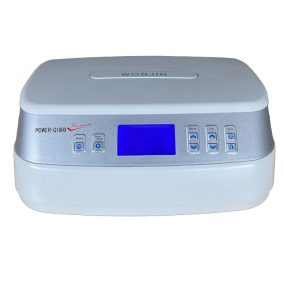


Power Q-1000 Premium lymphatic massage device. Advanced capability. 4-chamber leg, arm, trunk/hip and shorts cuffs are sold separately and are available in multiple sizes.
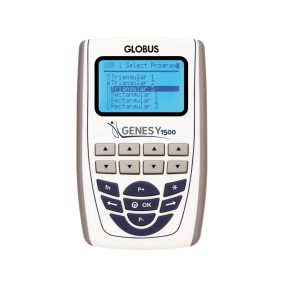


The Globus Genesy 1500 — one device for hundreds of complaints.
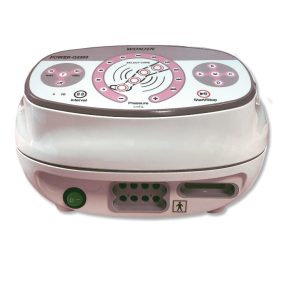


Power Q-2200 compression therapy unit. Mid-range level. 4 air-chamber leg, arm, hip/buttock and shorts cuffs are sold separately and available in multiple sizes.
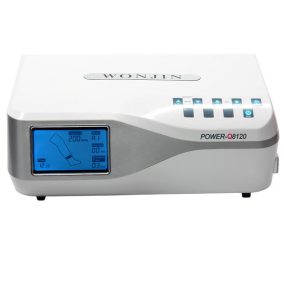


Power Q-8120 lymphatic massage device. Operator-level. 12 air-chamber leg, arm, hip/buttock and long pant cuffs are sold separately.
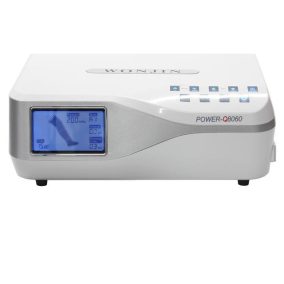


Power Q-8060 lymphatic massage device. Operator skill level. 6-chamber leg, arm and hip/buttock cuffs must be ordered separately.


 Which devices support home treatment of lymphoedema?
Several types of device may have a role in home maintenance treatment of lymphoedema, depending on the severity of the swelling and your individual situation. Their combination is often the most useful, alongside compression garments and exercise. Let us look at the main device types.
The lymphatic massage device inflates the air chambers of the cuff placed on the limb from bottom to top, one after another. This helps “guide” lymph and venous blood towards areas with healthy circulation. Research suggests that this is the most effective home method for reducing oedema. You can choose from the Power Q range: the Power Q-1000 Plus and Power Q-2200 are entry-level and mid-range 4-chamber home devices; the Power Q-1000 Premium is an advanced model with fine pressure adjustment; while the Power Q-8060 (6 air chambers) and Power Q-8120 (12 air chambers) provide a finer, sequential wave-like massage effect for more intensive protocols. Leg, arm, hip and trouser cuffs can be selected separately in the appropriate size.
Muscle contractions triggered by electrical impulses improve circulation and reduce oedema in a way similar to walking – acting as the natural motor of lymphatic circulation. In mild oedema, a muscle stimulator may even replace a lymphatic massage device; in moderate and severe conditions, the two methods reinforce each other. Its advantage is versatility: multifunctional devices (Premium 400, Genesy 1500) can be used not only for oedema treatment, but also for pain relief, reducing muscle stiffness and strengthening muscles.
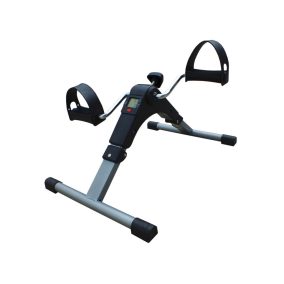
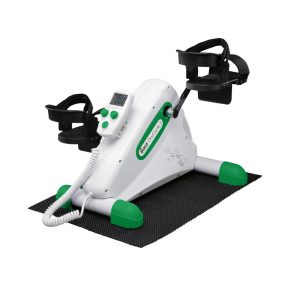
The natural motor of lymphatic circulation is the rhythmic contraction of the muscles. This is why exercise is the most natural and least expensive way to reduce lymphoedema. If walking outdoors is difficult, a pedal exerciser or exercise bike (with adjustable resistance and suitable for use while seated) can help you gently move your arm and leg muscles regularly at home. Important: always exercise while wearing compression garments, as this is much more effective than exercise alone.
 The combination is key – no single method is enough on its own
The essence of lymphoedema treatment is that the methods reinforce one another. Bandaging alone brings only limited improvement; diet and weight reduction add to the effect, as does regular lymphatic exercise, while mechanical lymphatic drainage contributes the most. But lasting results come only from using them together. The more methods you use in parallel (compression garments + exercise + mechanical and/or electrotherapy lymphatic drainage), the better the swelling can be controlled. Develop the combination with your doctor or lymphoedema therapist.
 For circulation: Bemer technology
Improving blood circulation may also support lymphatic circulation indirectly. A separate technology, Bemer therapy, may be useful for this purpose. It is a unique physical vascular therapy that may support lymphatic circulation by improving the microcirculation, and studies also indicate a possible oedema-reducing effect. It is important to know that Bemer is not the same as conventional magnetotherapy – it is a separate technology and a separate category. Read more about Bemer therapy and how it differs from conventional PEMF here: Bemer therapy and its effects →
 Important information
The diagnosis of lymphoedema and the treatment plan are established by a doctor or lymphoedema therapist. The devices presented here support maintenance treatment and do not replace professional care. Mechanical lymphatic drainage is safe, but medical consultation is essential before use in certain conditions: acute deep vein thrombosis or suspected thrombosis, severe heart failure, or active skin infection (erysipelas, cellulitis). An important lymphoedema-specific point: a diuretic usually does not help with lymphoedema and may even make it worse. Only your doctor can decide whether you should take one, for example in the case of coexisting heart or kidney disease. Heat (sauna, hot baths, sunbathing) increases oedema formation and should therefore be avoided. If you develop new symptoms, skin redness, fever or rapidly increasing swelling, contact a doctor.
 Detailed guides to lymphoedema
Dr. Zsolt Zátrok presents home treatment of lymphoedema in a comprehensive series of articles. About the background, forms and stages of the condition: Lymphoedema: causes, forms and stages →. The complete home treatment protocol (the 4 pillars of complex decongestive therapy, lifestyle and videos): Home treatment of lymphoedema →. About the difference between manual and mechanical lymphatic massage: Lymphatic drainage – manual and mechanical lymphatic massage →. For technical details on choosing a device: Lymphatic massage device – how to choose one →
Frequently asked questions
No – and this is the most important principle of lymphoedema treatment. Mechanical lymphatic drainage is the most effective single method, but it is not enough on its own: compression garments, regular exercise and a suitable lifestyle are essential additions. The methods reinforce one another – the more you use in parallel, the better the swelling can be controlled. The device is therefore an important part of treatment, but not the only one.
Because lymphoedema develops continuously, without stopping – it does not wait for the once-a-year hospital treatment. Hospital treatment is a short, intensive phase that reduces oedema. But during the remaining 360 days of the year, the condition you maintain depends on home maintenance treatment. This is why regular use of home devices (compression garments, exercise and mechanical lymphatic drainage) is key to long-term success.
A diuretic usually does not help with lymphoedema and may even worsen the condition: removing water “concentrates” the lymph, which can make it more difficult to move and, over time, make the oedema harder. Diuretics act on blood circulation, while lymphoedema is located in the tissue spaces. An exception is when you also have heart disease, kidney disease or high blood pressure. In this case, a diuretic may be necessary, but only your doctor can decide this. Do not take a diuretic “just” for lymphoedema.
The pneumatic (cuff-based) lymphatic massage device offers the most for directly reducing oedema, which makes it an obvious tool for lymphoedema treatment. A muscle stimulator is more versatile (it can also provide pain relief and muscle treatment), and may replace a lymphatic massage device in mild oedema. In moderate to severe conditions, the two are most useful together. The choice depends on the severity of the swelling and your needs – it is worth discussing this with your lymphoedema therapist.
The 4-air-chamber models (Power Q-1000 Plus, 2200, 1000 Premium) are suitable for simple home use and maintenance treatment of mild to moderate oedema. With its finer pressure adjustment, the Premium is well suited to long-term daily use. The 6- and 12-air-chamber models (Power Q-8060, 8120) provide a finer, sequential wave-like massage effect, which may be beneficial for more severe oedema or a more intensive protocol. Our device selection guide and your treating doctor can help you choose the right cuff size and model.

